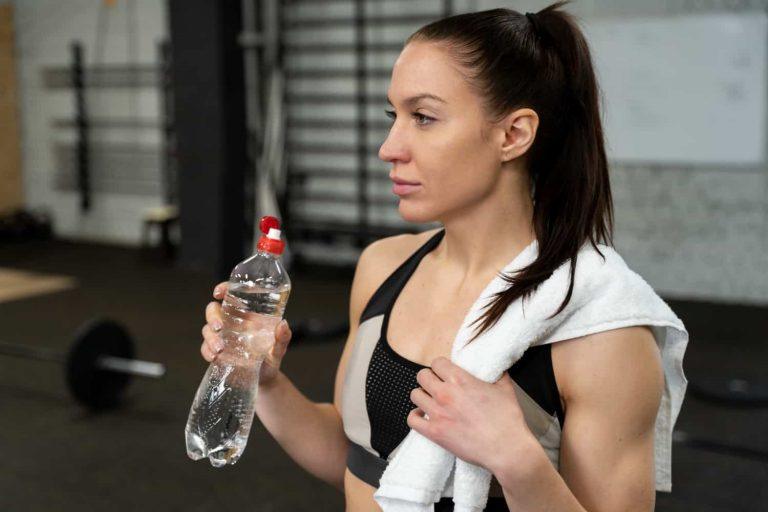

Revitalizing your daily routine often feels like an uphill battle. With the demands of modern life, many individuals experience fatigue, poor circulation, and a general lack of vitality. These issues can lead to decreased productivity and overall dissatisfaction. While many turn to caffeine or quick fixes, a more holistic approach can yield long-lasting results. This is where contrast showers come into play, providing a simple yet powerful method to enhance your circulation and invigorate your body.
Contrast showers involve alternating between hot and cold water, a practice rooted in ancient traditions. This method stimulates blood flow, reduces muscle soreness, and promotes a sense of well-being. The physiological response to temperature changes triggers various health benefits, making it an excellent addition to your wellness routine. The beauty of contrast showers lies in their accessibility; you can easily incorporate them into your daily life without needing special equipment.
Understanding how to implement this practice effectively is crucial. Many people may feel unsure about the mechanics or the optimal way to experience the benefits. This guide will break down the process into manageable steps, ensuring that you can integrate contrast showers seamlessly into your lifestyle. By revitalizing your routine with this technique, you can enhance your overall health and feel more energized throughout your day.
You might wonder how a simple shift in your shower routine can make such a difference. The answer lies in the way your body responds to temperature changes. From improving circulation to boosting your immune system, this guide will delve into the myriad benefits of contrast showers and provide practical applications to help you get started.
Contents
How to Use Temperature Variations for Real Results
- Best Form: Shower
- Best Time: Morning or after a workout
- Expected Result: Increased circulation and energy
For Daily Protection
The preparation for a daily contrast shower is straightforward. Begin by setting your shower to a comfortably warm temperature. Gather a towel nearby to dry off afterwards. You may also want to have a timer handy to keep track of the intervals you will be using. This simple setup allows you to focus solely on the experience without distractions.
Start your contrast shower by entering under the warm water for about three to four minutes. This phase helps to open your blood vessels and allows for enhanced circulation. After this initial period, switch the water to a colder temperature for about 30 seconds. This transition stimulates your body, causing a rush of blood to the surface of your skin.
The sensation during this process can be exhilarating. Expect a tingling feeling as the cold water hits your skin, followed by a warm flush as you return to hot water. The entire experience should last around 10 minutes, leaving you feeling refreshed and invigorated. Pro Tip: Focus on your breathing during the temperature changes to enhance relaxation and mental clarity.
Targeting Acute Pain
When preparing for a contrast shower aimed at alleviating acute pain, you will want to ensure that your water temperature settings are precise. Prepare your shower with warm water that feels soothing to your body. A bath mat can also help provide comfort after stepping out of the shower.
Begin with the warm water for three to five minutes, allowing your muscles to relax and loosen. After this period, switch to cold water for approximately 30 seconds. The cold water works to constrict blood vessels, temporarily reducing inflammation in painful areas.
You may feel a sharp contrast between the warmth and the cold. This sensation can be particularly effective in relieving tension and discomfort. By alternating between hot and cold for about 10 minutes, you will likely experience a reduction in pain and an increase in mobility. Pro Tip: Pay close attention to areas of discomfort and allow the cold water to focus on those specific spots.
The Nighttime Routine
Creating a nighttime contrast shower routine can help signal your body that it is time to wind down. Prepare your shower with warm water that is comfortable but not too hot. Consider dimming the lights in your bathroom to create a calming atmosphere.
Start with warm water for about five minutes. This phase helps to relax your muscles and calm your mind after a long day. Transition to a colder temperature for about 30 seconds. This may feel shocking at first, but it aids in refreshing your circulation as you prepare for sleep.
The sensation of the warm water followed by the cold can be both relaxing and invigorating. After completing the routine, you will feel a sense of calm that can help you drift into a deeper sleep. The entire process should last around 10 to 15 minutes. Pro Tip: To enhance relaxation, consider incorporating calming scents, such as lavender, into your shower routine.
Common Errors to Avoid
Neglecting Temperature Balance
One common mistake people make is not balancing the temperature extremes during their contrast showers. Some may lean too heavily on hot water, which can lead to overheating and dehydration. This can diminish the effectiveness of the practice and lead to feelings of fatigue rather than invigoration.
To remedy this, ensure you are mindful of the time spent in each temperature phase. A balanced approach, where you alternate between hot and cold, can enhance circulation without overwhelming your body. Aim for three to five minutes in the warm phase followed by 30 seconds in the cold phase for optimal results.
Skipping the Cool Down
Another error is skipping the cool-down phase entirely. Some individuals may feel rushed and end up cutting their cold exposure short. This step is crucial for stimulating blood flow and enhancing recovery, particularly after exercise.
To avoid this mistake, commit to at least 30 seconds under the cold water after your warm phase. This duration is essential for maximizing the benefits. Gradually increase the time spent in cold water as you become more accustomed to the practice.
Ignoring Personal Comfort
Many people ignore their comfort levels, thinking they must endure extreme temperatures to reap benefits. This can lead to discomfort and even aversion to the practice. It is essential to listen to your body and find a temperature range that feels invigorating yet manageable.
Start with moderate temperature differences and gradually increase the intensity as your body adapts. The goal is to feel energized, not overwhelmed. Personalizing your experience will help you maintain consistency and enjoy the benefits over time.
The Mechanism Behind Temperature Therapy
The biological mechanism at play during contrast showers is quite fascinating. When exposed to hot water, your blood vessels dilate, allowing increased blood flow to your skin. This process enhances circulation, delivering more oxygen and nutrients to your tissues. The subsequent exposure to cold water causes vasoconstriction, which helps to flush out toxins and reduces inflammation.
Key compounds involved in this response include nitric oxide. This compound is released during the warmth phase, contributing to improved blood flow and enhanced cardiovascular function. The alternating temperatures stimulate your body’s natural healing processes, promoting overall wellness and vitality.
Clinical evidence supports the effectiveness of this practice. Research indicates that contrast therapy can enhance recovery and improve circulation among athletes. For more detailed findings, visit PubMed for studies related to this topic.
Choosing the Right Product
– **Potency:** The strength of your water temperature impacts the effectiveness of your contrast showers. Properly heated water ensures that your body responds optimally to temperature changes.
– **Purity:** Clean water is essential for a healthy shower experience. Contaminated water can lead to skin irritation and negate the benefits of your routine.
– **Form:** While showers are the most common method, you might also consider baths or foot baths. Each form has unique benefits, so choose one that fits your lifestyle best.
Benefits vs Risks
| The Benefits | Potential Downsides |
|---|---|
| Improved circulation | Overheating if water is too hot |
| Enhanced muscle recovery | Discomfort if cold exposure is too extreme |
| Boosted mood and energy | Possible skin irritation for sensitive individuals |
Habits to Enhance Your Routine
Pairing contrast showers with regular exercise can amplify their benefits. Physical activity helps to enhance circulation on its own, making the effects of contrast showers even more pronounced. Engage in activities that you enjoy, such as walking, cycling, or yoga, to complement the benefits.
Incorporating mindfulness practices, such as meditation or deep breathing, can also enhance your overall experience. These practices can help you focus on the sensations during your contrast shower, leading to greater relaxation and stress relief.
Who Should Avoid This?
– Individuals with cardiovascular issues
– Pregnant women
– Those with skin sensitivities or conditions
– People recovering from surgery
– Individuals with temperature regulation disorders
Common Questions
How often should I take contrast showers?
Aim for three to four times a week to experience the best benefits.
Can I use a bath instead?
Yes, you can use a bath to achieve similar effects by alternating between warm and cold water.
Is there a best time of day for this practice?
Morning or after a workout is ideal, as it helps energize and recover your body.
Can children do contrast showers?
Children can participate, but it is essential to monitor the water temperatures closely to ensure safety.
The Final Takeaway
Incorporating contrast showers into your routine can lead to numerous health benefits.
- The Truth: Individual results may vary, and consistency is key.
- The Strategy: Morning showers or post-workout sessions maximize benefits.
- The Next Step: Experiment with various temperatures to find your ideal range.
Get Your FREE Natural Health Guide!
Subscribe now and receive our exclusive ebook packed with natural health tips, practical wellness advice, and easy lifestyle changes, delivered straight to your inbox.