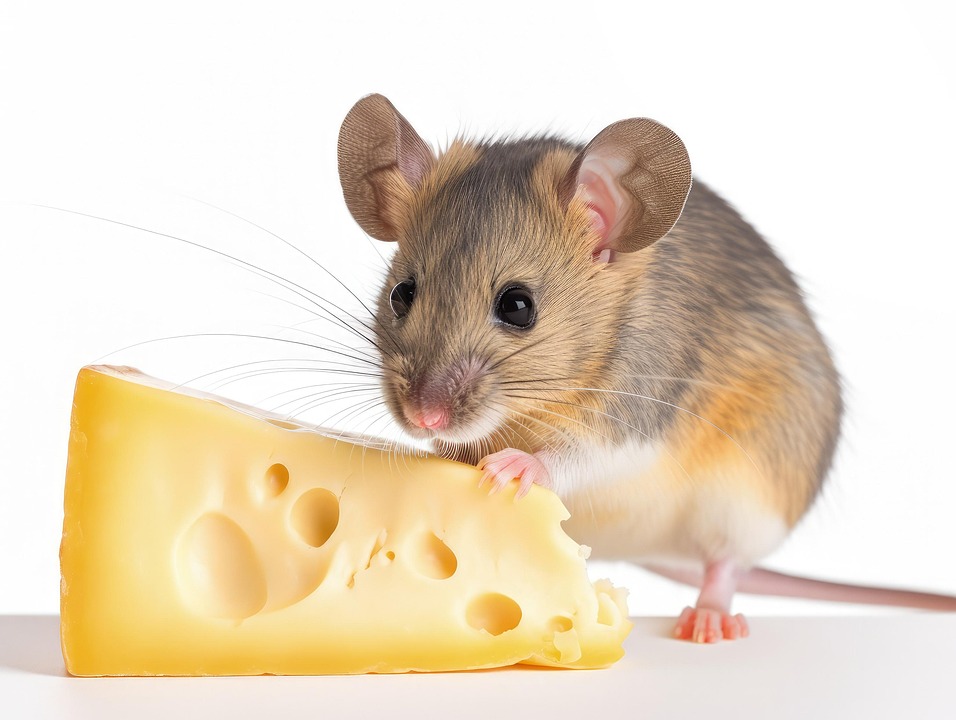

Cheese has long been a staple in many diets around the world, cherished for its rich flavors and versatility. However, beyond its culinary appeal, cheese may hold significant benefits for dental health, particularly in the realm of remineralization. The process of remineralization is crucial for maintaining strong, healthy teeth. It counteracts the effects of demineralization often caused by acidic foods and poor oral hygiene. While many may not immediately connect cheese with dental health, emerging research suggests that cheese can play a vital role in promoting remineralization, ultimately leading to a brighter smile.
The challenge of maintaining dental health is multifaceted. Factors such as diet, oral hygiene, and lifestyle choices all play a role. The enamel, which is the outer protective layer of our teeth, can become weak and eroded over time, leading to cavities and sensitivity. Many individuals seek solutions to strengthen their enamel and combat dental issues, sometimes turning to supplements or specialized dental products. However, incorporating natural foods like cheese into one’s diet offers a delicious and effective alternative.
Understanding how cheese works to support remineralization is essential. Cheese contains specific compounds that can help neutralize acids in the mouth and promote the deposition of essential minerals back into the enamel. This process not only protects against cavities but also enhances overall oral health. By exploring the types of cheese that are most beneficial and how to incorporate them into daily routines, individuals can take proactive steps toward a healthier smile.
The journey to better dental health through cheese is both enjoyable and achievable. With a focus on practical applications, common pitfalls to avoid, and scientific backing, this guide aims to provide comprehensive insights into how cheese can help you achieve optimal oral health while indulging your taste buds.
Contents
How to Use Cheese for Real Results
- Best Form: Aged cheese like cheddar or gouda
- Best Time: After meals
- Expected Result: Enhanced remineralization and reduced cavity risk
For Daily Protection
The Prep: Select a high-quality aged cheese such as aged cheddar or gouda. These varieties are rich in calcium and phosphates, which are essential for enamel health. Have a small serving ready after your meals for optimal effect. Pairing cheese with fresh fruits can enhance the flavor and provide additional vitamins.
The Action: After finishing your meal, take a few small bites of the cheese. Chew slowly to allow the cheese to coat your teeth. This action helps neutralize any acids present in your mouth from the food you just consumed. The calcium and phosphates in the cheese will work to remineralize your teeth.
The Feeling: You may experience a pleasant creaminess as you chew. The sensation of the cheese coating your teeth can feel protective, and the flavors will linger, making it a delightful end to your meal. This routine can last from a few minutes to an hour, providing extended benefits.
Pro Tip: Incorporate cheese into your lunchbox for a convenient and tasty way to protect your teeth throughout the day.
Targeting Acute Sensitivity
The Prep: Choose a soft cheese like brie or ricotta, which is easier to chew and can be soothing for sensitive teeth. Have some honey or fruit preserves on hand for added flavor that can elevate the experience.
The Action: After brushing your teeth, take a small piece of the soft cheese and let it melt in your mouth. This method allows the cheese to coat the sensitive areas of your teeth, providing a temporary barrier against discomfort. The gentle texture will not irritate sensitive gums and can provide immediate relief.
The Feeling: As the cheese melts, you may feel a soothing sensation on your teeth. The richness of the cheese can help mask any discomfort from sensitivity, while the flavors of honey or fruit can enhance your enjoyment.
Pro Tip: Use this method as part of your evening routine to wind down and care for your teeth at the end of the day.
The Nighttime Routine
The Prep: Opt for a strong-flavored cheese such as blue cheese or gorgonzola. These varieties contain beneficial compounds that can help fight bacteria in the mouth. Prepare a small platter with a few slices and some nuts for a satisfying snack before bed.
The Action: Before going to sleep, enjoy a small serving of your chosen cheese. Allow it to sit in your mouth for a few moments, letting it mix with saliva. This will enhance the protective effect and promote remineralization while you sleep.
The Feeling: The unique flavors of the cheese may excite your palate as you wind down for the night. The creamy texture will coat your teeth, providing a protective layer while you sleep, possibly reducing the risk of nighttime acidity.
Pro Tip: Pair this nighttime cheese with a glass of water to help wash away any lingering sugars from earlier meals.
Common Errors to Avoid
Choosing Processed Cheese
Many individuals may gravitate towards processed cheese options due to convenience. However, these products often lack the essential nutrients found in natural cheeses. They may contain additives that can contribute to dental issues rather than prevent them. Opt for natural, aged varieties that are rich in calcium and free from artificial ingredients.
Processed cheeses may also have lower calcium levels, which are crucial for remineralization. By selecting high-quality cheese, individuals can ensure they receive the maximum benefits for their oral health.
Neglecting Oral Hygiene
Some may mistakenly believe that consuming cheese alone can replace good oral hygiene practices. While cheese can support remineralization, it does not eliminate the need for regular brushing and flossing. Neglecting these practices can lead to plaque buildup and decay, counteracting the benefits of cheese.
Incorporating cheese into a balanced oral care routine is essential. Regular brushing with fluoride toothpaste and flossing are necessary to maintain optimal dental health, allowing cheese to act as a supplementary aid.
Ignoring Dietary Balance
Focusing solely on cheese while neglecting other crucial food groups can lead to nutritional imbalances. While cheese is beneficial, a diet rich in fruits, vegetables, and whole grains is vital for overall health.
A diverse diet supports not only oral health but also overall wellness. Ensuring a balanced intake of nutrients can enhance the remineralization process and improve overall body health.
The Biological Mechanism at Work
Cheese plays a crucial role in the remineralization of teeth through its unique composition. The high calcium and phosphate content in cheese helps to replenish minerals lost due to acid exposure. These minerals are vital for the structural integrity of enamel, the outer layer of teeth.
When cheese is consumed, it stimulates saliva production, which is essential for neutralizing acids in the mouth. Saliva contains minerals that contribute to the remineralization process. This natural defense mechanism is enhanced by the presence of cheese, making it a powerful ally in maintaining dental health.
Casein, a protein found in cheese, also aids in remineralization. It forms a protective layer on teeth, preventing further demineralization and promoting the deposition of minerals back into the enamel. This dual action of stimulating saliva and providing essential proteins makes cheese a valuable food for oral health.
Clinical evidence supports these claims. Research has shown that the consumption of cheese can lead to a significant reduction in the prevalence of cavities and erosion. In one study, cheese consumption was linked to an increase in salivary calcium levels, which are crucial for remineralization. For more detailed findings, refer to the published study on PubMed.
Choosing the Right Cheese
- Potency: Look for aged cheeses that are higher in calcium and phosphate. These elements are essential for effective remineralization.
- Purity: Select cheeses that are free from additives and preservatives. Natural options provide the best health benefits.
- Form: Consider the texture and flavor that you enjoy. Different forms, such as hard or soft cheeses, can offer varying benefits for oral health.
Benefits vs Risks
| The Benefits | Potential Downsides |
|---|---|
| Supports remineralization of enamel | High in saturated fats, may not suit all diets |
| Stimulates saliva production | May contribute to weight gain if consumed excessively |
| Offers a delicious way to enhance oral health | Can cause discomfort for those with lactose intolerance |
Healthy Habits for Optimal Results
Incorporating regular dental check-ups into your routine can significantly enhance the benefits of cheese for your oral health. Professional cleanings and examinations help catch potential issues early, ensuring that your teeth remain healthy as you enjoy your cheese.
Maintaining a balanced diet alongside cheese consumption is vital. Pairing cheese with fruits and vegetables can provide additional vitamins and minerals that support overall health, enhancing the remineralization process.
Who Should Avoid This?
– Individuals with lactose intolerance
– Those with a history of heart disease
– People on low-fat diets
– Anyone with specific dietary restrictions or allergies
Common Questions
Can cheese replace fluoride treatments?
While cheese can support remineralization, it should not replace fluoride treatments recommended by dental professionals.
Is all cheese equally beneficial?
Not all cheeses are created equal. Aged cheeses are generally more beneficial for remineralization compared to processed options.
How often should I consume cheese for dental health?
Regular consumption, such as after meals, can be beneficial. Incorporating cheese into daily routines can help maintain enamel health.
Can I eat cheese if I have braces?
Yes, cheese can be a good option for individuals with braces. Just ensure it is cut into manageable pieces to avoid any discomfort.
The Final Takeaway
Cheese can be a delightful and effective addition to your dental health regimen.
- The Truth: Cheese is not a substitute for good oral hygiene.
- The Strategy: Enjoy cheese after meals for maximum benefit.
- The Next Step: Incorporate a variety of cheeses into your diet for diverse flavors and benefits.
Get Your FREE Natural Health Guide!
Subscribe now and receive our exclusive ebook packed with natural health tips, practical wellness advice, and easy lifestyle changes, delivered straight to your inbox.