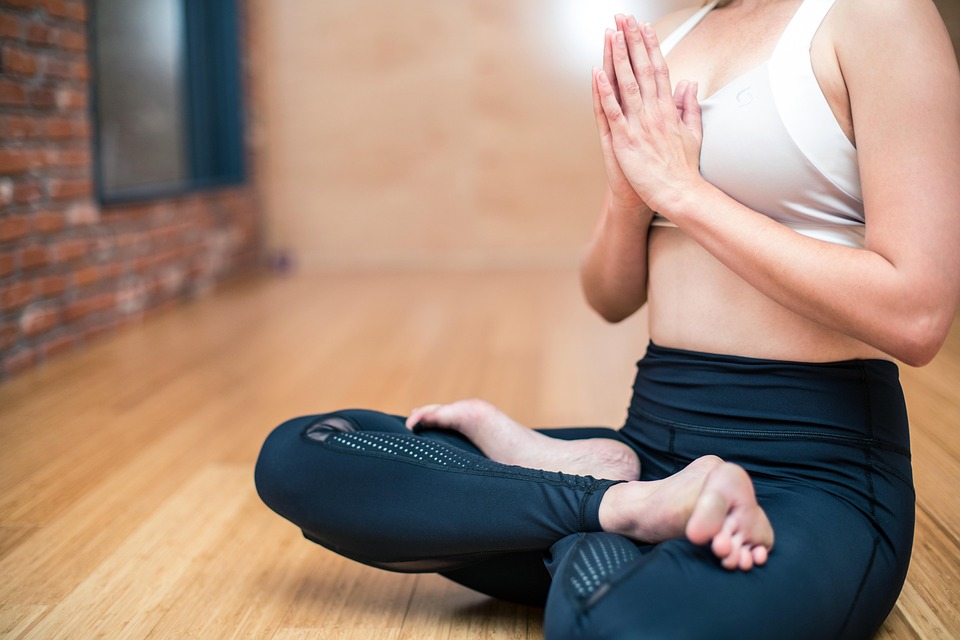

The quest for heightened energy and improved libido often leads individuals down a complex path. Many experience fatigue and low sexual desire, leading to frustration and a sense of disconnect. Traditional solutions may not address the underlying issues, leaving individuals searching for holistic approaches that resonate with both the body and mind. Yoga emerges as a powerful tool in this regard, offering a blend of physical movement, breath control, and mindfulness that can significantly enhance energy levels and sexual vitality.


Yoga is not merely a physical practice; it acts as a bridge between the mind and body. Specific yoga poses can stimulate the pelvic region, enhancing blood flow and energy flow. This is crucial for both energy and libido. By focusing on the pelvic area, individuals can unlock untapped potential, allowing for a more vibrant life experience. This guide will delve into how you can use yoga to elevate your energy and enhance your pelvic libido flow.
The integration of breathwork into yoga practice plays a pivotal role. Controlled breathing techniques, often referred to as pranayama, can energize the body while calming the mind. This balance is essential for those seeking improvements in both energy and sexual health. By synchronizing breath with movement, practitioners can create a dynamic flow that fosters a heightened sense of vitality. Understanding the mechanics behind this practice can empower you to harness its benefits effectively.
As we explore the various aspects of yoga for pelvic libido flow, practical applications will be highlighted. Real-life examples will showcase how specific poses can be incorporated into your daily routine. The intention is to provide actionable insights that can lead to noticeable improvements in energy and sexual vitality. The journey to a more energized and fulfilling life begins with understanding the effectiveness of yoga in promoting pelvic health and overall well-being.
Contents
How to Use Yoga for Real Results
- Best Form: Vinyasa Flow
- Best Time: Morning or early evening
- Expected Result: Increased energy and libido
For Daily Energy Boost
The first step involves setting up a serene environment. Choose a quiet space free from distractions. A yoga mat, comfortable clothing, and a water bottle should be at hand. Lighting candles or using essential oils can enhance the ambiance, promoting relaxation and focus.
Begin the routine with sun salutations. Stand at the front of your mat, inhale as you reach your arms overhead, and exhale as you fold forward. Step back into a plank position, lower down into a chaturanga, and flow into upward-facing dog. This sequence warms up the body, stimulates circulation, and awakens energy.
As you move through the poses, focus on the sensations in your body. Feel the warmth spreading through your limbs and the gentle activation of your core. The practice should leave you invigorated and connected to your body, with heightened awareness of your pelvic area. Pro Tip: Incorporate deep breathing throughout to amplify the energizing effects.
Fostering Intimacy and Connection
Create a calming atmosphere by dimming the lights and playing soft music. Gather props such as bolsters or blankets to enhance comfort. Invite your partner to join you for a shared experience that encourages intimacy.
Begin with seated forward bends, allowing your bodies to relax and connect. Follow this with gentle hip openers such as pigeon pose. These poses promote blood flow to the pelvic area, enhancing sensitivity and awareness. Encourage each other with gentle touch and affirmations.
As you progress, focus on the sensations in your bodies. The warmth and intimacy should foster a deeper connection. This practice can lead to increased sexual desire and fulfillment. Pro Tip: Take time to communicate your feelings and sensations with each other during the practice.
The Evening Wind Down
To prepare for an evening practice, create a space that promotes relaxation. Use dim lighting, and consider incorporating soft pillows and blankets to make the floor inviting. A warm cup of herbal tea can enhance the calming atmosphere.
Start with restorative poses such as legs-up-the-wall. This pose allows for relaxation and rejuvenation of the pelvic region. Follow with gentle stretches targeting the lower back and hips, such as butterfly pose. These poses help release tension accumulated throughout the day.
As you settle into each pose, focus on your breath. Feel the calming energy flowing through your body, promoting relaxation and reducing stress. This practice can lead to improved sleep quality and a refreshed feeling for the next day. Pro Tip: End with a few minutes of meditation to cultivate mindfulness and relaxation.
Common Errors to Avoid
Neglecting Breath Control
A common mistake in yoga practice is ignoring breath control. Many practitioners focus solely on the physical postures without synchronizing their breath. This oversight can lead to reduced effectiveness and an inability to fully engage with the practice. Breath is essential for energy flow and relaxation.
To correct this, make a conscious effort to integrate breath with movement. Inhale deeply as you rise into a pose and exhale fully as you release. This practice will enhance energy levels and deepen your experience.
Skipping Warm-ups
Jumping into advanced poses without proper warm-ups is another frequent error. This can lead to injury and decreased energy flow. A well-structured warm-up prepares the body and enhances performance.
Always begin with gentle stretches and movements to awaken the body. Gradually increase intensity while maintaining awareness of your limits. This approach will ensure a safe and effective practice.
Inconsistent Practice
Inconsistency can hinder progress and energy elevation. Practicing sporadically limits the benefits you can gain from yoga. A regular routine fosters adaptation and enhances both physical and emotional well-being.
To cultivate consistency, set specific days and times for your practice. Consider keeping a journal to track your progress and feelings. This reflection will motivate you to stay engaged and committed.
The Science Behind Energy and Libido
The biological mechanisms at play during yoga involve the activation of the parasympathetic nervous system. This activation promotes relaxation, reducing stress and anxiety levels. Lower stress can lead to improved hormonal balance, which is crucial for libido and energy levels.
Key compounds involved in this process include endorphins and oxytocin. Endorphins are neurotransmitters that alleviate pain and enhance mood. Oxytocin, often referred to as the “love hormone,” promotes bonding and intimacy, both essential for a healthy libido.
Research supports the connection between yoga and improved sexual health. A study published in the Journal of Sexual Medicine found that regular yoga practice positively impacts sexual function and satisfaction. For more detailed insights, refer to this PubMed search.
Choosing the Right Yoga Practice
- Potency: Look for classes that focus on pelvic floor engagement. This ensures that you are strengthening the muscles responsible for libido and energy flow.
- Purity: Choose yoga styles that prioritize mindfulness and breathwork. These elements are crucial for maximizing the benefits of your practice.
- Form: Consider the format of the class. Online sessions, in-person classes, or private sessions can all offer different experiences. Choose what resonates best with your needs.
Benefits and Drawbacks
| The Benefits | Potential Downsides |
|---|---|
| Enhances energy levels and libido | May require time to see significant results |
| Promotes relaxation and stress reduction | Inconsistency can hinder progress |
| Improves pelvic health and awareness | Requires commitment and practice |
Habits to Enhance Your Practice
Incorporating mindfulness into daily life can enhance the benefits of yoga. Practicing meditation or deep breathing exercises can help maintain a relaxed state throughout the day. This will support energy levels and overall well-being.
Regular physical activity outside of yoga can also complement your practice. Engaging in activities that promote circulation and overall fitness can further enhance the benefits of yoga for energy and libido.
Who Should Avoid This?
- Individuals with chronic pain conditions
- Those with severe mobility issues
- Pregnant women without medical clearance
- Individuals recovering from surgery
Common Questions
How often should I practice yoga for energy and libido?
Aim for at least three times a week to notice significant improvements.
Can yoga really improve sexual health?
Yes, many studies suggest that yoga can enhance sexual function and satisfaction.
What types of yoga are best for this purpose?
Styles that incorporate breathwork and pelvic engagement, such as Vinyasa or Hatha, are most beneficial.
Is there a specific time of day that is best for practicing yoga?
Morning or early evening sessions are ideal for maximizing energy and relaxation.
The Bottom Line
Yoga serves as a powerful tool for enhancing energy and libido.
- The Truth: Results may vary based on individual commitment.
- The Strategy: Consistent practice during morning or evening can yield the best outcomes.
- The Next Step: Incorporate mindfulness techniques into your daily routine.
Get Your FREE Natural Health Guide!
Subscribe now and receive our exclusive ebook packed with natural health tips, practical wellness advice, and easy lifestyle changes, delivered straight to your inbox.