
Breathing is an involuntary action that plays a crucial role in our overall well-being. Most individuals are unaware of how the quality of their breathing can significantly impact their health. Poor breathing habits can lead to various health issues, including increased blood pressure. This often overlooked aspect of wellness can be a key factor in managing hypertension effectively. By incorporating deep breathing into daily routines, individuals can experience profound changes in their blood pressure levels and overall health.
The modern world is rife with stressors that can elevate blood pressure. Factors such as work pressure, personal life challenges, and even environmental issues contribute to this rising concern. High blood pressure is often labeled as a silent killer, as it may not present noticeable symptoms until it becomes critical. This makes it imperative to find proactive measures to help manage it. One of the simplest yet most effective methods is through deep breathing exercises.
Deep breathing is more than just a relaxation technique; it serves as a powerful tool for physiological change. By focusing on the breath, individuals can engage their parasympathetic nervous system, promoting relaxation and reducing stress. This not only lowers blood pressure but can also lead to improved mental clarity and emotional stability. Understanding the mechanics behind deep breathing and its benefits can empower individuals to take control of their health.
This guide aims to provide a comprehensive understanding of how deep breathing can help lower blood pressure. It will cover practical applications, common mistakes to avoid, the scientific basis for its effectiveness, and lifestyle integrations that can enhance its benefits. By the end, readers will have a clear roadmap to incorporate deep breathing into their lives for better health outcomes.
Contents
How to Use Deep Breathing for Real Results
- Best Form: Diaphragmatic Breathing
- Best Time: Morning and Before Bed
- Expected Result: Reduced Blood Pressure and Stress Levels
For Daily Protection
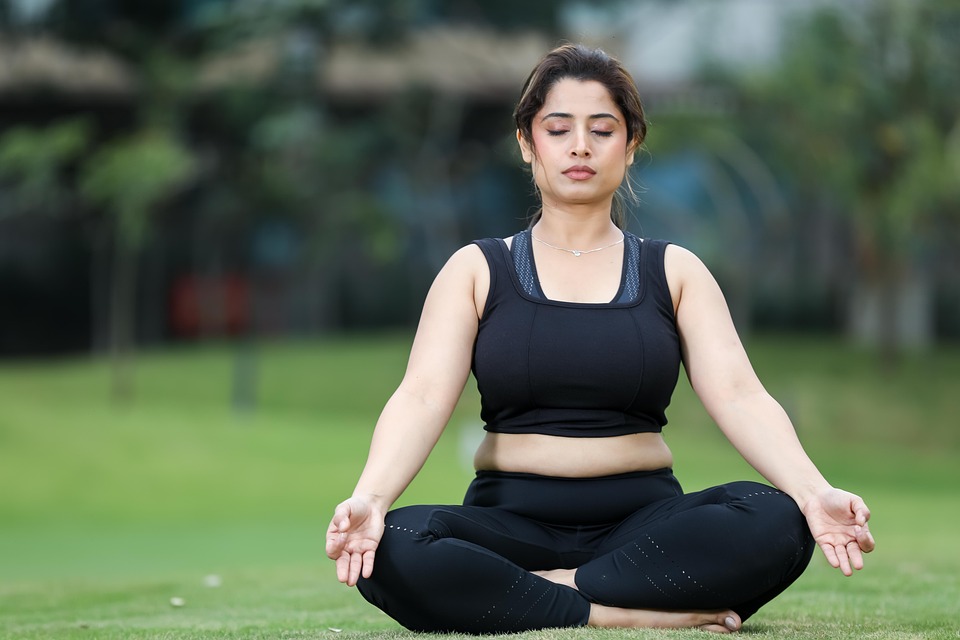
The prep involves finding a quiet space where you can sit or lie down comfortably. You do not need any special equipment, but a yoga mat or a comfortable chair can enhance your experience. Ensure that you are wearing loose clothing to allow for full expansion of the diaphragm. Set a timer for 5 to 10 minutes to keep your practice consistent without distractions.
The action begins by closing your eyes and taking a moment to center yourself. Inhale deeply through your nose for a count of four, allowing your abdomen to expand fully. Hold your breath for a moment, then exhale slowly through your mouth for a count of six. Repeat this process for the duration of your timer, focusing on the rhythm of your breath.
The feeling of deep breathing is often accompanied by a sense of warmth and relaxation. As you continue, you may notice a tingling sensation in your fingertips or a cooling effect in your chest. This practice helps to ground you, allowing any tension to melt away gradually.
Pro Tip: Consistency is key. Aim to practice this technique daily for optimal results.
Targeting Acute Stress
The prep involves identifying a moment of acute stress, whether it is during a busy workday or a challenging personal situation. Create a calming environment by stepping outside or finding a quiet room. You may want to have a glass of water nearby to hydrate afterward.
The action focuses on the 4-7-8 technique. Inhale quietly through your nose for a count of four. Hold your breath for a count of seven. Exhale completely through your mouth, making a whoosh sound for a count of eight. Repeat this cycle four times, concentrating on the release of tension with each exhale.
The feeling during this exercise can be intensely grounding. Many individuals report a significant drop in heart rate and a soothing effect on their nervous system. As you exhale, visualize stress leaving your body, replaced by calm and clarity.
Pro Tip: Use this technique whenever you feel overwhelmed to regain control.
The Nighttime Routine
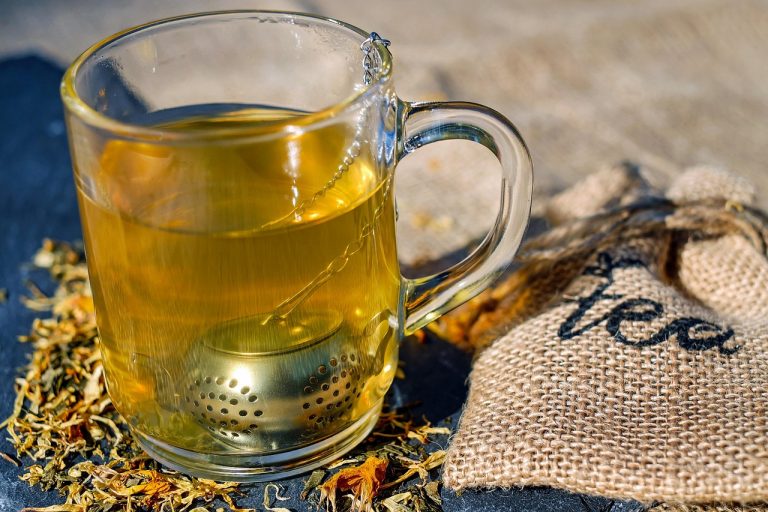
The prep includes setting the stage for sleep by dimming the lights in your bedroom and eliminating any electronic distractions. Consider having a warm cup of herbal tea to enhance relaxation.
The action involves a simple yet effective breathing pattern. Lie down comfortably on your back. Place one hand on your chest and the other on your abdomen. Inhale deeply through your nose for a count of five, feeling your abdomen rise. Exhale slowly through your mouth for a count of eight. Continue this pattern for 10 minutes, allowing your body to relax further with each cycle.
The feeling of this routine can be incredibly calming. Many people experience a gradual release of tension in their muscles and a sense of drowsiness. This helps to prepare the body for sleep, often leading to improved sleep quality and duration.
Pro Tip: Practice this routine nightly to condition your body for sleep.
Common Breathing Mistakes to Avoid
Not Engaging the Diaphragm
Many individuals breathe shallowly, using only the upper part of their lungs. This habit can lead to increased stress and higher blood pressure levels. To correct this, focus on diaphragmatic breathing, where your abdomen expands rather than your chest.
To engage your diaphragm, practice lying down with one hand on your chest and the other on your abdomen. As you breathe in deeply, ensure that only your abdomen rises. This technique encourages fuller breaths and enhances oxygen exchange in the body, promoting relaxation.
Inconsistent Practice
Infrequent practice of deep breathing can limit its effectiveness. Like any skill, consistency is essential for reaping the full benefits. Individuals may start with enthusiasm but often fall back into old habits.
To combat this, establish a daily routine where deep breathing becomes a non-negotiable part of your day. Set reminders on your phone or integrate it into existing habits, such as during your morning coffee or before bed. Over time, this will become a natural part of your life, leading to long-term benefits.
Rushing the Process
Many people approach deep breathing with a sense of urgency, trying to force relaxation. This can create additional stress and counteract the benefits of the exercise. It is essential to allow yourself the time to breathe deeply without pressure.
Focus on creating a calming atmosphere before beginning your practice. Take a few moments to settle into your space and clear your mind. Embrace the process and allow each breath to flow naturally. With patience, you will find it easier to relax and experience the benefits of deep breathing.
The Science Behind Deep Breathing
Biologically, deep breathing activates the parasympathetic nervous system, which is responsible for the body’s rest and digest functions. This activation counteracts the stress response regulated by the sympathetic nervous system. As a result, heart rate and blood pressure decrease, promoting a state of relaxation.
The key compound involved in this process is nitric oxide, which is released during deep breathing. Nitric oxide helps dilate blood vessels, improving blood flow and reducing blood pressure. This compound is crucial for cardiovascular health, as it supports optimal circulation throughout the body.
Clinical evidence supports the effectiveness of deep breathing in lowering blood pressure. A study published in the Journal of Clinical Hypertension demonstrated that participants who practiced deep breathing techniques experienced significant reductions in systolic and diastolic blood pressure. For further details, refer to this PubMed search.
Choosing the Right Approach
- Potency: Ensure that the breathing technique you choose effectively engages the diaphragm for maximum benefits.
- Purity: Focus on techniques that are free from distractions and promote a calming environment.
- Form: Experiment with various methods, such as guided sessions or apps, to find what resonates best with you.
Benefits vs Risks
| The Benefits | Potential Downsides |
|---|---|
| Reduces stress and anxiety. | May cause dizziness if done improperly. |
| Improves blood pressure levels. | Requires consistent practice to see results. |
| Enhances mental clarity. | May not be effective for everyone. |
Habits for Enhanced Benefits
Incorporating regular physical activity into your routine can amplify the benefits of deep breathing. Exercise promotes overall cardiovascular health, which complements the relaxation achieved through breathwork.
Mindfulness practices such as meditation can also enhance the effects of deep breathing. By combining these techniques, individuals can create a holistic approach to managing stress and blood pressure.
Who Should Avoid This?
– Individuals with severe respiratory conditions such as COPD or asthma.
– Those experiencing acute panic attacks may find deep breathing overwhelming.
– Pregnant women should consult a healthcare provider before starting any new breathing techniques.
Common Questions
How quickly can I see results from deep breathing?
Results can vary, but many individuals experience immediate relaxation and reduced stress levels after just one session.
Is deep breathing safe for everyone?
Yes, deep breathing is generally safe for most people. However, those with specific health conditions should consult a healthcare provider.
Can deep breathing replace medication for hypertension?
While deep breathing can significantly help manage blood pressure, it should not replace prescribed medication without consulting a healthcare provider.
How long should I practice deep breathing each day?
Aim for at least 5 to 10 minutes daily. Consistency is key to experiencing the full benefits.
The Bottom Line
Deep breathing offers a simple yet effective way to manage blood pressure and enhance overall well-being.
- The Truth: Deep breathing may not be a complete solution for hypertension but serves as a valuable tool.
- The Strategy: Incorporate deep breathing into your daily routine for lasting benefits.
- The Next Step: Consider pairing it with other wellness practices for optimal health.
Get Your FREE Natural Health Guide!
Subscribe now and receive our exclusive ebook packed with natural health tips, practical wellness advice, and easy lifestyle changes, delivered straight to your inbox.