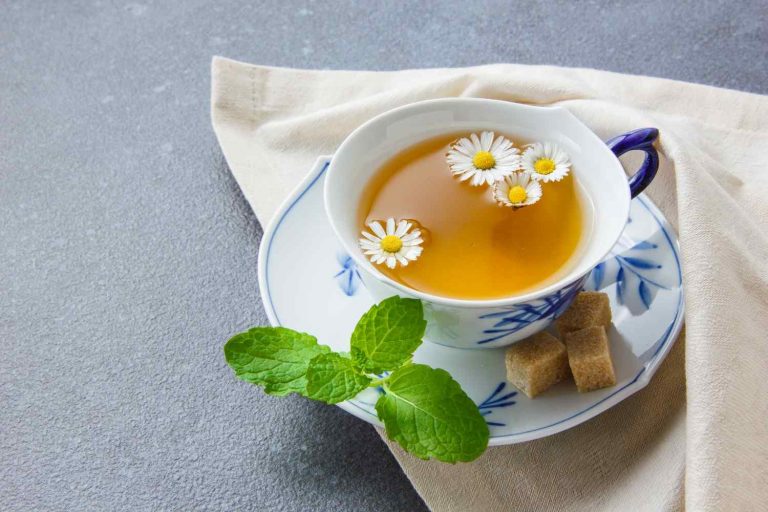

Many individuals find themselves struggling with insomnia and anxiety, leading to restless nights and fatigue during the day. The quest for a natural remedy often leads to various solutions, yet many overlook the potential of herbal teas. Peppermint tea is a delightful option that not only soothes the senses but also promotes relaxation and sleep readiness.

This fragrant herbal infusion has become a staple in many households, offering a comforting way to wind down. The calming properties of peppermint can help alleviate stress and tension, making it an ideal choice for those seeking better sleep. As a caffeine-free beverage, it fits seamlessly into nighttime routines, allowing for a peaceful transition from day to night.
Understanding the nuances of peppermint tea can elevate its benefits, ensuring you maximize its sleep-inducing properties. From preparation to consumption, there’s a wealth of knowledge that can guide you in making peppermint tea a nightly ritual. By implementing this simple yet effective strategy, you can enhance your sleep quality and overall wellness.
Let’s explore how to effectively incorporate peppermint tea into your nightly routine, along with the science behind its soothing effects, and the practical steps to avoid common pitfalls.
Contents
How to Use Peppermint Tea for Real Results
- Best Form: Loose leaf or tea bags.
- Best Time: 30 minutes before bedtime.
- Expected Result: Enhanced relaxation and improved sleep quality.
The Nighttime Routine
To prepare a soothing cup of peppermint tea, gather high-quality dried peppermint leaves or tea bags. Boil fresh water and allow it to cool slightly to around 200°F. Measure about one teaspoon of dried leaves per cup or use one tea bag. This ensures that the infusion is flavorful and potent.
Pour the hot water over the leaves or tea bag in a cup. Allow it to steep for 5 to 7 minutes, depending on your taste preference. Strain the leaves if using loose leaf tea. The aroma will begin to fill the air, inviting a sense of calm.
As you sip the tea, notice the cooling sensation that peppermint brings. It can create a tingling feeling on your palate and throat that lasts for several minutes. This refreshing experience can help signal your body that it is time to unwind.
Pro Tip: Consider adding a splash of honey for sweetness or a slice of lemon for added flavor, both of which can enhance the soothing experience.
For Stress Relief
Begin by preparing your space for relaxation. Gather your peppermint tea ingredients and find a quiet area where you can sit comfortably. This sets the stage for a calming experience. Boil water and measure out your peppermint leaves or tea bags as before.
As the tea steeps, take a moment to practice deep breathing. Inhale deeply through your nose and exhale slowly through your mouth. This practice enhances the calming effects of the tea. After steeping, enjoy your tea in a serene environment, perhaps with soft music playing in the background.
While sipping, pay attention to the sensations within your body. The initial warmth of the tea can spread relaxation throughout your muscles, easing tension. It may take about 15 to 30 minutes for the full effect to manifest, allowing you to feel a gentle wave of tranquility wash over you.
Pro Tip: Use this time to reflect on positive thoughts or engage in light journaling to further promote relaxation.
After a Long Day
To wind down after a hectic day, make peppermint tea your go-to beverage. Start by boiling water and preparing your tea as previously described. Consider using a larger teapot if you plan to share or enjoy multiple cups.
As you pour the hot water over the tea, take a moment to reflect on the day. Allow the tea to steep for 7 minutes for a robust flavor. Pour yourself a cup and settle into a cozy spot, perhaps with a blanket or favorite chair.
Sipping on the tea can provide immediate comfort, with the coolness of peppermint soothing your throat. As the warmth radiates through your body, you may begin to feel drowsy. This sensation can last for about an hour, making it an ideal companion as you prepare for sleep.
Pro Tip: Pair your tea with a calming bedtime story or meditation to enhance the relaxation process.
Common Mistakes to Avoid
Using Low Quality Herbs
Many people overlook the quality of the herbs they use, opting for cheaper, lower-grade products. Low quality peppermint can lack the essential oils and compounds that contribute to its soothing effects. This can lead to a less effective tea.
To maximize the benefits of peppermint tea, invest in high-quality, organic peppermint leaves. Look for reputable brands that provide information about their sourcing and production methods. This ensures you receive the full spectrum of benefits that high-quality peppermint can offer.
Oversteeping the Tea
Leaving peppermint tea to steep for too long can result in a bitter taste and diminished benefits. Oversteeping can also lead to gastrointestinal discomfort for some individuals. It’s crucial to stick to the recommended steeping time of 5 to 7 minutes.
To avoid this mistake, set a timer when preparing your tea. This simple step helps ensure that you enjoy the optimal flavor and soothing properties of peppermint without the drawbacks of oversteeping.
Ignoring Personal Sensitivities
While peppermint tea is generally safe for most individuals, some may experience sensitivities or adverse reactions. Ignoring personal sensitivities can lead to discomfort or even digestive issues. It is vital to pay attention to how your body responds.
If you notice any adverse reactions after consuming peppermint tea, consider reducing the amount or frequency of consumption. Consulting with a healthcare professional can provide personalized guidance tailored to your specific needs.
The Science Behind Peppermint’s Soothing Effects
Peppermint tea offers a unique combination of compounds that contribute to its relaxing properties. The primary biological mechanism involves menthol, which interacts with the body’s sensory receptors. This interaction can produce a cooling sensation that promotes relaxation and reduces stress levels.
The key compound in peppermint is menthol, known for its calming effects on the nervous system. Menthol acts as a natural muscle relaxant, helping to ease tension and promote a sense of calm. This compound plays a significant role in why many individuals find comfort in peppermint tea.
For further reading on the benefits of peppermint, you can visit this PubMed search for peppermint and sleep. This resource provides clinical evidence that supports the use of peppermint tea for relaxation and sleep enhancement.
Choosing the Right Product
- Potency: The strength of the peppermint tea affects its efficacy. A higher potency can lead to more pronounced calming effects.
- Purity: Look for products free from additives or artificial flavors. Pure peppermint ensures you receive the maximum health benefits.
- Form: Loose leaf often provides a richer flavor and aroma compared to tea bags. The form can influence your overall experience.
Benefits vs Risks
| The Benefits | Potential Downsides |
|---|---|
| Promotes relaxation and reduces anxiety. | May cause digestive issues in sensitive individuals. |
| Caffeine-free and safe for nighttime consumption. | Quality can vary significantly among brands. |
| Rich in antioxidants that support overall health. | Overconsumption may lead to heartburn in some users. |
Habits to Enhance Sleep Quality
Incorporating a consistent bedtime routine can significantly improve sleep quality. Aim to go to bed and wake up at the same time every day. This helps regulate your body’s internal clock, making it easier to fall asleep.
Engaging in relaxation techniques, such as deep breathing or gentle yoga before bedtime, can also enhance the calming effects of peppermint tea. These practices help prepare both the mind and body for restful sleep.
Who Should Avoid This?
- Individuals with gastroesophageal reflux disease (GERD).
- Those allergic to mint or related plants.
- Pregnant women should consult a healthcare professional before consumption.
Common Questions
Can I drink peppermint tea every night?
Yes, peppermint tea can be consumed nightly, as it is caffeine-free and soothing.
How long does it take for peppermint tea to work?
Many people experience calming effects within 15 to 30 minutes of consumption.
Is peppermint tea safe for children?
Generally, peppermint tea is safe for children, but it is best to consult a pediatrician for specific recommendations.
Can peppermint tea help with headaches?
Some individuals find relief from tension headaches through the relaxing effects of peppermint tea.
The Final Thoughts
Integrating peppermint tea into your nightly routine can be a simple yet effective strategy for enhancing sleep quality.
- The Truth: While peppermint tea can aid relaxation, it is not a substitute for medical treatments.
- The Strategy: Consume it about 30 minutes before bed for optimal benefits.
- The Next Step: Create a calming pre-sleep environment to complement your tea ritual.
Get Your FREE Natural Health Guide!
Subscribe now and receive our exclusive ebook packed with natural health tips, practical wellness advice, and easy lifestyle changes, delivered straight to your inbox.