
Moringa has garnered attention for its numerous health benefits, particularly in skin care. Acne is a prevalent issue that affects many individuals, leading to self-consciousness and frustration. Traditional treatments often come with side effects, prompting a search for natural alternatives. Moringa, a nutrient-rich plant, offers a promising solution for those battling acne. This guide will delve into the specifics of using a moringa face mask to combat acne effectively.
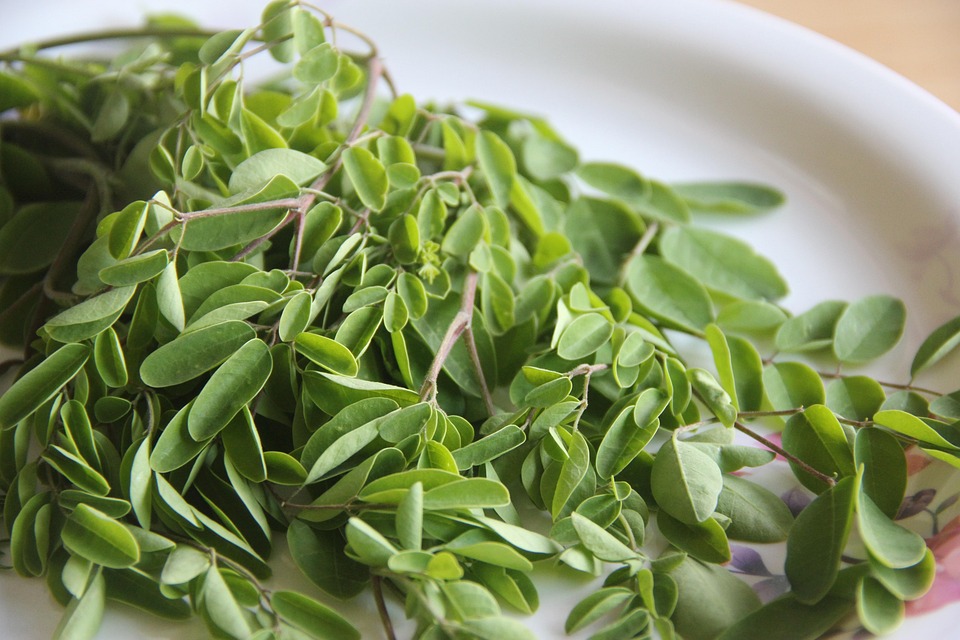
Moringa is packed with vitamins, minerals, and antioxidants. These compounds work synergistically to promote skin health. The anti-inflammatory properties of moringa can reduce redness and swelling associated with acne. Additionally, its antibacterial qualities help to prevent the growth of acne-causing bacteria. This makes moringa not just a treatment but a holistic approach to achieving clearer skin.
Understanding how to best utilize moringa in your skincare routine can lead to significant improvements. The right application techniques, combined with the natural benefits of moringa, create a powerful ally against acne. This guide will provide practical steps, common mistakes to avoid, and the science behind why moringa is effective for acne treatment.
Transitioning to a natural skincare regimen can be daunting. However, with the right knowledge and techniques, incorporating a moringa face mask into your routine can provide visible results. This exploration of moringa as a natural skin solution aims to empower you with the tools necessary for healthier, clearer skin.
Contents
How to Use Moringa for Real Results
- Best Form: Powdered moringa leaf
- Best Time: Evening application
- Expected Result: Reduced acne and improved skin texture
For Daily Protection
The Prep: Begin by gathering the necessary ingredients. You will need two tablespoons of moringa powder, one tablespoon of honey, and a teaspoon of lemon juice. Ensure that you have a clean bowl and a mixing utensil. This combination leverages the antibacterial properties of honey and the brightening effect of lemon.
The Action: Mix the moringa powder, honey, and lemon juice until you achieve a smooth paste. Apply an even layer to your cleansed face, avoiding the eye area. Let it sit for 15 to 20 minutes. Rinse with lukewarm water, gently massaging your skin as you do so.
The Feeling: Upon application, you may experience a slight tingling sensation due to the lemon juice. This feeling is normal and should subside as the mask dries. Expect your skin to feel refreshed and slightly tighter after rinsing.
Pro Tip: Use this mask daily for best results, especially if you have oily skin.
Targeting Acute Breakouts
The Prep: For this targeted treatment, you will need one tablespoon of moringa powder and a few drops of tea tree oil. Tea tree oil is known for its potent antibacterial properties, making it an excellent addition for spot treatment.
The Action: In a small bowl, combine the moringa powder with tea tree oil until you form a thick paste. Apply this mixture directly onto the affected areas. Leave it on for 10 to 15 minutes before rinsing with cool water.
The Feeling: You may notice a cooling effect from the tea tree oil, which can help soothe inflamed skin. After rinsing, your skin should feel calmer, and any redness may diminish.
Pro Tip: This mask can be used as needed, but avoid overusing it to prevent irritation.
The Nighttime Routine
The Prep: For an overnight treatment, gather two tablespoons of moringa powder, one tablespoon of yogurt, and a teaspoon of honey. Yogurt contains lactic acid, which helps exfoliate and soften the skin.
The Action: Mix the moringa powder, yogurt, and honey until you have a creamy consistency. Apply this mask evenly across your face, focusing on areas prone to acne. Leave it on overnight and rinse off in the morning.
The Feeling: Initially, the mask may feel cool and soothing. As it sets, you might notice it drying slightly. In the morning, your skin should feel hydrated and revitalized.
Pro Tip: This mask is ideal for overnight use, especially if you have dry or combination skin.
Avoiding Common Errors
Using Low Quality Ingredients
Utilizing low-quality moringa or other ingredients can compromise the effectiveness of your face mask. Poor quality products may contain fillers or contaminants that can irritate the skin or lead to adverse reactions. Always opt for organic and reputable sources for your moringa powder and additional ingredients.
To ensure quality, read labels carefully. Look for certifications and reviews from users. Investing in high-quality ingredients will enhance the benefits of your face mask and minimize the risk of irritation or breakouts.
Ignoring Skin Sensitivities
Many individuals overlook their unique skin types and sensitivities when applying new treatments. Moringa is generally safe, but some people may have allergic reactions to certain components, such as lemon juice or tea tree oil. Conducting a patch test is essential before applying any new mask to your face.
Apply a small amount of the mixture to a discreet area of skin and wait 24 hours. If no adverse reactions occur, you can proceed with the full application. This simple step can save you from potential irritation or breakouts.
Overusing the Mask
While moringa masks can be beneficial, overuse can lead to skin irritation or dryness. It is crucial to establish a balanced routine that allows your skin to recuperate. Using the mask too frequently may disrupt the skin’s natural oils and lead to further breakouts.
Stick to a schedule that works for your skin type. For oily skin, daily use may be appropriate, while dry or sensitive skin types may benefit from using it two to three times a week. Listen to your skin and adjust accordingly.
The Science Behind Moringa
The biological mechanism of moringa in treating acne lies in its rich composition. Moringa leaves contain a plethora of vitamins, including vitamins A, C, and E. These vitamins play a crucial role in promoting skin health by providing antioxidant protection and supporting skin repair processes. The anti-inflammatory properties of moringa help to reduce redness and swelling, common symptoms of acne.
One of the key compounds in moringa is benzyl isothiocyanate. This compound possesses strong antibacterial properties, which can effectively inhibit the growth of acne-causing bacteria. By targeting these bacteria, moringa helps to prevent the formation of new breakouts while calming existing inflammation.
Clinical studies have supported the use of moringa for skin health, demonstrating its efficacy in reducing acne lesions and improving overall skin appearance. For more detailed information on its benefits, you can explore published studies through PubMed.
Choosing the Right Product
– **Potency:** The concentration of active compounds in moringa is crucial for effectiveness. Higher potency ensures that you receive maximum benefits for your skin.
-
Purity: Look for products that are free from additives and fillers. Pure moringa ensures that you are applying only the beneficial components to your skin.
-
Form: Moringa is available in various forms, including powder, oil, and capsules. For face masks, powdered moringa is the most effective. It allows for easy mixing with other ingredients for customized treatments.
Benefits vs Risks
| The Benefits | Potential Downsides |
|---|---|
| Nutrient-rich and antioxidant properties promote skin health. | Possible allergic reactions in sensitive individuals. |
| Reduces inflammation and redness associated with acne. | Overuse may lead to skin irritation. |
| Natural antibacterial properties help prevent breakouts. | Quality may vary between products. |
Habits for Enhanced Results
Incorporating a balanced diet rich in vitamins and antioxidants can complement the effects of moringa. Foods high in omega-3 fatty acids, such as salmon and walnuts, can help reduce inflammation in the body, further supporting skin health.
Regular hydration is also crucial. Drinking sufficient water helps maintain skin elasticity and flushes out toxins, which can contribute to clearer skin. Aim for at least eight glasses of water daily for optimal hydration.
Who Should Avoid This?
– Individuals with known allergies to moringa or related plants.
– Those with sensitive skin prone to reactions from essential oils.
– Pregnant or breastfeeding women should consult with a healthcare provider before use.
Common Questions
Can I use moringa face masks if I have sensitive skin?
Yes, but it is essential to conduct a patch test first to ensure no allergic reactions occur.
How often should I apply a moringa mask?
For oily skin, daily use is beneficial, while dry or sensitive skin types may prefer two to three times a week.
Is it safe to combine moringa with other skincare products?
Yes, but ensure compatibility. Avoid mixing with harsh ingredients that may irritate the skin.
Can moringa help with scars from previous acne?
Moringa has properties that aid in skin healing, which may help improve the appearance of acne scars over time.
Final Thoughts
Moringa offers a natural and effective approach to managing acne.
- The Truth: Results may vary based on individual skin types.
- The Strategy: Use the mask consistently for the best outcomes.
- The Next Step: Incorporate hydration and a balanced diet into your routine.
Get Your FREE Natural Health Guide!
Subscribe now and receive our exclusive ebook packed with natural health tips, practical wellness advice, and easy lifestyle changes, delivered straight to your inbox.