
Revitalizing your skin can feel like an uphill battle, especially when faced with dryness, dullness, or signs of aging. Many people turn to commercial products packed with chemicals, hoping for miraculous results. Unfortunately, these often fall short and can even worsen skin issues. A natural approach using simple, nourishing ingredients can be a game-changer for your skincare routine. Among these ingredients, avocado stands out due to its rich nutritional profile and hydrating properties.
Avocados are not just a delicious addition to your meals; they are also packed with vitamins, healthy fats, and antioxidants that can help restore your skin’s vitality. The creamy texture of avocados makes them an ideal base for a hydrating mask. This mask can help combat dryness, soothe irritation, and give your skin a healthy glow. Understanding how to effectively use an avocado mask can lead to real, tangible results in your skincare journey.
The process of making and applying an avocado mask is straightforward yet highly effective. The right preparation and application techniques can significantly enhance the benefits, allowing your skin to absorb all the nutrients it offers. This guide will walk you through the practical steps of using an avocado mask, common mistakes to avoid, and the science behind its effectiveness.
By the end of this guide, you will have a solid understanding of how to integrate an avocado mask into your skincare routine and how it can contribute to healthier, more hydrated skin. Let’s dive into the details of revitalizing your skin with this natural treatment.
Contents
How to Use Avocado for Real Results
- Best Form: Fresh avocado pulp
- Best Time: Once a week
- Expected Result: Deep hydration and improved skin texture
For Daily Protection
The first step in creating your avocado mask involves selecting a ripe avocado. Look for one that yields slightly to pressure. You will need one ripe avocado, a tablespoon of honey, and a teaspoon of olive oil. Start by cutting the avocado in half, removing the pit, and scooping the flesh into a mixing bowl. Mash the avocado until it reaches a smooth consistency.
Incorporate the honey and olive oil. Honey adds moisture and has antibacterial properties, while olive oil enhances hydration. Mix thoroughly until you achieve a creamy texture.
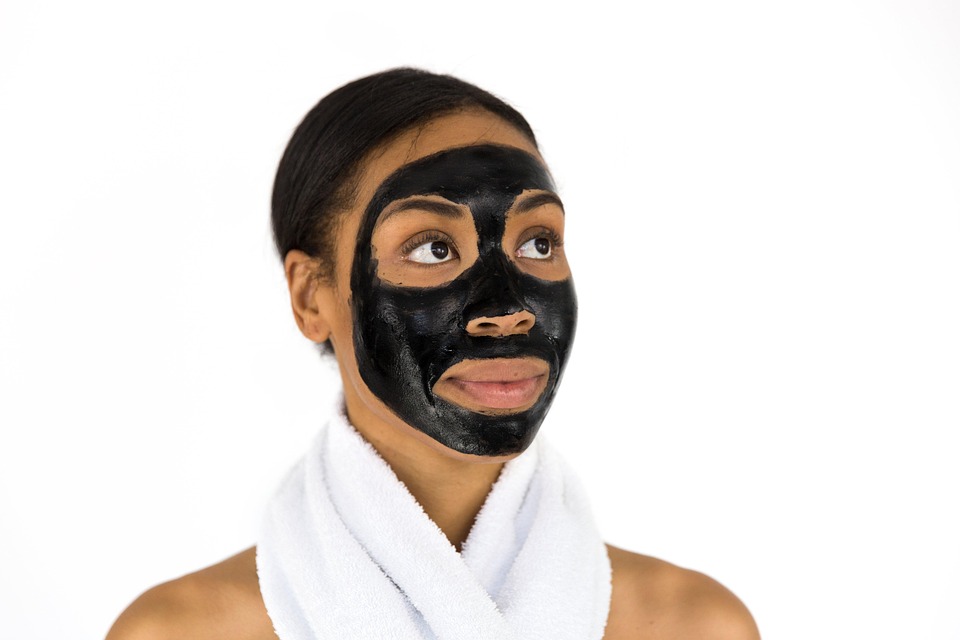
Once your mask is ready, apply it generously to clean, dry skin. Use your fingertips to massage it in, ensuring even coverage. You may experience a soothing sensation as the mask sits on your skin. Allow it to remain for about 15 to 20 minutes before rinsing it off with lukewarm water.
Pro Tip: For added benefits, consider refrigerating your mask for a few minutes before application. The cooling effect can enhance the soothing experience.
Targeting Dullness
To combat dull skin, you can enhance your avocado mask with additional ingredients. For this version, use one ripe avocado, a tablespoon of lemon juice, and a tablespoon of yogurt. The lemon juice brightens the skin, while yogurt contains lactic acid, which helps exfoliate and hydrate.
Begin by mashing the avocado in a bowl. Add lemon juice and yogurt, mixing until you achieve a smooth consistency. The fresh scent of lemon can also uplift your mood during application.
Apply this mixture to your face and neck with gentle, circular motions. The mask should feel refreshing and invigorating. Leave it on for 15 to 20 minutes, then rinse with cool water. Your skin will feel rejuvenated, and you may notice an instant glow.
Pro Tip: Always do a patch test with lemon juice first. It can be irritating for sensitive skin.
The Nighttime Routine
For a nighttime treatment, combine one ripe avocado, two tablespoons of coconut oil, and a teaspoon of vitamin E oil. Coconut oil is known for its deep moisturizing properties, while vitamin E helps repair and protect the skin.
Start by mashing the avocado and then mix in the coconut oil and vitamin E until well combined. This mask will be richer and more emollient, ideal for overnight hydration.
Apply a generous layer to your face and neck before bedtime. You may feel a slight warmth as the oils penetrate your skin. Leave it on overnight for maximum absorption. In the morning, wash your face with a gentle cleanser. Your skin will feel soft and deeply hydrated.
Pro Tip: If you have oily skin, use this mask sparingly to avoid clogging pores.
Common Errors to Avoid
Using Unripe Avocados
One common mistake is using unripe avocados, which can lead to a gritty texture in your mask. Unripe avocados do not blend well and may not provide the desired moisturizing benefits. Always ensure the avocado is ripe before use. A ripe avocado should feel slightly soft when gently squeezed.
If you find yourself with an unripe avocado, allow it to sit at room temperature for a few days until it softens. This simple step can make all the difference in achieving a smooth and effective mask.
Neglecting Skin Types
Another error is failing to consider your skin type when applying an avocado mask. While avocado is generally beneficial, it may not be suitable for everyone. Those with oily or acne-prone skin should be cautious with the frequency of application, as the rich oils can exacerbate breakouts.
Adjust the ingredients based on your skin type. For oily skin, consider using less avocado and incorporating more exfoliating ingredients. For dry skin, you can add more hydrating components like honey or yogurt.
Overusing the Mask
Many individuals make the mistake of applying the avocado mask too frequently, thinking more is better. Overuse can lead to irritation or clogged pores. It is essential to limit the application to once a week.
Allow your skin time to recover and absorb the nutrients from the mask. Consistency is key, and a balanced approach will yield better long-term results.
The Mechanism Behind the Hydration
Avocado is rich in monounsaturated fats, which play a crucial role in maintaining skin hydration. These healthy fats help strengthen the skin barrier, preventing moisture loss. Additionally, avocados contain vitamins A, D, and E, which are known for their skin-repairing properties.
The key compound in avocado that contributes to its hydrating effects is oleic acid. This fatty acid helps to penetrate the skin’s outer layer, delivering deep moisture. Oleic acid also has anti-inflammatory properties that can soothe irritated skin, making it an excellent choice for various skin concerns.
Clinical studies have shown the benefits of avocado for skin health. Research indicates that topical application of avocado oil can enhance skin hydration and improve elasticity. For more detailed findings, refer to studies available on PubMed at this link.
Choosing the Right Product
– **Potency:** Look for avocado products that contain high concentrations of avocado oil or extract. Higher potency often means more effective results.
– **Purity:** Choose products free from artificial additives and preservatives. Pure formulations are less likely to irritate the skin.
– **Form:** Consider whether you prefer a mask, cream, or oil. The form can influence how the product interacts with your skin.
Benefits vs Risks
| The Benefits | Potential Downsides |
|---|---|
| Deep hydration and nourishment | May not suit oily or acne-prone skin |
| Rich in vitamins and antioxidants | Can cause irritation if overused |
| Natural and chemical-free | Risk of allergic reaction in sensitive individuals |
Habits to Enhance Results
Incorporating a balanced diet rich in fruits, vegetables, and healthy fats can significantly boost your skin’s health. Foods high in antioxidants can combat skin aging and maintain hydration.
Staying hydrated by drinking plenty of water is another essential habit. Proper hydration supports skin elasticity and overall health, enhancing the effects of your avocado mask.
Who Should Avoid This?
– Individuals with known avocado allergies
– Those with highly sensitive skin
– People suffering from acne-prone skin, unless used sparingly
Common Questions
How often should I use an avocado mask?
Using an avocado mask once a week is ideal for optimal hydration without overwhelming your skin.
Can I store leftover avocado mask?
It is best to use the mask fresh. However, if you have leftovers, store them in an airtight container in the refrigerator for up to one day.
Will this mask help with acne?
While avocado has soothing properties, it may not be suitable for oily skin types. Consider using it sparingly if you’re acne-prone.
Can I mix avocado with other ingredients?
Yes, avocado can be combined with various ingredients such as honey, yogurt, or lemon juice to enhance its benefits.
The Bottom Line
Using an avocado mask can significantly improve your skin’s hydration and overall appearance.
- The Truth: Not everyone may see immediate results, and it may take time to notice improvements.
- The Strategy: Incorporate the mask into your weekly routine for best results.
- The Next Step: Consider pairing the mask with a healthy diet and adequate hydration.
Get Your FREE Natural Health Guide!
Subscribe now and receive our exclusive ebook packed with natural health tips, practical wellness advice, and easy lifestyle changes, delivered straight to your inbox.