
Hormonal imbalances can manifest in various ways, such as fatigue, mood swings, and sleep disturbances. These issues often stem from various lifestyle choices, including diet. The food you consume plays a critical role in regulating hormonal health, influencing everything from your energy levels to your emotional well-being. Many people overlook the profound impact of their dietary choices, believing that hormonal balance is solely a matter of medical intervention.

Organic foods present a trustworthy solution to support hormonal health. They are grown without harmful pesticides and synthetic fertilizers, which can disrupt hormonal balance. By focusing on organic options, you can reduce your exposure to these harmful substances, thus promoting a healthier hormonal environment. The shift towards organic eating is not just about avoiding chemicals; it is about nourishing your body with nutrient-dense foods that support overall wellness.
Understanding which organic foods can help balance hormones is essential for making informed choices. Foods rich in phytoestrogens, Omega-3 fatty acids, and antioxidants can play a significant role in hormone regulation. Additionally, these foods help combat oxidative stress and inflammation, both of which can negatively impact hormonal health.
This guide provides detailed insights into how to use organic food choices effectively to restore hormonal balance. It covers practical applications, common mistakes, and the science behind these choices, ensuring you are well-equipped to make informed decisions.
Contents
How to Use Organic Foods for Real Results
- Best Form: Fresh and whole foods
- Best Time: Throughout the day
- Expected Result: Improved hormonal balance
For Daily Protection
The Prep: Select a variety of organic fruits and vegetables rich in phytonutrients. Kale, spinach, and berries are excellent choices. Wash them thoroughly and prepare them in a salad or smoothie.
The Action: Blend leafy greens with a banana, some berries, and a tablespoon of chia seeds. This combination provides essential vitamins and minerals that are crucial for hormone production. Enjoy this smoothie in the morning for optimal absorption.
The Feeling: You will likely experience a refreshing burst of energy shortly after consuming this. The sensation can be invigorating, setting a positive tone for your day.
Pro Tip: Add a scoop of organic protein powder for a more filling breakfast.
For Stress Relief
The Prep: Gather organic adaptogenic herbs like ashwagandha and holy basil. You will also need organic coconut milk for a creamy base.
The Action: Blend the adaptogenic herbs with coconut milk and ice. This drink can serve as a calming afternoon treat. The adaptogens help modulate stress hormones, promoting a sense of calm.
The Feeling: Upon consuming this, you may notice a gradual easing of tension and stress. It often results in a soothing sensation that can last for several hours.
Pro Tip: Drink this in the late afternoon to counteract daily stress.
The Nighttime Routine
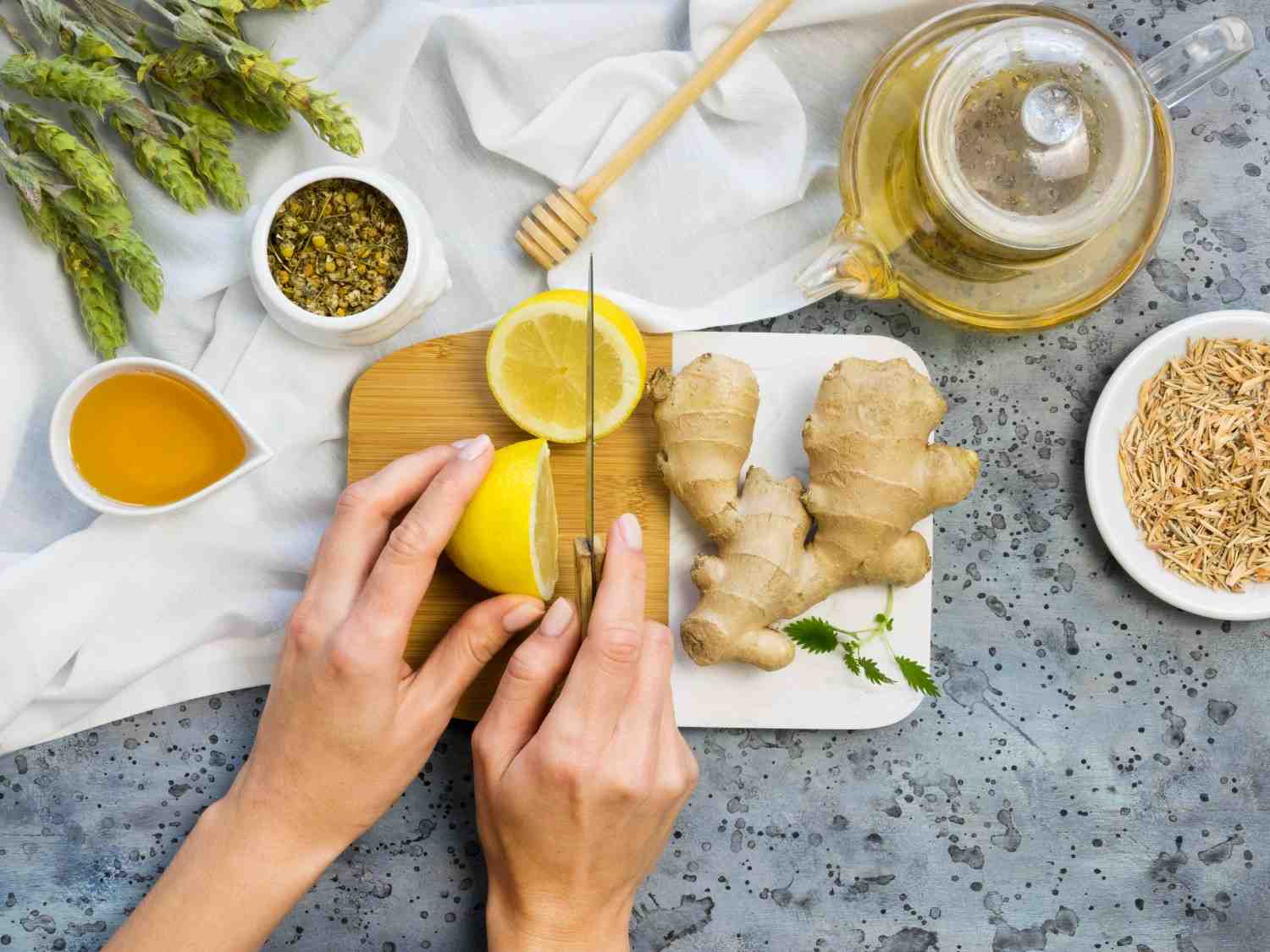
The Prep: Use organic chamomile flowers or tea bags, and prepare some raw organic honey.
The Action: Brew a cup of chamomile tea and sweeten it lightly with honey. This drink can help lower cortisol levels, promoting relaxation and better sleep.
The Feeling: You should feel a warm, calming effect enveloping you as you sip this tea. This soothing sensation prepares your body for a restful night.
Pro Tip: Make this part of your nightly ritual to signal your body that it is time to wind down.
Avoiding Common Pitfalls
Using Low-Quality Ingredients
Many people overlook the importance of ingredient quality when selecting organic foods. Low-quality organic products may not provide the necessary nutrients to support hormonal balance. Always read labels and choose brands that prioritize high-quality ingredients.
To remedy this, invest time in researching brands and local farms known for their commitment to quality. This diligence ensures you get the most benefit from your food choices.
Neglecting Variety
Focusing on a narrow range of organic foods can lead to nutrient deficiencies. Hormonal balance requires a diverse intake of vitamins and minerals.
Incorporate a wide variety of organic fruits, vegetables, whole grains, and proteins into your diet. This diversity ensures that your body receives all the necessary nutrients for optimal hormone function.
Ignoring Food Sensitivities
Some individuals may not realize they have food sensitivities that can disrupt hormonal balance. Common culprits include gluten and dairy. Ignoring these sensitivities can lead to inflammation and hormonal disruptions.
Consider keeping a food diary to identify any adverse reactions. Eliminating trigger foods can significantly improve your hormonal health.
The Biological Mechanisms at Play
Hormones regulate numerous physiological processes within the body, including metabolism, stress response, and reproductive health. The endocrine system orchestrates these hormonal signals, responding to internal and external stimuli. Nutrients from organic foods can influence this system by providing the necessary building blocks for hormone synthesis.
Key compounds found in organic foods, such as Omega-3 fatty acids, play a crucial role in hormone production. These fatty acids are essential for the formation of cell membranes and the synthesis of hormones like estrogen and testosterone. They also help reduce inflammation, which can disrupt hormonal balance.
Research has shown that diets rich in organic fruits and vegetables can significantly impact hormone levels. For more detailed clinical evidence on the importance of nutrition for hormonal health, refer to this PubMed search.
Choosing the Right Organic Products
– **Potency:** Look for foods that are not only organic but also rich in active compounds that promote hormonal balance. Potent foods can provide more significant health benefits.
-
Purity: Ensure that the organic products you choose are free from additives and preservatives. Pure foods are less likely to contain harmful substances that can disrupt hormonal balance.
-
Form: Whole foods are generally more beneficial than processed organic options. Whole foods maintain their natural nutrients and are better suited for hormone health.
Benefits vs Risks
| The Benefits | Potential Downsides |
|---|---|
| Supports hormonal balance through nutrient-rich foods. | Higher cost compared to conventional foods. |
| Reduces exposure to harmful pesticides and chemicals. | Availability may be limited in some areas. |
| Promotes overall wellness and vitality. | Potential for food sensitivities if not carefully selected. |
Healthy Lifestyle Choices
Regular physical activity is vital for maintaining hormonal balance. Engaging in moderate exercise can stimulate hormone production and improve mood. Aim for at least 30 minutes of physical activity most days of the week.
Mindfulness practices such as meditation can significantly impact hormonal health. Stress management techniques help lower cortisol levels, promoting a more balanced hormonal environment.
Who Should Avoid This?
– Pregnant women should consult a healthcare provider before making significant dietary changes.
– Individuals with specific food allergies should avoid organic foods that may trigger reactions.
– Those on medication for hormonal disorders should seek medical advice before altering their diets.
Common Questions
What are the best organic foods for hormonal balance?
Foods rich in Omega-3 fatty acids, such as flaxseeds and walnuts, along with leafy greens and berries, are excellent choices.
How long does it take to notice improvements?
Many individuals may begin to notice changes within a few weeks of incorporating organic foods into their diet.
Can organic foods interact with medications?
Some organic foods may interact with specific medications, so it is crucial to consult a healthcare provider.
Is organic food always more nutritious?
While organic foods are often fresher and free from harmful chemicals, nutrient content can vary based on growing conditions and soil quality.
The Bottom Line
Eating organic foods can significantly improve hormonal balance.
- The Truth: Organic foods are not a cure-all but a valuable part of a balanced diet.
- The Strategy: Incorporate a variety of organic foods throughout the day for optimal results.
- The Next Step: Consider keeping a food diary to track your intake and any noticeable changes.
Get Your FREE Natural Health Guide!
Subscribe now and receive our exclusive ebook packed with natural health tips, practical wellness advice, and easy lifestyle changes, delivered straight to your inbox.