
Eye health is often overlooked in discussions about overall wellness. Many individuals experience issues such as blurred vision or age-related degeneration without fully understanding the role nutrition plays. As we age, the importance of protecting our eyesight becomes paramount. One simple yet effective way to enhance eye health is through the consumption of tomatoes, a food rich in nutrients and antioxidants.
Among the various compounds found in tomatoes, lycopene stands out as a powerful ally in promoting vision. This potent antioxidant not only gives tomatoes their vibrant red color but also plays a crucial role in reducing oxidative stress in the body. By incorporating tomatoes into your diet, you can potentially mitigate the risk of developing age-related macular degeneration and other eye conditions.
Understanding how to effectively utilize tomatoes and their lycopene content can transform your approach to eye health. Practical applications, such as pairing tomatoes with healthy fats to enhance absorption, can amplify their benefits. This guide will delve deep into the various ways to incorporate tomatoes into your diet, alongside the relevant scientific evidence supporting their efficacy.
This comprehensive exploration will provide you with actionable insights to enhance your eye health through a simple and enjoyable dietary choice. By the end, you will have a clear understanding of how tomatoes can be a tasty and effective way to boost your vision.
Contents
How to Use Tomatoes for Real Results
- Best Form: Fresh and cooked tomatoes
- Best Time: During meals for optimal absorption
- Expected Result: Enhanced eye health and reduced risk of degeneration
For Daily Protection
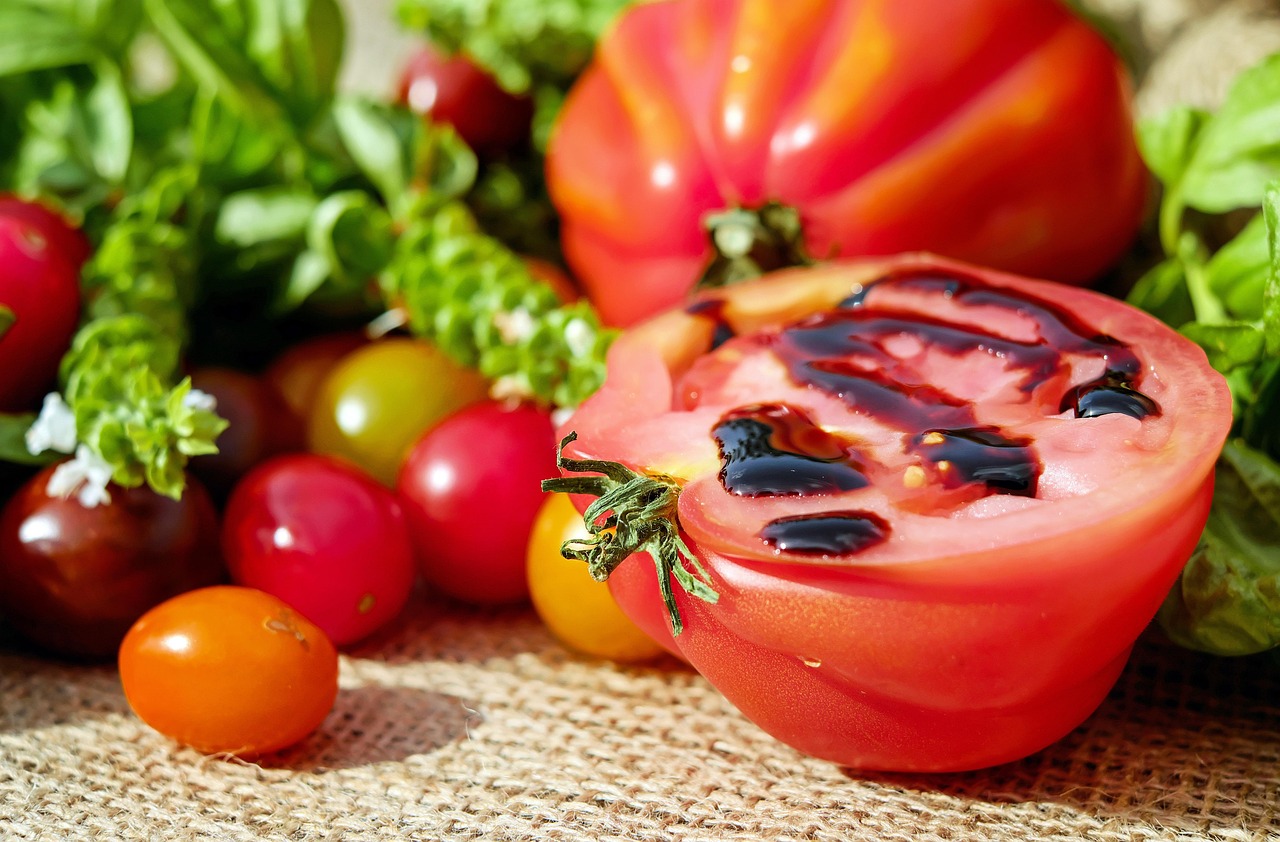
The Prep: Gather fresh tomatoes, extra virgin olive oil, and fresh basil. Choose ripe tomatoes, as they contain higher levels of lycopene. Cut the tomatoes into small pieces and prepare a dressing with olive oil and chopped basil.
The Action: In a bowl, combine the chopped tomatoes with the dressing. Mix well and allow the flavors to meld for about ten minutes. Serve this salad as a side dish with your meals.
The Feeling: Enjoy the fresh, juicy burst of flavor with every bite. The olive oil will create a smooth texture and enhance the overall taste, making it a delightful addition to your daily meals.
Pro Tip: Pairing tomatoes with olive oil significantly boosts lycopene absorption due to the fat content in the oil.
Incorporating into Sauces
The Prep: Start with canned or fresh tomatoes, garlic, onions, and your choice of herbs. Sauté garlic and onions in olive oil until fragrant. Use crushed tomatoes for a smoother sauce.
The Action: Add crushed tomatoes to the sautéed mixture. Season with herbs like oregano and basil. Let the sauce simmer for at least 20 minutes to develop deeper flavors.
The Feeling: The aroma of the simmering sauce fills your kitchen, creating a comforting atmosphere. The warm sauce can be served with pasta or as a base for various dishes.
Pro Tip: Cooking tomatoes increases the bioavailability of lycopene, making it easier for your body to absorb.
For a Refreshing Beverage
The Prep: Gather ripe tomatoes, celery, lemon juice, and a dash of hot sauce. Use a blender for a smooth consistency. Rinse the ingredients thoroughly before preparation.
The Action: Blend the tomatoes until smooth. Add celery, lemon juice, and hot sauce to taste. Blend again until all ingredients are well combined. Serve chilled.
The Feeling: The refreshing drink offers a cooling sensation, perfect for hydration. The combination of flavors provides a zesty kick that revitalizes your palate.
Pro Tip: Consuming tomato juice can be a quick way to boost lycopene intake, especially on busy days.
Common Mistakes to Avoid
Overcooking Tomatoes
Many people believe that cooking tomatoes is always beneficial. However, overcooking can lead to nutrient loss. Lycopene can degrade at high temperatures, reducing its effectiveness.
To avoid this mistake, focus on cooking tomatoes just enough to enhance their flavor without destroying their beneficial compounds. Aim for a balance between cooking and retaining nutrients.
Neglecting Variety
Using only one type of tomato can limit the range of nutrients you receive. Different varieties contain varying levels of lycopene and other antioxidants. Relying solely on one type, such as Roma tomatoes, may not provide the full spectrum of benefits.
Incorporate a variety of tomatoes into your diet. Cherry, heirloom, and beefsteak tomatoes all offer unique flavors and nutrient profiles, enhancing your overall intake.
Ignoring Pairing with Fats
Some individuals consume tomatoes without considering their fat content. Lycopene is fat-soluble, meaning it is better absorbed when consumed with dietary fats. Skipping this step can hinder the benefits.
Always pair tomatoes with healthy fats, such as olive oil or avocados. This simple adjustment can significantly improve your body’s ability to absorb lycopene and other nutrients.
The Biological Mechanism Behind Lycopene
Lycopene is a carotenoid that plays a crucial role in protecting the eyes from oxidative stress. It helps neutralize free radicals, which can damage cells and lead to various eye conditions. This protective mechanism is essential in maintaining overall eye health.
Research indicates that lycopene can reduce the risk of age-related macular degeneration. Its antioxidant properties protect retinal cells from oxidative damage, enhancing visual function over time.
For more detailed clinical evidence, refer to this PubMed search, which showcases studies supporting the benefits of lycopene in eye health.
Choosing the Right Product
- Potency: Higher potency ensures a more effective dose of lycopene, maximizing health benefits.
- Purity: Look for products free from additives and fillers to ensure you receive the full benefits of lycopene.
- Form: Choose between fresh tomatoes, sauces, or supplements based on your personal preferences and dietary needs.
Benefits vs Risks
| The Benefits | Potential Downsides |
|---|---|
| Rich in antioxidants that support eye health | Excessive consumption may lead to digestive issues |
| Low in calories, making them a healthy addition | May cause allergic reactions in some individuals |
| Versatile in various dishes | Quality may vary depending on sourcing |
Habits for Enhanced Eye Health
Regular eye check-ups can help catch potential issues early. Staying proactive about eye health enables timely interventions when necessary.
Incorporating other eye-friendly foods, such as leafy greens and fish rich in omega-3 fatty acids, can create a comprehensive approach to maintaining vision.
Who Should Avoid This?
- Individuals with tomato allergies should avoid consumption.
- People with certain gastrointestinal conditions may need to limit intake.
- Those on specific medications may require guidance from a healthcare provider.
Common Questions
How much lycopene do I need for eye health?
The recommended intake varies, but incorporating a few servings of tomatoes weekly can provide beneficial levels of lycopene.
Can I get enough lycopene from supplements?
While supplements are available, whole foods like tomatoes offer additional nutrients and benefits that supplements may lack.
Are there any side effects of consuming too many tomatoes?
Excessive consumption can lead to digestive discomfort, so moderation is key.
How can I incorporate tomatoes into my diet?
Tomatoes can be added to salads, sauces, soups, and smoothies, making them easy to include in various meals.
The Bottom Line
Incorporating tomatoes into your diet is a delicious way to enhance eye health.
- The Truth: Relying solely on tomatoes will not guarantee perfect vision.
- The Strategy: Use tomatoes regularly in meals for optimal benefits.
- The Next Step: Explore other eye-healthy foods to complement your diet.
Get Your FREE Natural Health Guide!
Subscribe now and receive our exclusive ebook packed with natural health tips, practical wellness advice, and easy lifestyle changes, delivered straight to your inbox.