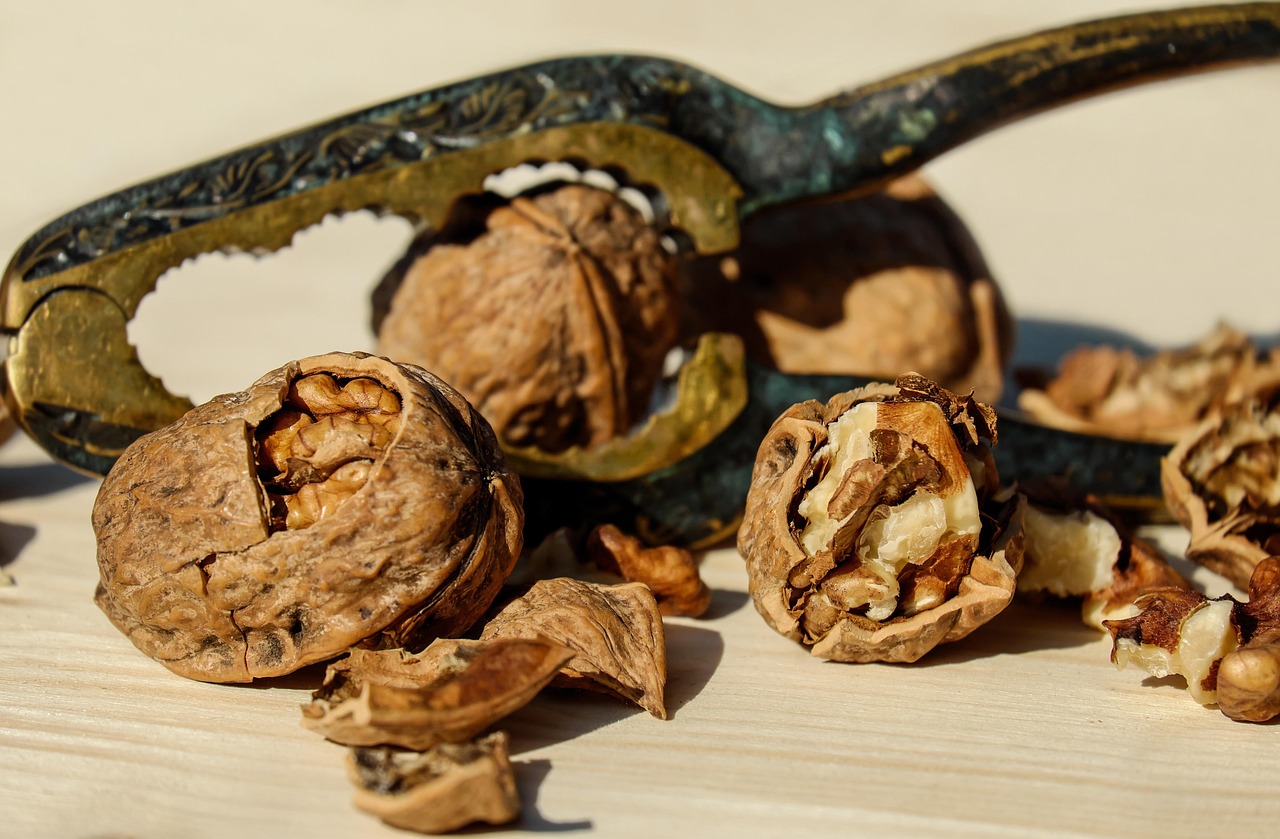

Nourishing your veins is essential for optimal health, particularly as we age or engage in activities that put stress on our circulatory system. Many individuals experience issues related to poor circulation, which can lead to discomfort, fatigue, and even long-term health complications. The search for natural solutions often leads to foods rich in nutrients that support vascular health. Among these, walnuts stand out due to their unique combination of healthy fats, vitamins, and antioxidants.
Integrating walnuts into your diet can be a delicious way to improve vein health. Their omega-3 fatty acids, fiber, and polyphenolic compounds make them a powerhouse for promoting circulation. This guide provides you with walnut-infused recipes that are not only easy to prepare but also designed to enhance your vascular system. Each recipe focuses on maximizing the benefits of walnuts while ensuring that your meals remain tasty and enjoyable.
The goal of this guide is to provide practical applications of walnut-infused recipes that help nourish your veins. By understanding how to effectively incorporate walnuts into your daily meals, you can enjoy the health benefits while savoring the flavors. This guide will give you the tools to make informed choices about your diet and lifestyle, empowering you to take charge of your vascular health.
Let’s explore how to use walnuts in your diet for real results, alongside practical recipes and insights into their health benefits.
Contents
How to Use Walnuts for Real Results
- Best Form: Raw or lightly toasted
- Best Time: Daily, preferably in the morning
- Expected Result: Improved circulation and vein health
For Daily Protection
The Prep: For a nutritious start to your day, gather the following ingredients: one cup of rolled oats, two tablespoons of chopped walnuts, one banana, and a cup of almond milk. Prepare a small bowl for mixing and a saucepan for cooking.
The Action: Begin by cooking the rolled oats in almond milk over medium heat. Stir occasionally for about five minutes until the oats have absorbed most of the liquid. Once cooked, remove the oats from heat and mix in the chopped walnuts and sliced banana.
The Feeling: As you enjoy your oatmeal, you may experience a warm, comforting sensation. The walnuts add a satisfying crunch, while the banana provides natural sweetness. This meal will keep you feeling full and energized for hours.
Pro Tip: Consider adding a sprinkle of cinnamon or a drizzle of honey for extra flavor and health benefits.
For a Midday Boost
The Prep: For a refreshing salad, you will need two cups of mixed greens, half a cup of cherry tomatoes, a quarter cup of crumbled feta cheese, and a handful of walnuts. Prepare a large salad bowl and a small jar for your dressing.
The Action: Begin by washing and drying the mixed greens. In the salad bowl, combine the greens, halved cherry tomatoes, and crumbled feta. For the dressing, mix olive oil, balsamic vinegar, salt, and pepper in the small jar. Shake well and drizzle over the salad just before serving. Finally, sprinkle the walnuts on top.
The Feeling: The crispness of the greens combined with the creaminess of the feta creates a delightful contrast. The walnuts add a rich, nutty flavor that enhances the overall experience. This salad can uplift your mood and keep you alert throughout the day.
Pro Tip: Add sliced avocado for healthy fats and a creamy texture.
The Evening Wind Down
The Prep: For a soothing dessert, gather one cup of Greek yogurt, a quarter cup of chopped walnuts, and a tablespoon of honey. Have a small mixing bowl ready.
The Action: In the mixing bowl, combine the Greek yogurt with honey and stir until well blended. Transfer the yogurt mixture into a serving dish and top with the chopped walnuts.
The Feeling: As you savor your dessert, the creamy yogurt will provide a calming effect. The walnuts will add a satisfying crunch, while the sweetness of the honey rounds out the flavors. This treat can help you unwind after a long day.
Pro Tip: Consider adding fresh berries for a burst of antioxidants and additional flavor.
Avoiding Common Pitfalls in Walnut Consumption
Ignoring Portion Control
Overindulging in walnuts can lead to excessive calorie intake. While they are nutritious, walnuts are energy-dense. Consuming too many can counteract the benefits and lead to weight gain. To enjoy walnuts while maintaining balance, measure out a serving size, which is typically about one ounce or a handful.
Staying mindful of portion control allows you to reap the health benefits without compromising your dietary goals. Make it a habit to pre-portion walnuts to make healthy snacking easier.
Neglecting Variety
Relying solely on walnuts without incorporating other nutrient-rich foods can limit your overall health benefits. Each food offers unique nutrients that contribute to vascular health. Including a diverse range of nuts, seeds, fruits, and vegetables ensures you receive a broad spectrum of vitamins and minerals.
To maximize the advantages of walnuts, consider rotating them with other nuts like almonds or pistachios. This approach will provide a more comprehensive array of nutrients beneficial for your veins.
Choosing Processed Options
Opting for heavily salted or flavored walnuts can negate their health benefits. Processed varieties often contain added sugars, unhealthy fats, and excessive sodium, which can adversely affect circulation. Always choose raw or dry-roasted walnuts to ensure you are consuming the healthiest option.
Reading labels can help you avoid unnecessary additives. Focus on whole, unprocessed foods for maximum health benefits.
The Mechanism Behind Walnut Benefits
Walnuts support vascular health through several biological mechanisms. They are rich in omega-3 fatty acids, which help reduce inflammation and improve endothelial function. The endothelial lining of blood vessels plays a crucial role in regulating blood flow and maintaining healthy circulation.
The key compound in walnuts, alpha-linolenic acid, is a plant-based omega-3 fatty acid. This compound is known for its anti-inflammatory properties and ability to improve blood lipid profiles. Regular consumption can lead to lower cholesterol levels and reduced risk of cardiovascular diseases.
Clinical evidence supports the benefits of walnuts for vascular health. A study published in the American Journal of Clinical Nutrition found that walnut consumption is associated with improved endothelial function and reduced blood pressure. For more detailed research, refer to this link.
Choosing the Right Product
- Potency: Higher potency means more nutrients. Selecting walnuts that are fresh and free from additives ensures you get the maximum health benefits.
- Purity: Look for organic options when possible. Organic walnuts are less likely to contain pesticides and harmful chemicals.
- Form: Whole walnuts are preferable to processed forms. Whole nuts retain their nutrients better than those that are ground or mixed with other ingredients.
Understanding the Trade-Offs
| The Benefits | Potential Downsides |
|---|---|
| Rich in omega-3 fatty acids, promoting heart health. | High calorie content may contribute to weight gain if consumed excessively. |
| Contains antioxidants that reduce inflammation. | Allergic reactions can occur in sensitive individuals. |
| Supports brain function and cognitive health. | May interact with certain medications, especially blood thinners. |
Enhancing Your Lifestyle
Incorporating regular physical activity into your routine can significantly enhance the benefits of walnuts. Exercise promotes healthy circulation and overall vascular health. Aim for at least 150 minutes of moderate aerobic activity each week to complement your walnut consumption.
Staying hydrated is another crucial habit. Proper hydration supports blood volume and circulation, enhancing the effects of the nutrients in walnuts. Aim to drink at least eight glasses of water daily to maintain optimal vascular function.
Who Should Avoid This?
– Individuals with nut allergies
– Those on anticoagulant medications
– People with specific dietary restrictions or conditions that contraindicate nut consumption
Common Questions
Can walnuts help with blood pressure?
Yes, walnuts have been shown to support healthy blood pressure levels through their omega-3 fatty acid content.
How many walnuts should I eat daily?
A recommended serving size is about one ounce, which is approximately a handful.
Are there any side effects of consuming walnuts?
Some individuals may experience allergic reactions or digestive discomfort when consuming walnuts.
Can I use walnut oil instead?
Yes, walnut oil can be a healthy alternative but should be used in moderation due to its high calorie content.
The Bottom Line
Nourishing your veins with walnut-infused recipes is a delicious and effective strategy for enhancing vascular health.
- The Truth: While walnuts are beneficial, they should be consumed in moderation.
- The Strategy: Incorporate walnuts into your daily meals for optimal benefits.
- The Next Step: Make a habit of pairing walnuts with a balanced diet and regular exercise.
Get Your FREE Natural Health Guide!
Subscribe now and receive our exclusive ebook packed with natural health tips, practical wellness advice, and easy lifestyle changes, delivered straight to your inbox.