
Ginger tea has gained popularity as a flavorful beverage that offers various health benefits. Among these, its potential to enhance brain blood flow is particularly noteworthy. Many individuals face challenges related to cognitive performance and mental clarity. Factors such as stress, fatigue, and poor diet can contribute to these issues. Incorporating ginger tea into your daily routine may provide a natural solution to support brain health.
The unique compounds in ginger can influence circulation and promote better blood flow. This is crucial for delivering oxygen and nutrients to brain cells. Improved circulation can enhance cognitive functions such as memory, focus, and overall mental agility. For anyone seeking a simple yet effective way to boost brain function, ginger tea may be a valuable addition to their wellness regimen.
Moreover, the preparation of ginger tea is straightforward and can easily fit into various lifestyles. Whether enjoyed in the morning or as an afternoon pick-me-up, this herbal infusion offers not just taste but also potential cognitive benefits. This guide will explore practical applications, the science behind ginger’s effects on blood flow to the brain, common mistakes to avoid, and much more.
Understanding how to effectively use ginger tea for brain health can empower individuals to make informed choices. By embracing this natural remedy, one can enhance their cognitive abilities while enjoying a delicious beverage. Let’s dive deeper into how to harness the benefits of ginger tea for optimal brain function.
Contents
How to Use Ginger Tea for Real Results
- Best Form: Fresh ginger root or ginger powder
- Best Time: Morning or early afternoon
- Expected Result: Enhanced focus and cognitive clarity
For Daily Protection
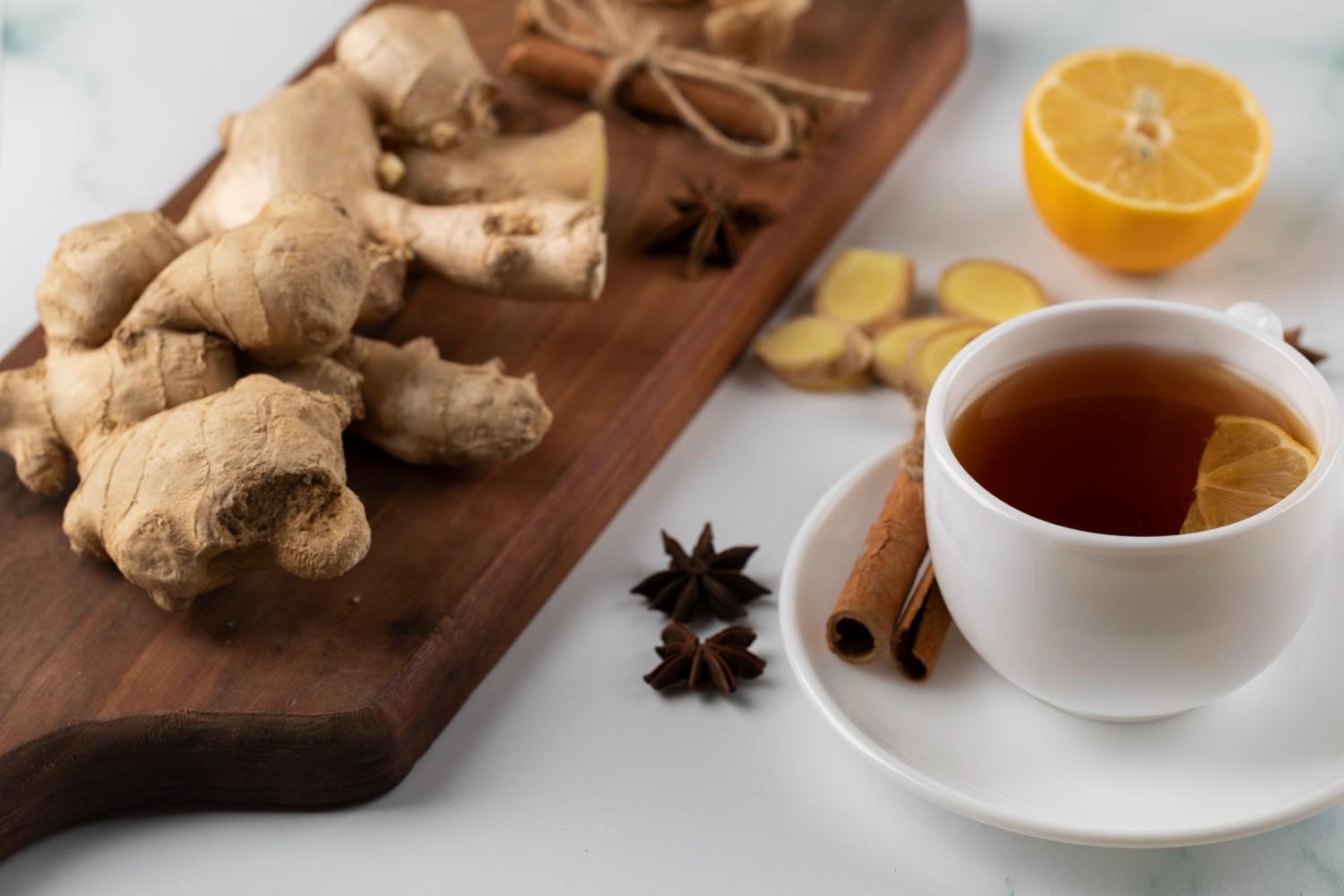
The Prep: Start with fresh ginger root, about one inch, and peel it. Slice it thinly to maximize the surface area for infusion. You will also need two cups of water and optional additions like honey or lemon for flavor enhancement.
The Action: Boil the water in a saucepan. Once boiling, add the sliced ginger and reduce the heat. Let it simmer for about 10 to 15 minutes. After simmering, strain the tea into a cup. Sweeten with honey or add lemon juice to taste if desired.
The Feeling: Upon sipping, you may experience a warming sensation that spreads through your body. The ginger’s natural spiciness can create a slight tingling sensation on your tongue. This invigorating effect can last for a couple of hours, promoting alertness and focus.
Pro Tip: Prepare a larger batch and store it in the refrigerator for a refreshing iced version later in the day.
Targeting Acute Fatigue
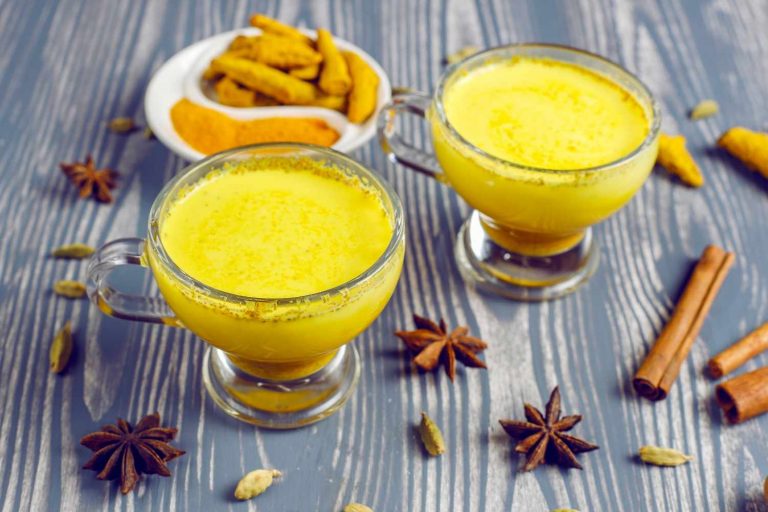
The Prep: Gather two cups of water, a one-inch piece of fresh ginger root, and a teaspoon of turmeric powder. These ingredients work synergistically to combat fatigue and enhance brain functionality.
The Action: Boil the water in a pot. Once boiling, add the sliced ginger and turmeric powder. Allow it to simmer for 15 minutes. Strain the mixture into a cup and enjoy it warm. Consider adding a pinch of black pepper to improve turmeric absorption.
The Feeling: This tea may provide an immediate sense of warmth and comfort. The combination of ginger and turmeric can create a soothing effect, helping to alleviate feelings of fatigue. Expect to feel a gradual increase in energy and mental clarity.
Pro Tip: Drink this tea mid-morning to combat the post-lunch slump.
The Nighttime Routine
The Prep: For a calming nighttime drink, use a smaller piece of ginger, about half an inch. You will also need one cup of water and a teaspoon of honey for sweetness.
The Action: Boil the water and add the ginger slices. Let it simmer for about 10 minutes. Strain the tea into a mug and stir in the honey while it is still warm. This soothing preparation can help you unwind.
The Feeling: As you sip this warm tea, you may notice a calming sensation enveloping your body. The ginger’s warmth can promote relaxation, making it easier to transition into a restful state. This calming effect can last well into the evening.
Pro Tip: Enjoy this tea about an hour before bedtime to enhance relaxation.
Common Mistakes to Avoid When Using Ginger Tea
Using Low Quality Herbs
Many people overlook the importance of ingredient quality when preparing ginger tea. Low-quality ginger may lack the active compounds that provide health benefits. This means that not only is the flavor compromised, but so are the potential cognitive benefits.
To ensure you are getting the most from your ginger tea, always opt for high-quality, organic ginger. Fresh ginger root is ideal, but if using powdered ginger, make sure it is pure and free from additives. Investing in quality ingredients will maximize the effectiveness of your tea.
Neglecting Temperature
Temperature plays a significant role in the efficacy of ginger tea. Many individuals brew their tea at too high a temperature, which can destroy some of the beneficial compounds in ginger. This mistake can lead to a less potent infusion that fails to deliver the desired cognitive effects.
To get the best results, simmer ginger at a lower temperature rather than boiling it aggressively. This gentle extraction ensures that the active compounds remain intact, providing a more effective brew for enhancing brain blood flow.
Ignoring Personal Tolerance
Each individual has a unique tolerance to ginger. Some may find that they can enjoy multiple cups without adverse effects, while others may experience digestive discomfort with even a small amount. Ignoring this personal tolerance can lead to negative experiences.
Start with a small amount of ginger and gradually increase your intake as your body adjusts. Pay attention to how your body responds. This mindful approach will help you enjoy the benefits without experiencing discomfort.
The Science Behind Ginger’s Effects
Ginger contains several bioactive compounds that can positively influence blood flow and brain function. These compounds, such as gingerol and shogaol, have anti-inflammatory and antioxidant properties. They work by relaxing blood vessels and improving circulation, which is essential for optimal brain function.
The key compound responsible for these effects is gingerol. This potent antioxidant not only reduces inflammation but also promotes better blood flow by dilating blood vessels. Enhanced blood flow ensures that the brain receives adequate oxygen and nutrients, which can improve cognitive performance and overall mental clarity.
Clinical studies have shown the cognitive benefits of ginger. Research indicates that ginger can enhance working memory and attention. For more detailed insights, you can explore the findings on PubMed by following this link.
Choosing the Right Ginger Product
- Potency: High potency ensures that you receive adequate levels of active compounds. This enhances the effectiveness of ginger tea for cognitive benefits.
- Purity: Pure ginger products without additives or fillers are essential. This guarantees that you are consuming the full benefits of ginger without any unwanted substances.
- Form: Fresh ginger is generally more potent than dried or powdered forms. However, both can be effective if they are of high quality.
Benefits vs Risks
| The Benefits | Potential Downsides |
|---|---|
| Enhances blood flow to the brain | May cause digestive discomfort in some |
| Rich in antioxidants | Possible interactions with certain medications |
| Supports cognitive function | Excessive consumption can lead to heartburn |
Habits to Enhance Your Experience
Incorporating regular physical activity into your routine can significantly enhance the benefits of ginger tea. Exercise promotes overall circulation, complementing the effects of ginger on blood flow to the brain.
Mindfulness practices such as meditation can also be beneficial. These practices help reduce stress and improve mental clarity, creating a synergistic effect when combined with ginger tea.
Who Should Avoid This?
– Pregnant women due to potential complications
– Individuals on blood-thinning medications
– Those with a history of gallstones
– People with specific allergies to ginger
Common Questions
How often can I drink ginger tea?
You can enjoy ginger tea daily, but moderation is key. One to three cups a day is generally considered safe for most individuals.
Can ginger tea help with anxiety?
Some studies suggest that ginger may have calming effects, potentially helping to alleviate anxiety symptoms.
Is it safe to combine ginger tea with other supplements?
Consult a healthcare provider before combining ginger tea with other supplements, especially blood thinners.
Can I drink ginger tea before bed?
While ginger tea can be soothing, it may cause digestive discomfort for some. Monitor your body’s response if consumed at night.
The Bottom Line
Incorporating ginger tea into your daily routine may provide valuable benefits for brain health and cognitive function.
- The Truth: Ginger tea is not a cure-all and should be part of a balanced diet.
- The Strategy: Drinking it in the morning can maximize alertness throughout the day.
- The Next Step: Consider pairing it with regular physical activity for enhanced effects.
Get Your FREE Natural Health Guide!
Subscribe now and receive our exclusive ebook packed with natural health tips, practical wellness advice, and easy lifestyle changes, delivered straight to your inbox.