
High blood pressure is a silent yet widespread issue that affects millions of people globally. It often goes unnoticed until significant damage has occurred. This condition can lead to severe health complications, including heart disease and stroke. While medications are commonly prescribed to manage blood pressure, many individuals seek natural alternatives to supplement their treatment plans.
One such alternative that has gained attention is parsley tea. This herbal infusion is not only refreshing but is also packed with nutrients that may help regulate blood pressure. Parsley, often overlooked as just a garnish, boasts a range of health benefits, particularly for cardiovascular health. This guide will delve into how incorporating parsley tea into your daily routine can significantly impact your blood pressure levels.
Understanding the advantages of parsley tea invites an examination of its properties and how they can be harnessed for better health. The tea is rich in vitamins A, C, and K, as well as essential minerals like potassium. These nutrients play a vital role in maintaining healthy blood pressure levels. By sipping on parsley tea regularly, individuals may find a simple yet effective way to support their cardiovascular health.
This comprehensive guide aims to provide practical insights into making and using parsley tea, the science behind its benefits, potential pitfalls to avoid, and tips for maximizing its effectiveness. Empowering yourself with knowledge about this herbal remedy can be the first step towards better health and well-being.
Contents
How to Use Parsley Tea for Real Results
- Best Form: Fresh parsley leaves
- Best Time: Morning or early afternoon
- Expected Result: Improved blood pressure regulation
Daily Hydration Booster
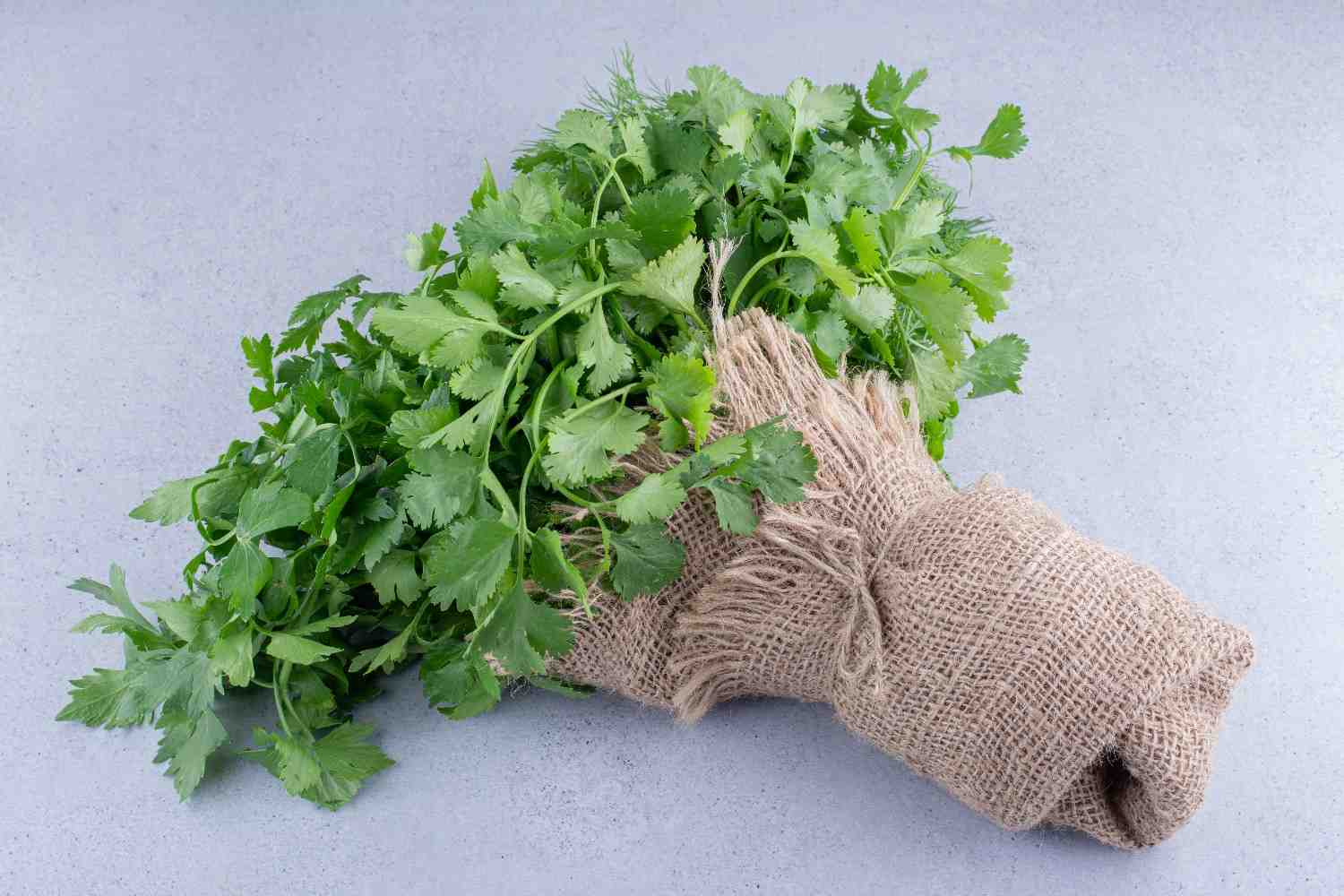
The Prep: Start with fresh parsley leaves, preferably organic. You will need about a handful of leaves and two cups of water. Optionally, add a slice of lemon for flavor and additional vitamin C.
The Action: Boil the water in a pot. Once boiling, add the parsley leaves and let them steep for about 10 minutes. Strain the liquid into a cup, and if desired, add a slice of lemon. Enjoy warm or chilled.
The Feeling: Upon sipping, you may experience a refreshing taste with a slight earthy undertone. The sensation is invigorating, making it ideal for a mid-morning pick-me-up. The lightness of the tea may leave you feeling hydrated and revitalized for hours.
Pro Tip: Prepare a larger batch and store it in the refrigerator for a quick drink throughout the week.
Post-Meal Digestive Aid
The Prep: Gather fresh parsley leaves and two cups of water. Optionally, include ginger for added digestive benefits.
The Action: Boil the water and add the parsley leaves along with a small piece of ginger. Allow the mixture to steep for about 10 to 15 minutes. Strain it into a cup and sip slowly.
The Feeling: The warmth of the tea combined with ginger creates a soothing effect on the stomach. You may feel a gentle warmth spreading through your body, helping to ease any post-meal discomfort.
Pro Tip: Enjoy this tea about 30 minutes after your meals for optimal digestive benefits.
Evening Relaxation Ritual
The Prep: Use fresh parsley leaves and two cups of water. Consider adding honey for sweetness and calming properties.
The Action: Bring the water to a boil and add the parsley leaves. Let it steep for about 10 minutes. Strain, then add honey to taste. Sip slowly while winding down your day.
The Feeling: The earthy flavor of the parsley, combined with the sweetness of honey, creates a calming sensation. You may find that it helps you relax, preparing your body for a restful night.
Pro Tip: Pair this tea with a calming environment, such as dim lighting or soft music, to enhance its relaxing effects.
Common Errors to Avoid
Choosing Low-Quality Ingredients
Relying solely on parsley tea for blood pressure management may lead to neglecting other important lifestyle choices. While herbal remedies can support health, they should complement a balanced diet and regular exercise.
Incorporating regular physical activity into your routine can complement the benefits of parsley tea. Aim for at least 30 minutes of moderate exercise most days of the week. Activities like walking, cycling, or yoga can enhance cardiovascular health. Mindfulness practices such as meditation or deep breathing can also support blood pressure regulation. Taking just a few minutes each day to focus on your breath can promote relaxation and reduce stress, further supporting heart health.
While dried parsley can be used, fresh parsley is recommended for maximum nutrient content and flavor. One to three cups a day is generally safe for most individuals. Adjust based on your body’s response. Most people can enjoy parsley tea, but certain individuals, especially those with specific health conditions, should consult a healthcare provider. Yes, combining parsley with herbs like ginger or mint can enhance the flavor and potential health benefits. Incorporating parsley tea into your daily routine can offer potential health benefits, especially for blood pressure management.
Get Your FREE Natural Health Guide!Overconsumption of Parsley Tea
Neglecting Other Healthy Practices
The Mechanism Behind the Benefits
Choosing the Right Product
Benefits vs Risks
The Benefits
Potential Downsides
Rich in vitamins and minerals that support heart health.
Possible digestive discomfort if consumed excessively.
May help regulate blood pressure levels.
Interactions with certain medications may occur.
Natural and refreshing alternative to sugary drinks.
Quality can vary significantly between products.
Habits to Enhance Your Experience
Who Should Avoid This?
Common Questions
Can I use dried parsley instead of fresh?
How often should I drink parsley tea?
Is parsley tea safe for everyone?
Can I combine parsley tea with other herbs?
The Bottom Line
Subscribe now and receive our exclusive ebook packed with natural health tips, practical wellness advice, and easy lifestyle changes, delivered straight to your inbox.