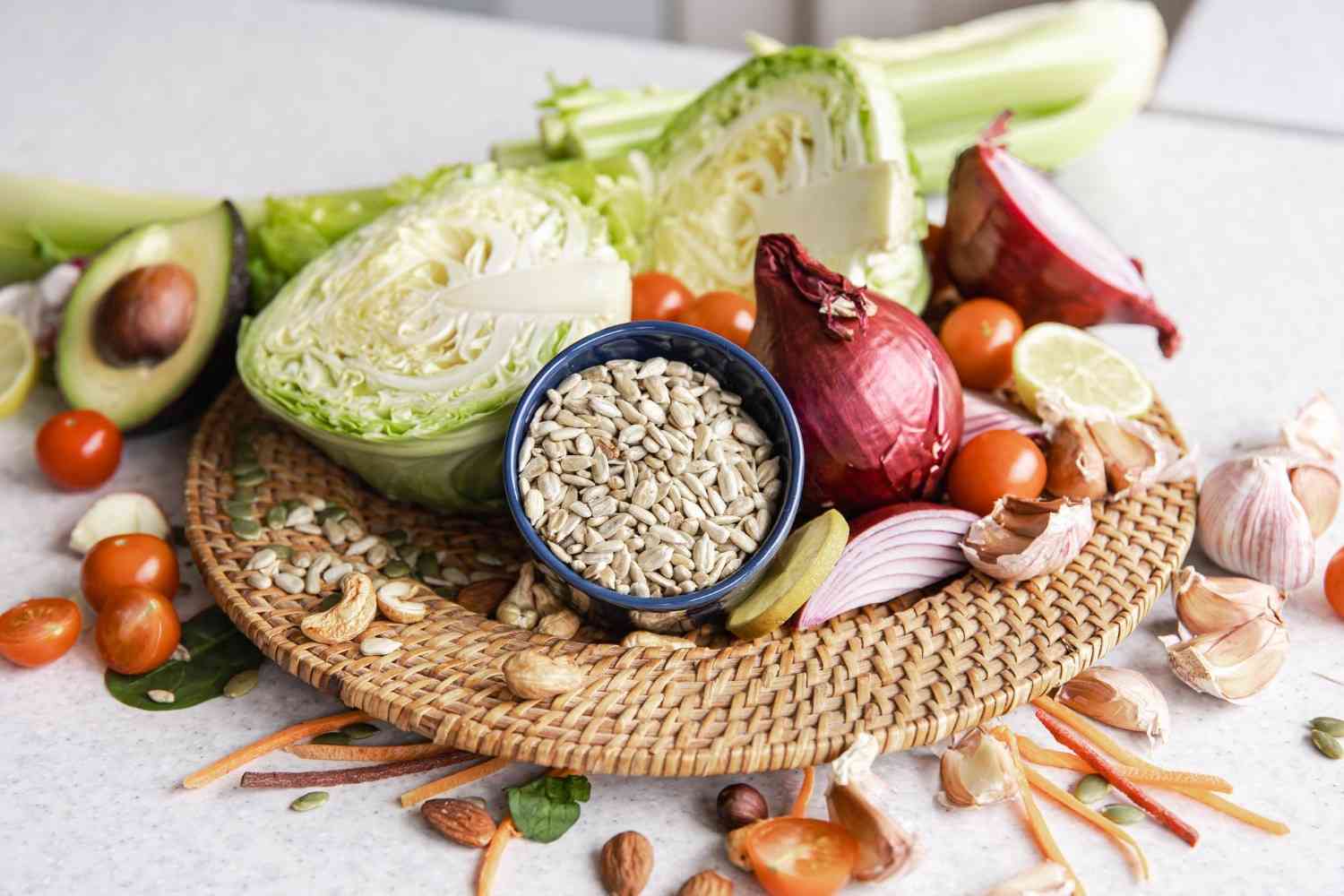

Fiber plays a crucial role in maintaining gut health and metabolism. Many people overlook its importance, leading to digestive issues and metabolic imbalances. This lack of emphasis can result in discomfort, fatigue, and even weight gain. Understanding the types of fiber and incorporating fiber-rich foods into your diet can significantly enhance your overall wellness.
The gut microbiome thrives on fiber, which acts as a prebiotic, feeding beneficial gut bacteria. These bacteria, in turn, support digestion and metabolic processes. A well-functioning gut contributes not only to digestive health but also to systemic health, impacting everything from mood to immune function. By focusing on fiber-rich foods, you can naturally boost your gut metabolism, paving the way for better health outcomes.
Fiber is classified into two main types: soluble and insoluble. Soluble fiber dissolves in water and forms a gel-like consistency in the gut, helping to regulate blood sugar and lower cholesterol levels. Insoluble fiber, on the other hand, adds bulk to stools and promotes regular bowel movements. Both types are essential for a balanced diet and a healthy gut.
Incorporating a variety of fiber-rich foods into your meals can be an enjoyable and fulfilling way to improve your health. From fruits and vegetables to whole grains and legumes, there are numerous options to choose from. This guide will explore the most effective fiber foods that can naturally enhance your gut metabolism.
Contents
How to Use Fiber Foods for Real Results
- Best Form: Whole foods like fruits, vegetables, legumes, and whole grains.
- Best Time: Incorporate fiber throughout the day in each meal.
- Expected Result: Improved digestion, enhanced metabolism, and better gut health.
For Daily Protection
The Prep: Start your day with a breakfast that includes oats or chia seeds. Combine half a cup of rolled oats with a tablespoon of chia seeds and a cup of almond milk. Add fruits like bananas or berries for extra fiber and flavor.
The Action: Cook the oats as per package instructions. Once they are ready, mix in the chia seeds and fruits. Allow the mixture to sit for a few minutes so that the chia seeds can absorb the liquid and expand.
The Feeling: You will experience a satiating fullness that lasts for hours. The fiber will help regulate blood sugar levels, preventing energy crashes.
Pro Tip: Prepare overnight oats by soaking them in almond milk overnight for a quick, fiber-rich breakfast.
Post-Workout Recovery
The Prep: After a workout, focus on a recovery smoothie. Use spinach, half an avocado, banana, and a scoop of protein powder. Add a tablespoon of flaxseeds for an additional fiber boost.
The Action: Blend all ingredients until smooth. You can add water or almond milk to achieve your desired consistency.
The Feeling: The smoothie will provide a creamy texture that feels refreshing and revitalizing. The fiber will aid in digestion while the healthy fats will promote recovery.
Pro Tip: Freeze bananas ahead of time for a cooler, thicker smoothie.
Evening Wind Down
The Prep: For dinner, prepare a hearty vegetable stir-fry. Use broccoli, carrots, bell peppers, and quinoa, which is a complete protein and high in fiber.
The Action: Sauté the vegetables in olive oil and add cooked quinoa. Season with herbs and spices. Serve warm for a comforting meal.
The Feeling: This meal will leave you feeling nourished and satisfied. The fiber content will help keep you full throughout the night, aiding in digestion as you sleep.
Pro Tip: Add beans or lentils for an extra fiber punch and protein boost.
Common Mistakes to Avoid
Choosing Processed Fiber Sources
Many people opt for fiber supplements or processed foods marketed as high in fiber. These options often lack the additional nutrients found in whole foods. Processed sources can lead to digestive discomfort and fail to promote long-term gut health.
Instead, prioritize whole, unprocessed fiber sources. Foods like fruits, vegetables, legumes, and whole grains offer a multitude of nutrients that work synergistically to support metabolic processes.
Neglecting Hydration
Fiber requires adequate hydration to function effectively in the gut. Many individuals increase fiber intake without increasing water consumption, leading to bloating and constipation.
To avoid this, aim to drink plenty of fluids throughout the day, particularly when consuming fiber-rich foods. This will ensure that fiber can effectively aid digestion and promote gut health.
Ignoring Variety
Relying on a limited selection of fiber sources can lead to nutrient deficiencies. Each fiber-rich food offers different types of fiber and a unique array of vitamins and minerals.
Incorporate a diverse range of fiber foods into your diet. This not only keeps meals interesting but also ensures you are getting a comprehensive nutrient profile to support gut metabolism.
The Science Behind Fiber and Gut Health
The biological mechanism behind fiber’s impact on gut health primarily involves its role as a prebiotic. Prebiotics are compounds that nourish beneficial gut bacteria. When fiber is fermented in the gut, it produces short-chain fatty acids, which are essential for maintaining gut health and metabolism.
Key compounds in fiber, such as inulin and resistant starch, play a significant role in promoting the growth of beneficial bacteria. These compounds enhance the gut barrier function and improve overall gut health.
Clinical evidence supports the positive effects of dietary fiber on gut health. Studies have shown that higher fiber intake is associated with a lower risk of gastrointestinal disorders and improved metabolic outcomes. For more detailed information, visit PubMed.
Choosing the Right Fiber Products
– **Potency:** Look for foods rich in both soluble and insoluble fiber. This balance is crucial for optimal gut health.
-
Purity: Choose organic and minimally processed options. This ensures that you are consuming foods free from additives and pesticides.
-
Form: Whole foods should be the priority. While supplements can be beneficial, they should not replace whole food sources of fiber.
Benefits vs Risks
| The Benefits | Potential Downsides |
|---|---|
| Improves digestive health | May cause bloating if increased too quickly |
| Supports weight management | Can lead to constipation without adequate hydration |
| Enhances metabolic function | Some individuals may be sensitive to certain fibers |
Habits for Enhanced Gut Health
Incorporating regular physical activity can significantly improve gut health. Exercise promotes gut motility and enhances the diversity of gut microbiota.
Mindful eating practices also contribute to gut health. Taking time to chew food thoroughly and avoiding distractions during meals can aid digestion and absorption of nutrients.
Who Should Avoid This?
– Individuals with certain gastrointestinal conditions such as Crohn’s or ulcerative colitis.
– Those who experience severe bloating or gas from fiber-rich foods.
– People with a history of bowel obstructions or strictures.
– Anyone on a low-fiber diet due to recent surgery or medical advice.
Common Questions
What is the best source of fiber?
Whole fruits, vegetables, legumes, and whole grains are among the best sources of dietary fiber.
How much fiber should I consume daily?
The recommended daily intake is around 25 grams for women and 38 grams for men, though individual needs may vary.
Can I get enough fiber from supplements?
While supplements can help, they should not replace the fiber obtained from whole foods.
What are the signs of a fiber deficiency?
Signs may include constipation, irregular bowel movements, and digestive discomfort.
The Bottom Line
Incorporating fiber-rich foods into your diet is a practical and effective way to enhance gut health and metabolism.
- The Truth: Increasing fiber intake should be gradual to prevent digestive discomfort.
- The Strategy: Aim to include fiber in every meal for optimal benefits.
- The Next Step: Consider meal prepping fiber-rich foods for convenience.
Get Your FREE Natural Health Guide!
Subscribe now and receive our exclusive ebook packed with natural health tips, practical wellness advice, and easy lifestyle changes, delivered straight to your inbox.