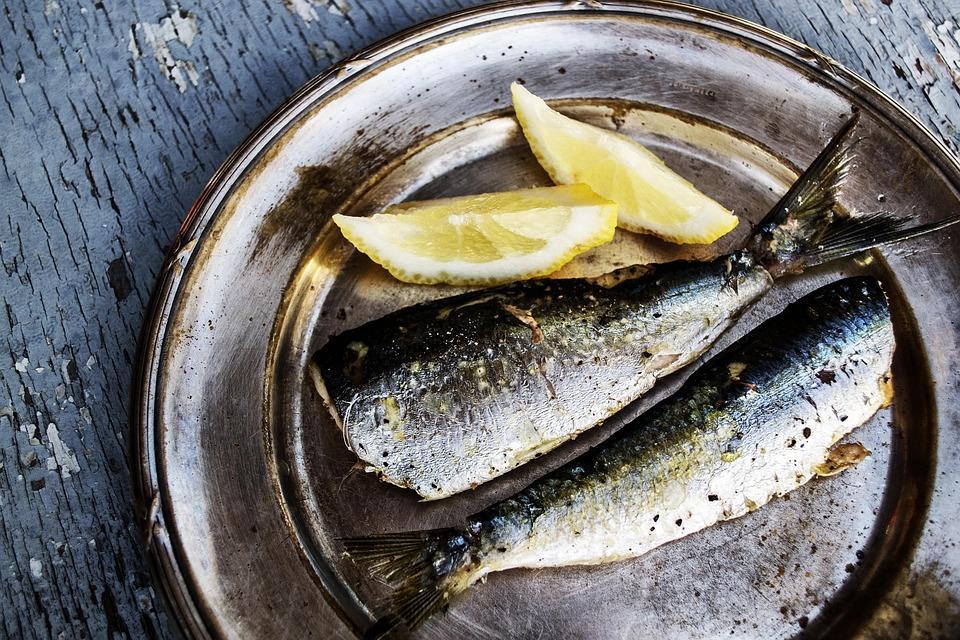

Fatty fish have emerged as a cornerstone of dietary recommendations aimed at enhancing overall health. Many individuals struggle with poor circulation, which can lead to a myriad of health issues ranging from fatigue to more severe cardiovascular problems. Inadequate blood flow affects not just physical performance but can also impact mental clarity and emotional well-being. The good news is that incorporating fatty fish into your diet can serve as a powerful ally in boosting circulation, providing essential nutrients that support vascular health.
The omega-3 fatty acids found in fatty fish are particularly noteworthy. They work to improve blood flow by reducing inflammation and promoting the dilation of blood vessels. This effect can lead to lower blood pressure and improved oxygen and nutrient delivery throughout the body. The challenge lies in understanding how to effectively integrate these nutrient-rich foods into your daily routine to reap their full benefits.
Exploring the specific types of fatty fish and various preparation methods can make a significant difference in your health journey. Learning how to use these foods effectively can transform your meals into powerful tools for enhancing circulation. With that said, let’s delve into practical applications that can help you experience these benefits firsthand.
Changing your diet can often feel overwhelming. Simple steps can lead to significant improvements in circulation and overall well-being. By adopting a proactive approach to incorporating fatty fish into your meals, you can pave the way for better health and vitality.
Contents
How to Use Fatty Fish for Real Results
- Best Form: Fresh or frozen fatty fish
- Best Time: 2-3 times a week
- Expected Result: Enhanced circulation and reduced inflammation
For Daily Protection
The Prep: Choose a high-quality source of fatty fish such as salmon or mackerel. Fresh or frozen fillets are ideal. Gather additional ingredients like olive oil, garlic, and fresh herbs for seasoning. These ingredients complement the fish and add extra health benefits.
The Action: Preheat your oven to 375°F. Place the fish on a baking sheet lined with parchment paper. Drizzle with olive oil and sprinkle minced garlic and herbs on top. Bake for about 15-20 minutes until the fish flakes easily with a fork.
The Feeling: You will experience a sense of satisfaction as the rich flavors meld together. The meal should leave you feeling energized, with a noticeable lightness in your body that promotes overall well-being.
Pro Tip: Pair your fish with a side of leafy greens to further enhance circulation benefits.
Targeting Acute Pain
The Prep: Select a fatty fish rich in omega-3s, such as sardines or trout. Gather lemon juice, capers, and a touch of black pepper for flavor. This combination not only enhances taste but also provides additional anti-inflammatory properties.
The Action: Grill the fish on medium heat for about 5-7 minutes on each side. Squeeze fresh lemon juice over the top and sprinkle capers just before serving. This method locks in moisture and maximizes flavor while keeping the fish healthy.
The Feeling: Upon consuming, you may notice a warming sensation throughout your body. This effect can lead to reduced discomfort and a calming sense of relief from acute pain.
Pro Tip: Consuming fish with anti-inflammatory ingredients can amplify the benefits for pain relief.
The Nighttime Routine
The Prep: Opt for a lighter fatty fish like halibut or sole. Combine it with seasonal vegetables such as asparagus or zucchini. These vegetables are not only nutritious but help in digestion, promoting a restful night’s sleep.
The Action: Steam the vegetables while pan-searing the fish with a little bit of olive oil. Cook the fish for about 4-5 minutes per side. This quick cooking method preserves nutrients and flavor while ensuring a light meal before bedtime.
The Feeling: You should feel a sense of calm and relaxation as you finish your meal. The combination of omega-3s and fiber-rich vegetables can promote better sleep quality, leading to improved circulation overnight.
Pro Tip: Enjoying your meal at least two hours before bedtime can enhance sleep quality.
Avoiding Common Pitfalls
Choosing Low-Quality Fish
Selecting low-quality fish can undermine the health benefits of incorporating fatty fish into your diet. Fish that is not sourced sustainably may contain harmful levels of contaminants such as mercury. This can negate the positive effects that omega-3 fatty acids provide.
Opting for wild-caught or sustainably farmed fish ensures you receive the highest quality nutrients without the risk of harmful additives. Investing in good quality fish is essential for maximizing the health benefits associated with omega-3 fatty acids.
Neglecting Preparation Methods
Improper cooking methods can also diminish the health benefits of fatty fish. Frying fish can add unhealthy fats and negate the positive attributes of omega-3s. It is crucial to choose methods that preserve the integrity of the fish while enhancing its nutritional profile.
Emphasizing baking, grilling, or steaming is recommended. These methods not only maintain the health benefits but also allow for the incorporation of other nutritious ingredients.
Ignoring Portion Control
Overeating even the healthiest foods can lead to unintended consequences. Fatty fish is rich in calories, and consuming it in excess can contribute to unwanted weight gain. This can counteract the benefits associated with improved circulation.
Balancing portion sizes while maintaining a regular intake of fatty fish is vital. Aim for 3 to 4 ounces per serving to enjoy the benefits without overindulging.
The Science Behind Omega-3s
Understanding the biological mechanisms that underpin the benefits of fatty fish is essential. Omega-3 fatty acids, primarily EPA and DHA, play a significant role in reducing inflammation and improving endothelial function. This is vital for maintaining healthy blood vessels and optimal circulation.
The key compound in fatty fish responsible for these benefits is docosahexaenoic acid (DHA). DHA assists in the production of nitric oxide, a molecule that helps relax blood vessels, thereby enhancing blood flow. This compound also contributes to heart health by lowering triglyceride levels.
Clinical evidence supports these claims. A study published in the American Journal of Clinical Nutrition highlights the beneficial effects of omega-3 fatty acids on cardiovascular health and circulation. For more details, visit PubMed.
Choosing the Right Product
– **Potency:** Look for products that specify the amount of omega-3s per serving. Higher potency ensures you receive the necessary amounts for effective health benefits.
-
Purity: Ensure that the fish is tested for contaminants. Clean sources minimize the risk of exposure to harmful substances, enhancing safety and efficacy.
-
Form: Choose between fresh, frozen, or supplement forms. Fresh and frozen fish provide the best nutritional profile, while supplements can be convenient but may lack freshness.
Benefits vs Risks
| The Benefits | Potential Downsides |
|---|---|
| Improved circulation and heart health | Possible exposure to contaminants |
| Anti-inflammatory properties | High caloric content if overconsumed |
| Enhanced cognitive function | Allergic reactions in sensitive individuals |
Habits for Enhanced Circulation
Incorporating regular physical activity into your routine can significantly enhance circulation. Engaging in aerobic exercises promotes blood flow and overall cardiovascular health.
Staying adequately hydrated is equally important. Proper hydration supports blood viscosity and circulation, ensuring that nutrients and oxygen are efficiently delivered throughout the body.
Who Should Avoid This?
– Individuals with fish allergies.
– Those on blood-thinning medications should consult a healthcare professional.
– People with specific health conditions, such as certain cancers, should avoid fish high in mercury.
Common Questions
How often should I consume fatty fish?
Aim for 2 to 3 servings per week to reap the benefits of omega-3 fatty acids.
Can I get omega-3s from sources other than fish?
Yes, plant-based sources like flaxseeds and walnuts also contain omega-3s but in a less bioavailable form.
Is frozen fish as nutritious as fresh fish?
Yes, frozen fish can be just as nutritious, especially if it is flash-frozen soon after being caught.
What are the best cooking methods for fatty fish?
Baking, grilling, and steaming are recommended to maintain the health benefits of fatty fish.
The Bottom Line
Incorporating fatty fish into your diet can significantly enhance circulation and overall well-being.
- The Truth: The quality of fish matters for health benefits.
- The Strategy: Aim for 2-3 servings of high-quality fatty fish each week.
- The Next Step: Implement regular physical activity to complement dietary changes.
Get Your FREE Natural Health Guide!
Subscribe now and receive our exclusive ebook packed with natural health tips, practical wellness advice, and easy lifestyle changes, delivered straight to your inbox.