
Cinnamon tea has emerged as a popular beverage not just for its comforting flavor but also for its potential health benefits. Among these benefits, improved blood circulation stands out as a significant advantage. Many people struggle with poor circulation, which can lead to various health issues, including fatigue, cold extremities, and even cardiovascular problems. Finding natural solutions to enhance circulation is crucial for overall health and vitality. Cinnamon tea offers a simple yet effective way to tackle this issue.

The warming properties of cinnamon have been recognized in traditional medicine for centuries. This spice is more than just a delightful addition to your morning routine; it possesses compounds that can stimulate blood flow, making it a valuable ally for those looking to enhance their circulation naturally. By incorporating cinnamon tea into your daily regimen, you may experience not only improved blood flow but also a soothing ritual that promotes relaxation and well-being.
Brewing a cup of cinnamon tea is straightforward, yet many people may not realize the full potential of this simple drink. The key lies in understanding how to prepare and consume it effectively. The correct dosage and timing can significantly influence its benefits. This guide will delve deep into practical applications, common mistakes to avoid, and the science behind why cinnamon tea may be an excellent choice for improving circulation.
Awareness of the potential pitfalls and understanding the mechanisms at play will empower you to maximize the benefits of cinnamon tea. Whether you are new to herbal remedies or a seasoned enthusiast, this comprehensive guide will equip you with the knowledge needed to incorporate this soothing beverage into your wellness routine effectively.
Contents
How to Use Cinnamon Tea for Real Results
- Best Form: Loose leaf or high-quality tea bags
- Best Time: Morning or early afternoon
- Expected Result: Enhanced blood circulation and warmth
For Daily Protection
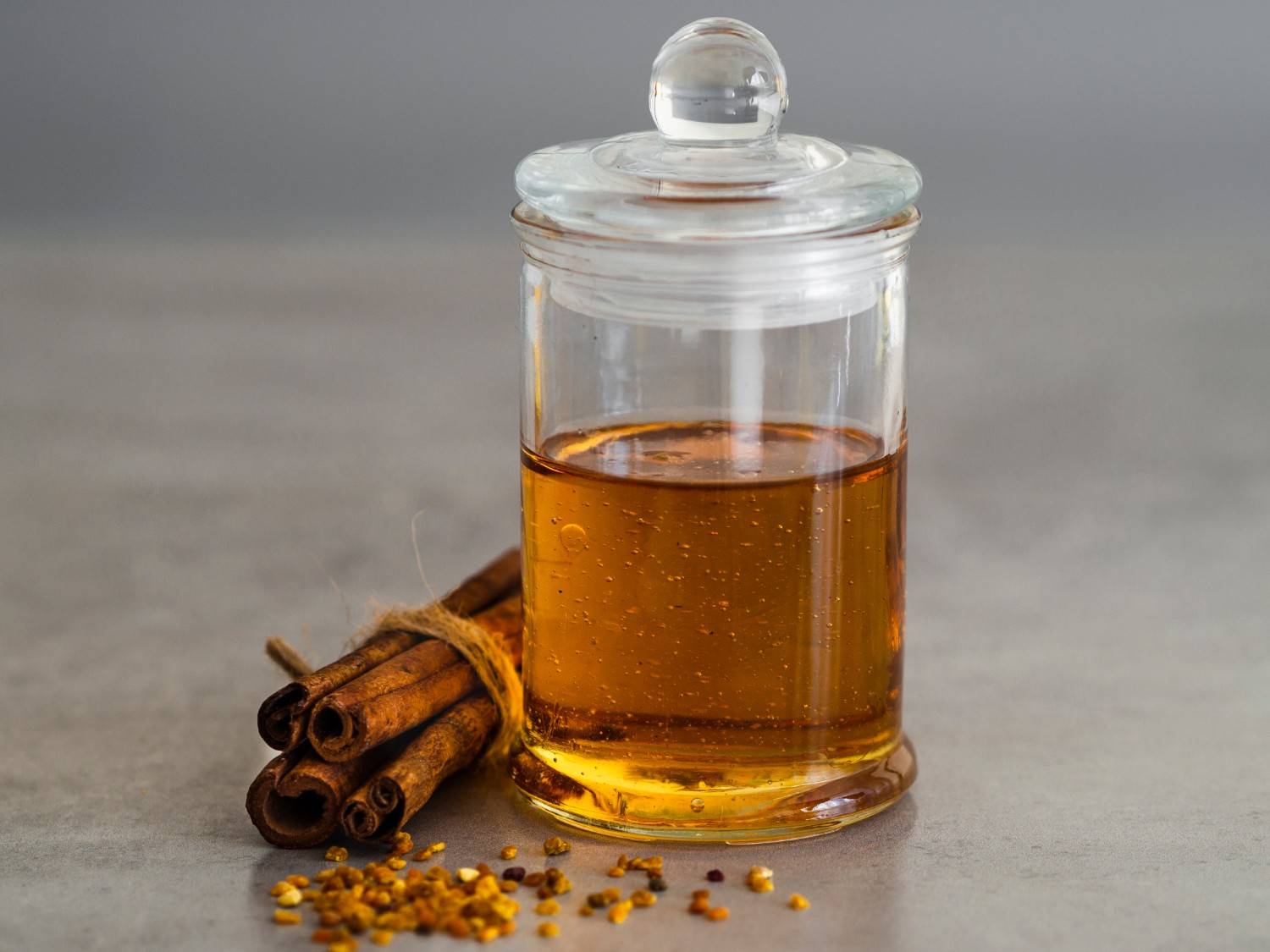
The preparation of cinnamon tea for daily consumption begins with selecting high-quality cinnamon. Choose Ceylon cinnamon for its superior health benefits. You will need one teaspoon of ground cinnamon or one cinnamon stick, a cup of boiling water, and optionally, honey or lemon for flavor.
To brew, place the ground cinnamon or stick in a cup and pour boiling water over it. Allow it to steep for about 10 to 15 minutes. If using a stick, you can remove it after steeping. Add honey or lemon to taste, if desired.
As you sip the tea, you may feel a warming sensation in your body, particularly in your extremities. This warmth can last for several hours, leaving you feeling cozy and relaxed. The soothing quality of the tea can also help ease stress and promote a sense of calm throughout your day.
Pro Tip: Consider drinking this tea in the morning to kickstart circulation and energy levels for the day ahead.
Targeting Acute Pain
When seeking relief from acute pain, a more concentrated version of cinnamon tea may be beneficial. Gather two teaspoons of ground cinnamon, one cup of boiling water, and a pinch of cayenne pepper for added heat.
Combine the ground cinnamon and cayenne pepper in a cup before adding the boiling water. Allow the mixture to steep for about 10 minutes. Strain the tea to remove any residue, then enjoy it while still warm.
The initial sip may produce a tingling sensation, especially with the added cayenne. This feeling can help to stimulate blood flow to the affected area, potentially alleviating pain. The effect can last for several hours, providing both relief and warmth.
Pro Tip: Use this tea as a natural remedy for muscle soreness or after intense workouts to enhance recovery.
The Nighttime Routine
Incorporating cinnamon tea into your nighttime routine can promote relaxation and better circulation before sleep. For this, you will need one teaspoon of ground cinnamon, a cup of water, and a slice of fresh ginger for added flavor.
Boil the water and add the ground cinnamon and ginger slice. Let it steep for about 10 to 15 minutes. Strain the tea before consuming to ensure a smooth texture.
Sipping this tea before bed may produce a calming effect, helping you unwind after a long day. The warmth of the tea can create a soothing sensation, promoting relaxation while enhancing blood flow to your extremities. This comforting ritual can last throughout the night, potentially improving your sleep quality.
Pro Tip: Make this tea part of your evening wind-down routine to prepare your body for restful sleep.
Avoiding Common Mistakes
Using Low Quality Herbs
One major mistake people often make is using low-quality cinnamon. Not all cinnamon is created equal. Cassia cinnamon, commonly found in grocery stores, contains higher levels of coumarin, which can be harmful in large amounts.
Opting for Ceylon cinnamon ensures you get the best flavor and health benefits. Ceylon cinnamon has lower coumarin levels, making it a safer choice for regular consumption. By choosing high-quality cinnamon, you can maximize the health benefits while minimizing potential risks.
Overconsumption of Cinnamon
Another pitfall is overconsumption. While cinnamon has numerous benefits, excessive intake can lead to adverse effects. High doses of coumarin can potentially cause liver damage or interact with medications.
Stick to a moderate amount, typically one to two teaspoons per day. This dosage is generally safe and effective for enhancing circulation without causing harm. Monitoring your intake will allow you to enjoy the benefits without the risks associated with overconsumption.
Neglecting Other Health Factors
Focusing solely on cinnamon tea while neglecting other lifestyle factors is another common mistake. Relying on any single remedy without considering overall health can lead to disappointment.
Incorporate cinnamon tea into a holistic approach that includes a balanced diet, regular exercise, and adequate hydration. By combining these elements, you can enhance your circulation and overall well-being more effectively.
The Science Behind Cinnamon Tea
The biological mechanisms through which cinnamon enhances blood circulation primarily involve its ability to improve endothelial function. The endothelium is a thin layer of cells lining blood vessels, and its health is crucial for proper circulation. Cinnamon helps to relax blood vessels, allowing for improved blood flow.
Cinnamaldehyde, the key compound found in cinnamon, plays a significant role in this process. It has been shown to have antioxidant and anti-inflammatory properties, which can contribute to better cardiovascular health. These effects can lead to improved circulation and reduced risk of cardiovascular diseases.
Clinical evidence supports these claims. A study published in the journal “Nutrition” highlights the positive effects of cinnamon on blood flow and circulation. You can find more detailed information on this topic through PubMed.
Choosing the Right Product
– **Potency:** Look for products that specify the amount of active compounds per serving. Potency ensures you receive the health benefits associated with cinnamon, especially for circulation.
-
Purity: Check for certifications or lab testing to confirm that the cinnamon is free from contaminants. Purity is vital for avoiding harmful additives and ensuring the quality of your tea.
-
Form: Decide between loose leaf, tea bags, or powdered forms. Loose leaf often provides better flavor and quality, while tea bags offer convenience. Choosing the right form can enhance your overall experience.
Benefits vs Risks
| The Benefits | Potential Downsides |
|---|---|
| Improved blood circulation | Possible liver damage from overconsumption |
| Anti-inflammatory properties | Interactions with certain medications |
| Enhanced relaxation and comfort | Quality variability between products |
Habits for Enhanced Wellness
Incorporating regular physical activity into your routine can further improve circulation. Activities such as walking, cycling, or yoga can stimulate blood flow and enhance the effects of cinnamon tea.
Staying hydrated is equally essential. Proper hydration supports overall health and helps maintain optimal circulation. Drinking water throughout the day complements the benefits of cinnamon tea and promotes overall wellness.
Who Should Avoid This?
– Individuals with liver disease
– Those on anticoagulant medications
– People with cinnamon allergies
– Pregnant women should consult healthcare providers before consumption
Common Questions
How often should I drink cinnamon tea?
Daily consumption of one to two cups is generally safe and beneficial for circulation.
Can I add other herbs to cinnamon tea?
Yes, herbs like ginger or turmeric can complement cinnamon’s effects and enhance flavor.
Is cinnamon tea safe for everyone?
Most people can enjoy cinnamon tea, but those with specific health conditions should consult with a healthcare provider first.
How long does it take to see results?
Many people notice improvements in circulation within a few weeks of consistent consumption.
The Bottom Line
Cinnamon tea can be a delightful addition to your wellness routine, offering various health benefits, particularly for circulation.
- The Truth: While beneficial, it should not replace medical treatments.
- The Strategy: Enjoy it in the morning or as needed throughout the day.
- The Next Step: Combine it with a balanced diet and regular exercise for optimal results.
Get Your FREE Natural Health Guide!
Subscribe now and receive our exclusive ebook packed with natural health tips, practical wellness advice, and easy lifestyle changes, delivered straight to your inbox.