
Restlessness at night can be a frustrating experience that affects not only the quality of sleep but also overall well-being. Many people find themselves tossing and turning, unable to shut off their minds after a long day. Sleep disturbances can stem from various factors including stress, anxiety, and even certain dietary choices. As the hours tick by, the body’s need for rest becomes increasingly urgent, leading to a cycle of fatigue and irritability.
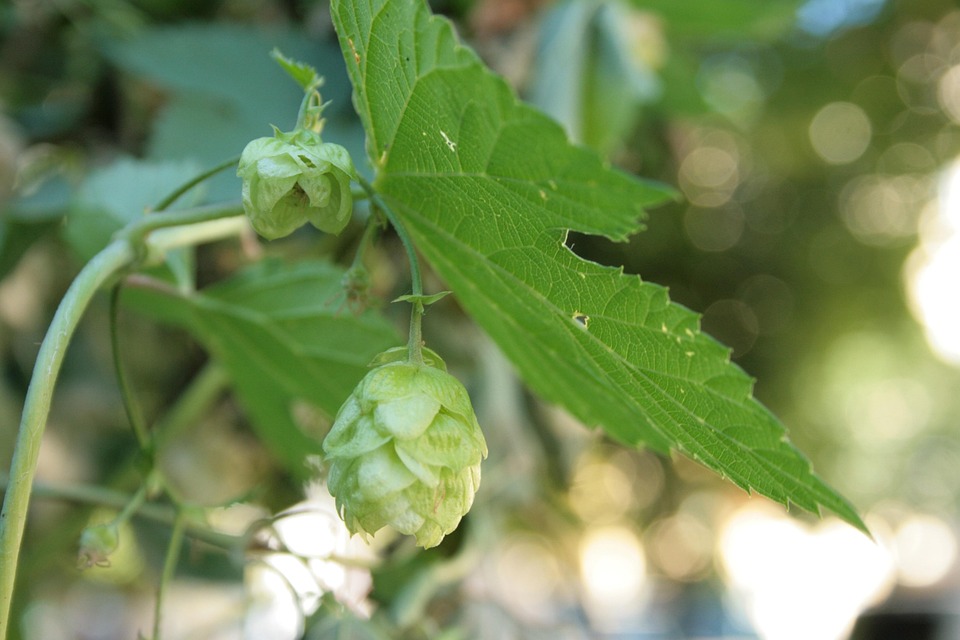
For those seeking a natural remedy, hops tea has emerged as a calming option that can contribute to a more restful night. Hops, often associated with beer brewing, possess unique properties that can help soothe the mind and body. This herbal infusion has been traditionally used to promote relaxation and alleviate insomnia. Incorporating hops tea into your evening routine may serve as a gentle nudge towards achieving better sleep.
The ritual of preparing and enjoying hops tea can also serve as a mindful practice, creating a calming atmosphere that signals to the mind and body that it is time to unwind. The aroma and warmth of the tea can enhance the overall experience, making it not just a beverage but a soothing ritual. By adopting this calming evening routine, individuals may find themselves drifting off to sleep more easily.
Understanding how to effectively use hops tea for improved sleep can make a significant difference. This guide will delve into practical applications, common pitfalls, scientific insights, and lifestyle adjustments to maximize the benefits of this herbal ally.
Contents
How to Use Hops Tea for Real Results
- Best Form: Loose leaf or tea bags
- Best Time: 30 to 60 minutes before bedtime
- Expected Result: Enhanced relaxation and improved sleep quality
Creating a Calming Evening Ritual
The Prep: To create a relaxing hops tea, gather high-quality dried hops flowers, water, and optionally, a sweetener like honey. Using loose leaf hops can enhance the flavor, while tea bags offer convenience. Ensure that the hops are stored in a cool, dark place to maintain their potency.
The Action: Boil water in a kettle and measure about one teaspoon of dried hops for each cup of water. Once the water reaches a rolling boil, remove it from heat and add the hops. Let it steep for about 10 to 15 minutes. Strain the tea into a cup, add honey if desired, and savor the aroma before taking your first sip.
The Feeling: As you sip the warm tea, you’ll likely notice a soothing sensation that envelops you. The earthy, floral notes can create a sense of calm. Expect this sensation to deepen over the next 30 minutes as your body begins to relax, setting the stage for sleep.
Pro Tip: Prepare the tea in a quiet space to enhance the calming effect of your evening ritual.
Incorporating Hops Tea into Your Wind-Down Routine
The Prep: Gather your hops, a teapot, and a cozy blanket. Settle into your favorite chair or spot on the couch. Create an inviting atmosphere with soft lighting or candles to signal to your body that it is time to unwind.
The Action: Begin by boiling water and measuring out the hops. As the tea steeps, take a moment to reflect on your day or practice deep breathing. This enhances the calming effect of the tea. Once steeped, pour the tea into your favorite mug.
The Feeling: The warmth of the tea and the tranquil environment will likely provide a comforting embrace. You may feel a gradual sense of heaviness in your limbs, signaling that it is time to rest. This sensation can last for several hours, often leading to a deeper sleep.
Pro Tip: Consider journaling while you sip the tea to clear your mind of the day’s thoughts.
Using Hops Tea for Stress Relief
The Prep: For this use case, prepare your hops tea as before, but consider adding a calming herb like chamomile or lavender for added benefits. Gather your ingredients and find a quiet space.
The Action: After boiling the water, mix equal parts of hops and your chosen herb. Allow the blend to steep for about 15 to 20 minutes. The combination will enhance the calming properties of the tea.
The Feeling: As you consume the tea, you may experience a gentle wave of relaxation washing over you. This sensation can help soothe anxiety and stress, making it easier to transition into a restful state. The combined effects of the herbs can linger, often carrying you through the night.
Pro Tip: Pair this tea with gentle stretching or meditation to amplify its calming effects.
Common Pitfalls to Avoid with Hops Tea
Using Low-Quality Herbs
Many individuals underestimate the importance of quality when it comes to herbal teas. Low-quality hops can lead to a less effective tea, diminishing the desired calming effects. Always opt for organic or reputable brands that guarantee the purity of their products.
Investing in high-quality hops ensures that you are getting the full range of benefits. Fresh hops retain their essential oils and compounds that contribute to relaxation. Read reviews or consult with herbalists to find the best sources.
Overconsumption of Tea
While hops tea is beneficial, moderation is key. Drinking excessive amounts can lead to potential side effects such as nausea or dizziness. It is advisable to limit consumption to one or two cups in the evening.
Establishing a routine can help maintain balance. Consider tracking your intake to avoid overdoing it. A mindful approach to consumption can enhance the experience without adverse effects.
Neglecting Other Sleep Hygiene Practices
Relying solely on hops tea without incorporating other sleep hygiene practices may not yield the best results. Many factors contribute to restful sleep, including a consistent bedtime routine, a comfortable sleep environment, and limiting screen time before bed.
Integrating hops tea into a broader sleep strategy can significantly enhance its effectiveness. Create a holistic approach that encompasses various practices for optimal results.
The Biological Mechanisms Behind Hops Tea
Hops contain compounds known as alpha acids and essential oils that contribute to their calming effects. These compounds interact with neurotransmitters in the brain, promoting relaxation and reducing anxiety. The incorporation of hops into your evening routine can help signal to the body that it is time to wind down.
The key compound responsible for inducing calmness is 2-methyl-3-buten-2-ol, which has been shown to have sedative properties. This compound can enhance GABA activity, a neurotransmitter that plays a crucial role in regulating sleep and relaxation.
Research supports the calming effects of hops. A study found that hops extract improved sleep quality and reduced symptoms of insomnia. For more in-depth information, refer to this PubMed search on hops and sleep.
Choosing the Right Hops Tea Product
- Potency: Higher potency often correlates with more pronounced effects. Look for products that specify the concentration of active compounds.
- Purity: Ensure the product is free from additives or fillers that could dilute its effectiveness. Organic certifications can be a good indicator of quality.
- Form: Loose leaf teas typically provide a richer flavor and aroma compared to tea bags. Choose the form that best suits your preferences for brewing.
Benefits vs Risks of Hops Tea
| The Benefits | Potential Downsides |
|---|---|
| Promotes relaxation and reduces anxiety | May cause mild nausea if consumed in excess |
| Supports improved sleep quality | Not suitable for everyone, particularly pregnant women |
| Can enhance evening rituals | May interact with certain medications |
Habits to Enhance Your Evening Routine
Establishing a consistent bedtime routine can significantly improve sleep quality. Consider activities such as reading a book or practicing gentle yoga to create a peaceful atmosphere.
Limiting screen time before bed is crucial. The blue light emitted by devices can interfere with melatonin production, making it harder to fall asleep. Aim to disconnect at least an hour before bedtime.
Who Should Avoid This?
- Pregnant or breastfeeding women should consult a healthcare provider before use.
- Individuals with hormone-sensitive conditions should exercise caution.
- Those taking sedative medications should seek medical advice before incorporating hops tea.
Common Questions
Is hops tea safe for daily consumption?
Yes, when consumed in moderation, hops tea is generally safe for daily use. However, it’s best to consult with a healthcare provider if you have specific health conditions.
How long before bed should I drink hops tea?
It is recommended to drink hops tea about 30 to 60 minutes before bedtime to allow its calming effects to take place.
Can I mix hops tea with other herbs?
Absolutely. Mixing hops with calming herbs like chamomile or valerian can enhance the relaxing effects.
What are the signs of overconsumption?
Signs may include nausea, dizziness, or an upset stomach. Limiting intake to one or two cups is advisable.
The Bottom Line
Incorporating hops tea into your evening routine may offer a natural solution for restless sleep.
- The Truth: Not everyone may respond to hops tea in the same way.
- The Strategy: Aim to drink it 30 to 60 minutes before bedtime.
- The Next Step: Consider adding mindfulness practices to your routine for enhanced relaxation.
Get Your FREE Natural Health Guide!
Subscribe now and receive our exclusive ebook packed with natural health tips, practical wellness advice, and easy lifestyle changes, delivered straight to your inbox.