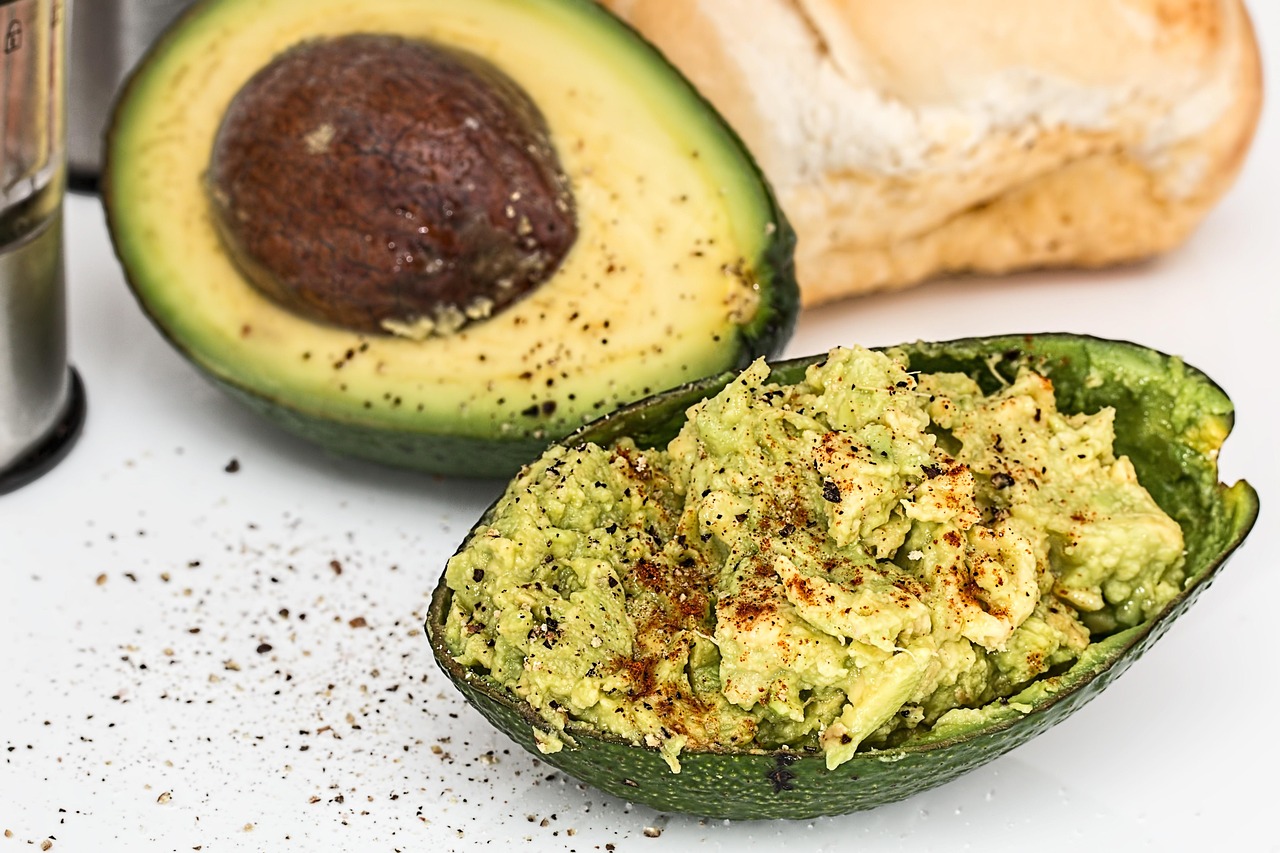

Avocados have carved a niche for themselves in the dietary landscape, especially among those following a ketogenic lifestyle. Their creamy texture and rich flavor make them a favorite. However, it is not just their taste that makes them appealing. The unique nutritional profile of avocados, particularly their potassium content, addresses a common concern for individuals on a keto diet. This diet often leads to imbalances in electrolytes, specifically potassium, which can result in fatigue, muscle cramps, and other health issues.
Many people may not realize the significance of maintaining adequate potassium levels while adhering to a low-carb regimen. When carbohydrate intake is reduced, the body undergoes several metabolic changes. These changes can lead to increased fluid loss and a subsequent drop in potassium levels. This is where avocados shine as a potassium powerhouse, offering a delicious way to replenish electrolytes.
In addition to potassium, avocados are rich in healthy fats, fiber, and various vitamins and minerals. These elements contribute to overall wellness while supporting the specific needs of a keto diet. Incorporating avocados into daily meals not only enhances flavor but also helps maintain the body’s balance of essential nutrients.
Understanding how to effectively use avocados in your diet can help maximize their health benefits. This guide will explore practical applications, common pitfalls, scientific backing, and more, ensuring you get the most out of this remarkable fruit.


Contents
How to Use Avocados for Real Results
- Best Form: Fresh or mashed avocado
- Best Time: With meals or as a snack
- Expected Result: Increased potassium intake and improved energy levels
For Daily Protection
The Prep: Start with ripe avocados. You will need one avocado, a pinch of salt, and some lime juice. Gather a bowl and a fork for mashing.
The Action: Cut the avocado in half, remove the pit, and scoop the flesh into a bowl. Add a pinch of salt and a few drops of lime juice. Mash the mixture until smooth. Spread it on low-carb bread or use it as a dip for veggies.
The Feeling: The creamy texture will coat your mouth pleasantly. The salt and lime will enhance the flavor, leaving a refreshing taste that lingers for a few minutes.
Pro Tip: Adding herbs like cilantro or parsley can elevate the flavor and add more nutrients.
As a Pre-Workout Snack
The Prep: You will need one avocado, a tablespoon of nut butter, and a sprinkle of cinnamon. Prepare a small bowl and a spoon for mixing.
The Action: Cut the avocado in half and remove the pit. Scoop out the flesh into the bowl. Add the nut butter and sprinkle with cinnamon. Mix until well combined. Enjoy directly from the bowl or spread it on a low-carb tortilla.
The Feeling: The rich, nutty flavor combined with the creamy avocado will provide a satisfying experience. You will feel a gradual boost in energy without the crash associated with high-carb snacks.
Pro Tip: Pairing this with a handful of nuts can enhance the protein content and keep you fuller for longer.
The Evening Wind Down
The Prep: Gather one ripe avocado, a tablespoon of olive oil, and a pinch of garlic powder. Have a small bowl and a fork ready.
The Action: Cut the avocado and scoop the flesh into the bowl. Drizzle olive oil over it and add garlic powder. Mash everything together until smooth. Use this as a topping for grilled chicken or fish.
The Feeling: The creamy avocado mixed with olive oil creates a rich mouthfeel. The garlic adds a savory touch that will linger, making your meal satisfying and comforting.
Pro Tip: Adding a squeeze of lemon juice can enhance flavor and increase vitamin C content.
Avoiding Common Pitfalls
Neglecting Quality
Using low-quality avocados can lead to subpar nutritional benefits. Not all avocados are created equal. Overripe or underripe avocados may lack flavor and essential nutrients. Choose avocados that are firm yet yield slightly to pressure.
A ripe avocado should have a dark green to black skin, depending on the variety. If you find yourself with an underwhelming avocado, consider returning it for a fresher batch. Quality matters in retaining the nutritional value and taste.
Overlooking Preparation Methods
Many individuals mistakenly think that avocados can only be consumed as guacamole. While guacamole is delicious, avocados are versatile and can be incorporated into various dishes. Overlooking alternative preparation methods limits your culinary creativity and the health benefits you can reap.
Experiment with different recipes. You can blend avocados into smoothies, use them as a base for salad dressings, or simply slice them into salads. This variety not only keeps meals interesting but also ensures you maximize your potassium intake.
Ignoring Portion Sizes
While avocados are nutrient-dense, they are also high in calories. Consuming excessive amounts can lead to an unbalanced diet. Many people mistakenly believe that because avocados are healthy, they can eat them in unlimited quantities.
Be mindful of portion sizes. Aim for half an avocado per serving, especially if you are tracking caloric intake. This approach allows you to enjoy the health benefits without overindulging.
The Biological Mechanism Behind Avocados
Avocados are rich in potassium, playing a crucial role in regulating fluid balance, nerve function, and muscle contractions. Potassium helps counteract the effects of sodium, which is vital for maintaining healthy blood pressure levels.
When following a ketogenic diet, the body may experience increased sodium loss due to reduced carbohydrate intake. This can lead to a potassium deficit, resulting in symptoms like fatigue and muscle cramps. Consuming potassium-rich foods like avocados can help mitigate these effects.
The key compound in avocados responsible for their potassium content is potassium itself. A single avocado can provide approximately 975 milligrams of potassium, significantly contributing to the recommended daily intake, which varies by age and gender.
Clinical studies have shown that potassium intake is associated with various health benefits, including improved cardiovascular health and reduced risk of stroke. For more detailed information, you can refer to the National Institutes of Health’s potassium fact sheet for consumers: NIH ODS Fact Sheet.
Choosing the Right Product
- Potency: Ensure that the avocados are fresh and ripe, as this maximizes their nutritional potency.
- Purity: Look for organic avocados free from pesticides and chemicals to ensure you are consuming pure fruit.
- Form: Fresh avocados are preferable, but if unavailable, consider high-quality avocado oil as a substitute.
Understanding the Trade-Offs
| The Benefits | Potential Downsides |
|---|---|
| Rich source of potassium, aiding in electrolyte balance. | High in calories, which may lead to weight gain if overconsumed. |
| Contains healthy fats, promoting heart health. | Some individuals may be allergic to avocados. |
| Versatile ingredient, can be used in numerous dishes. | May contribute to digestive discomfort in sensitive individuals. |
Incorporating Healthy Habits
Focusing on hydration is crucial when consuming potassium-rich foods. Drinking adequate water helps facilitate potassium absorption and utilization in the body.
Pairing avocados with other low-carb, nutrient-dense foods can enhance overall health. Combining them with leafy greens and nuts can create a balanced meal that supports the needs of a ketogenic diet.
Who Should Avoid This?
– Individuals with potassium-sparing diuretics should consult a healthcare provider before increasing potassium intake.
– Those with kidney issues should monitor potassium consumption, as it can lead to complications.
– People with known allergies to avocados should avoid them entirely.
Common Questions
Can I eat too many avocados on a keto diet?
Yes, while avocados are healthy, consuming them in excess can lead to high caloric intake, which may hinder weight loss goals.
What is the best way to store avocados?
Store unripe avocados at room temperature. Once ripe, refrigerate to prolong freshness.
Are there any alternatives to avocados for potassium?
Yes, alternatives include spinach, sweet potatoes, and bananas. However, these may not fit a strict keto diet.
How often should I include avocados in my diet?
Incorporating half an avocado several times a week can help maintain adequate potassium levels without excessive caloric intake.
The Bottom Line
Avocados are an excellent addition to a ketogenic diet, providing essential potassium and healthy fats.
- The Truth: While avocados are nutritious, moderation is key due to their calorie density.
- The Strategy: Aim to include them in meals or snacks to optimize potassium intake.
- The Next Step: Experiment with avocado recipes to discover new ways to enjoy this versatile fruit.
Get Your FREE Natural Health Guide!
Subscribe now and receive our exclusive ebook packed with natural health tips, practical wellness advice, and easy lifestyle changes, delivered straight to your inbox.