
When muscle bruises occur, they can be a source of discomfort and frustration. The skin may show discoloration, swelling, and tenderness. These symptoms can impede daily activities and affect overall well-being. Finding effective remedies is crucial for managing bruising and promoting healing. One natural solution that has gained attention is arnica oil.

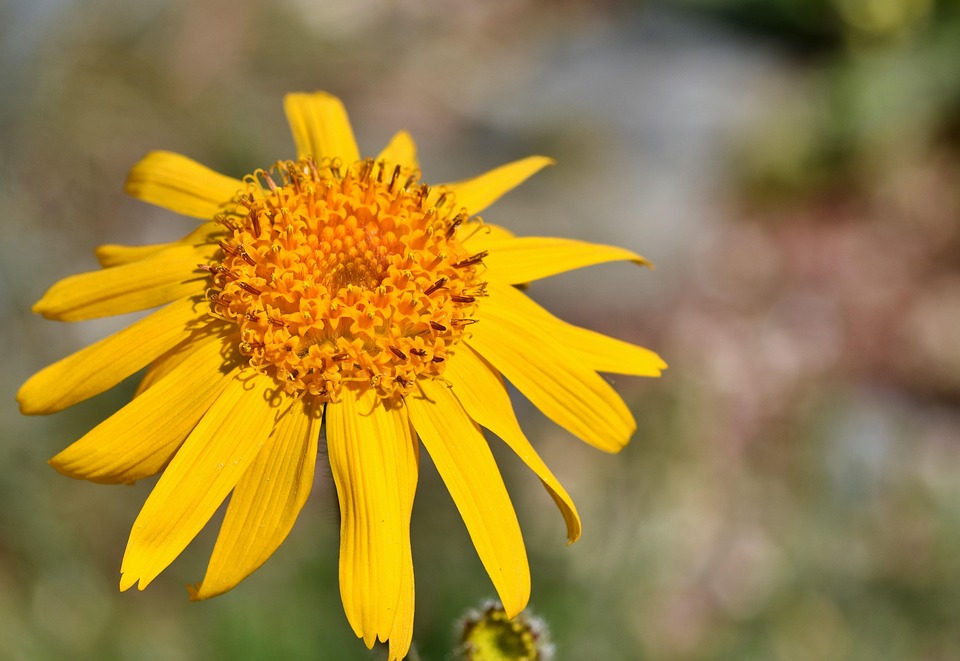
Arnica oil is derived from the flowers of the arnica montana plant, known for its anti-inflammatory and analgesic properties. Many individuals seek alternative treatments that are less invasive and more aligned with holistic health principles. Using arnica oil for muscle bruises not only addresses the physical symptoms but also promotes a more comprehensive approach to wellness.
Incorporating arnica oil into your routine can be straightforward and rewarding. It offers a way to alleviate pain and accelerate healing without relying on synthetic medications. Understanding how to effectively use this oil can enhance its benefits and improve your recovery experience.
This guide delves into the practical application of arnica oil, common mistakes to avoid, the science behind its effectiveness, and essential tips for choosing the right product. Embracing this natural remedy can empower you to tackle muscle bruises head-on and reclaim your vitality.
Contents
How to Use Arnica Oil for Real Results
- Best Form: Oil or topical gel
- Best Time: Immediately after injury
- Expected Result: Reduced pain and swelling
For Daily Protection
The preparation for daily use of arnica oil involves gathering the right ingredients. You will need pure arnica oil, a clean cotton ball or pad, and optional carrier oil such as coconut or jojoba oil. The carrier oil can help dilute the arnica oil, making it gentler on the skin, especially for those with sensitive skin.
Begin by mixing a few drops of arnica oil with a carrier oil in a small bowl. This mixture should be applied gently to the affected area. Ensure that the skin is clean and dry before application.
As you apply the oil, you may feel a slight warming sensation followed by a cooling effect. This combination can provide immediate relief and promote blood flow to the area. The effects can last for several hours, allowing you to go about your day with reduced discomfort.
Pro Tip: Apply arnica oil twice daily for the best results in reducing bruising and pain.
Targeting Acute Pain
When dealing with acute pain from a recent bruise, preparation is crucial. Gather arnica oil, a clean cloth, and an ice pack. The cloth will help apply the oil without direct contact, which can be helpful if the skin is bruised and sensitive.
Start by placing the ice pack on the bruise for about 10 minutes to reduce swelling. Afterward, apply a few drops of arnica oil onto the cloth. Gently dab the oil onto the bruised area. Avoid vigorous rubbing to prevent further irritation.
Upon application, you may experience a tingling sensation as the oil penetrates the skin. This feeling can last for a short while, providing a sense of relief. The anti-inflammatory properties of arnica oil will begin to take effect, helping to alleviate pain and speed up healing.
Pro Tip: Use this method within the first 48 hours after injury for maximum effectiveness.
The Nighttime Routine
Incorporating arnica oil into your nighttime routine can enhance recovery during sleep. You will need arnica oil, a soothing lotion, and a clean towel. The lotion can help lock in moisture and provide an extra layer of comfort.
Before bed, mix a few drops of arnica oil with your soothing lotion. Apply this mixture to the bruised area using gentle circular motions. Make sure to cover the entire bruise for even absorption.
As you apply the mixture, you might feel a soothing warmth followed by a cooling sensation. This dual effect can help relax your muscles and promote a restful night. Expect the calming effects to last through the night, providing you with relief as you sleep.
Pro Tip: Allow the mixture to absorb for at least 30 minutes before covering the area to maximize its benefits.
Common Errors to Avoid
Using Low Quality Products
One significant mistake is using low-quality arnica oil. Many products on the market may contain additives or synthetic ingredients that dilute the effectiveness of arnica. These lower-quality oils may not provide the desired relief and can even cause skin irritation.
To avoid this issue, always choose arnica oil that is labeled as pure and organic. Look for products that specify the concentration of arnica extract and avoid those with artificial fragrances or fillers. Investing in high-quality arnica oil ensures that you receive the full benefits of this natural remedy.
Applying Too Much Oil
Another common error is the excessive application of arnica oil. Many people assume that more product equals better results. However, using too much can lead to skin irritation or allergic reactions.
When applying arnica oil, a small amount goes a long way. A few drops are usually sufficient for most bruises. If you are unsure, start with less and gradually increase if needed. This cautious approach will help you avoid adverse effects while still enjoying the benefits of arnica.
Neglecting Skin Sensitivity
Ignoring skin sensitivity is a mistake that can hinder your healing process. Some individuals may have sensitive skin that reacts poorly to topical applications. This can lead to redness, itching, or discomfort.
Always conduct a patch test before applying arnica oil to a larger area. Apply a small amount to a discreet part of your skin and wait 24 hours to check for any adverse reactions. If sensitivity occurs, consider diluting the oil with a carrier oil or opting for arnica-infused creams that may be gentler on the skin.
The Science Behind Arnica Oil
Arnica oil works through several biological mechanisms that contribute to its effectiveness in treating bruises. The primary action is its anti-inflammatory property, which helps reduce swelling and pain. When applied topically, the active compounds in arnica penetrate the skin and interact with the body’s inflammatory pathways.
The key compound in arnica oil is helenalin, a sesquiterpene lactone known for its potent anti-inflammatory and analgesic effects. This compound helps modulate the inflammatory response, thereby decreasing pain and promoting healing in bruised tissues.
Clinical studies support the efficacy of arnica oil in treating bruises and muscle soreness. Research indicates that topical application of arnica can significantly reduce symptoms associated with bruising and pain. For further reading, you can explore studies on this topic through PubMed.
Choosing the Right Product
- Potency: Higher potency often means more effective results. Look for products with a higher concentration of arnica extract.
- Purity: Ensure the product is free from additives and synthetic ingredients. Pure arnica oil delivers the best therapeutic benefits.
- Form: Choose between oil, gel, or cream based on your preference. Some forms may be more suitable for specific applications or skin types.
Benefits vs Risks
| The Benefits | Potential Downsides |
|---|---|
| Natural remedy for bruising and pain relief | Possible skin irritation for sensitive individuals |
| Reduces inflammation effectively | Quality varies widely among products |
| Easy to use and incorporate into daily routine | Not suitable for open wounds |
Habits to Enhance Recovery
Incorporating gentle stretching into your routine can enhance blood flow to bruised areas. This practice can help expedite healing and maintain flexibility.
Staying hydrated is crucial for overall recovery. Adequate water intake supports cellular function and helps flush out toxins, which can contribute to a quicker healing process.
Who Should Avoid This?
- Individuals with known allergies to plants in the Asteraceae family
- Pregnant or breastfeeding women without consulting a healthcare provider
- People with open wounds or broken skin in the application area
Common Questions
How often should I apply arnica oil?
It is typically recommended to apply arnica oil two to three times daily for optimal results.
Can I use arnica oil on open wounds?
No, arnica oil should not be applied to open wounds as it can cause irritation and delay healing.
Is arnica oil safe for children?
Arnica oil should be used with caution in children. Always consult a pediatrician before use.
How long does it take to see results?
Most individuals report noticeable improvements within 24 to 48 hours after application.
The Bottom Line
Using arnica oil can be an effective natural solution for muscle bruises.
- The Truth: The effectiveness of arnica oil can vary based on individual skin sensitivity and product quality.
- The Strategy: Apply arnica oil immediately after injury for the best results.
- The Next Step: Consider incorporating gentle stretching and hydration into your recovery routine.
Get Your FREE Natural Health Guide!
Subscribe now and receive our exclusive ebook packed with natural health tips, practical wellness advice, and easy lifestyle changes, delivered straight to your inbox.