
Sipping on something soothing can be an essential ritual for those who experience menstrual cramps. The discomfort can range from mild annoyance to debilitating pain, often affecting daily activities. While over-the-counter medications are commonly used, many seek natural alternatives that offer relief without side effects. Ginger tea has emerged as a popular choice due to its historical use in various cultures for alleviating pain and promoting overall wellness. This guide delves into how ginger tea can ease menstrual cramps effectively.
Understanding the underlying biological processes can empower individuals to make informed choices regarding their health. Menstrual cramps, medically known as dysmenorrhea, occur when the uterus contracts to shed its lining. This process is influenced by the release of prostaglandins, which can lead to inflammation and heightened pain sensations. Ginger contains properties that may counteract these effects, making it a valuable ally during this time of the month.
Incorporating ginger tea into a wellness routine can be simple and enjoyable. The warmth of the tea can provide comfort, while the ginger root boasts anti-inflammatory and analgesic properties that may significantly reduce pain. This guide will explore practical applications, common mistakes to avoid, and the science behind ginger’s efficacy in easing menstrual cramps.
The journey toward relief can be both holistic and empowering. By understanding how to use ginger tea effectively, individuals can take proactive steps toward managing their menstrual discomfort and enhancing their overall quality of life.
Contents
How to Use Ginger Tea for Real Results
- Best Form: Fresh ginger root.
- Best Time: Start drinking two days before your period.
- Expected Result: Reduced pain and inflammation.
For Daily Protection
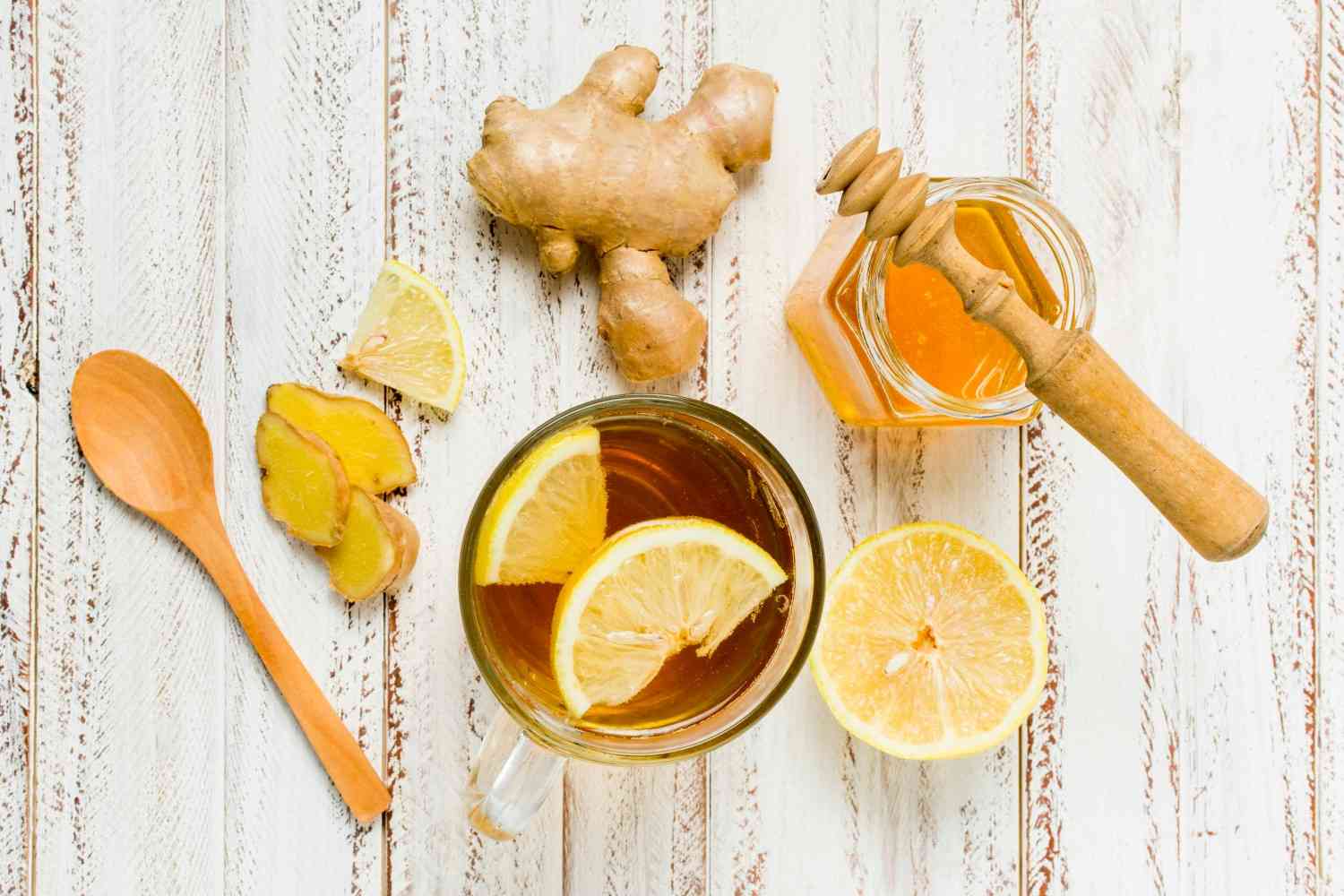
The preparation begins with fresh ginger root, which is more potent than dried forms. You will need about one to two inches of ginger, peeled and sliced. Bring two cups of water to a boil in a saucepan and add the ginger slices. Allow it to simmer for about 10 to 15 minutes to extract the beneficial compounds fully.
Once the brewing time is up, strain the tea into your favorite mug. You can add honey or lemon for flavor if desired. Sip slowly to enjoy the warmth and aroma, allowing the ginger’s natural properties to start working.
As you drink, you may feel a warming sensation spread through your body. This is the ginger working to promote blood circulation and reduce inflammation. The effects may last for several hours, providing a comforting relief from cramps.
Pro Tip: Prepare a larger batch and store it in the refrigerator. Reheat as needed for quick access during your cycle.
Targeting Acute Pain
For acute pain, you will want to increase the concentration of ginger in your tea. Start with the same amount of fresh ginger but add an extra cup of water. Bring it to a boil and let it steep for 20 minutes.
Strain the tea and consider adding a pinch of cayenne pepper. This spice can enhance blood flow and provide additional pain relief. Drink this concentrated tea at the first signs of cramps for maximum effectiveness.
The heat from the tea combined with the ginger’s properties can create a tingling sensation in your abdomen. This feeling signifies that the tea is actively working on the pain. You may notice a significant reduction in discomfort within 30 minutes to an hour.
Pro Tip: Pair your tea with a heating pad on your abdomen for enhanced relief.
The Nighttime Routine
Creating a nighttime ritual with ginger tea can be beneficial for easing cramps that disrupt sleep. Use one to two inches of fresh ginger, peel and slice it, and add it to boiling water as you would for daily protection. Allow it to steep for 15 minutes and then strain.
For added relaxation, consider including chamomile or lavender in your tea blend. Both herbs promote sleep and can help ease tension.
Sipping this soothing tea before bed can create a calming sensation, preparing your body for rest. You may feel warmth not just in your abdomen but also throughout your body. This soothing effect can last several hours, allowing for a more restful sleep.
Pro Tip: Keep a journal by your bed to note any changes in your symptoms, which can help you tailor your routine further.
Avoiding Common Mistakes
Using Low-Quality Herbs
Opting for low-quality ginger can diminish the tea’s effectiveness. Fresh ginger root is far superior to powdered or inferior-grade products. Fresh ginger contains higher levels of active compounds that provide relief, while dried forms may lose potency over time.
To ensure maximum benefits, purchase organic ginger from a reputable source. This guarantees that you are not consuming pesticides or other harmful chemicals.
Neglecting Preparation Time
Rushing the brewing process can lead to ineffective ginger tea. Many people underestimate the importance of allowing ginger to steep long enough to extract its beneficial compounds. A short brew time may result in a weak flavor and reduced health benefits.
Take the time to prepare your tea properly. Allowing it to steep for at least 10 to 20 minutes will yield a more potent drink that can better alleviate cramps.
Ignoring Personal Sensitivities
Some individuals may find that ginger causes stomach upset or heartburn. Listening to your body is crucial. If you experience any discomfort after consuming ginger tea, it may be wise to reduce the amount or frequency of consumption.
Always start with a small amount to gauge your body’s reaction. If discomfort persists, consult a healthcare professional for personalized advice.
The Science Behind Ginger’s Efficacy
The biological mechanism by which ginger alleviates menstrual cramps is primarily attributed to its anti-inflammatory properties. Ginger acts on the body’s inflammatory response by inhibiting the production of prostaglandins, which are responsible for uterine contractions and pain. This helps to reduce both the intensity and duration of cramps.
Ginger contains several key compounds, including gingerol and shogaol, which contribute to its pain-relieving effects. These compounds have been shown to exert anti-inflammatory and analgesic effects in various studies. Their ability to modulate pain pathways makes ginger a powerful natural remedy for menstrual discomfort.
Clinical evidence supports the efficacy of ginger for menstrual pain relief. A systematic review published on PubMed shows that ginger can significantly reduce the severity of menstrual cramps compared to placebo treatments. For more information, you can visit this link.
Choosing the Right Product
- Potency: Higher potency ensures more active compounds are present, enhancing effectiveness.
- Purity: Look for organic, non-GMO products to avoid harmful additives and chemicals.
- Form: Fresh ginger is often more effective than dried forms due to higher levels of beneficial compounds.
Benefits and Potential Downsides
| The Benefits | Potential Downsides |
|---|---|
| Reduces menstrual pain and discomfort. | May cause digestive upset in some individuals. |
| Natural anti-inflammatory properties. | Can interact with certain medications. |
| Promotes overall wellness and relaxation. | Not suitable for everyone, especially those with specific sensitivities. |
Habits That Enhance Relief
Incorporating regular exercise into your routine can significantly enhance the effectiveness of ginger tea. Physical activity helps to release endorphins, which are natural painkillers and mood enhancers.
Maintaining a balanced diet rich in anti-inflammatory foods can also support overall menstrual health. Foods like leafy greens, nuts, and fatty fish complement the benefits of ginger tea and can further alleviate menstrual cramps.
Who Should Avoid This?
– Individuals with gallstones or bile duct obstruction.
– Pregnant women should consult a healthcare provider before consuming ginger.
– Those on blood-thinning medications should exercise caution due to ginger’s blood-thinning properties.
– Individuals with known allergies to ginger or related plants.
Common Questions
How often should I drink ginger tea for cramps?
Drinking ginger tea two to three times a day during your menstrual cycle can provide optimal relief.
Can I drink ginger tea if I am pregnant?
Consult your healthcare provider before consuming ginger tea during pregnancy, as individual reactions may vary.
Is there a specific type of ginger that works best?
Fresh ginger root is generally more effective than powdered forms for pain relief.
How long before my period should I start drinking ginger tea?
Start drinking ginger tea two days before your expected period to maximize its pain-relieving effects.
The Bottom Line
Ginger tea offers a natural and effective way to relieve menstrual cramps.
- The Truth: While many find relief, individual responses may vary.
- The Strategy: Begin drinking ginger tea two days before your period for best results.
- The Next Step: Consider integrating regular exercise and a balanced diet for enhanced relief.
Get Your FREE Natural Health Guide!
Subscribe now and receive our exclusive ebook packed with natural health tips, practical wellness advice, and easy lifestyle changes, delivered straight to your inbox.