
Nourishing your bones is a critical aspect of maintaining overall health, yet many people overlook the importance of dietary choices in this endeavor. As we age, our bone density naturally declines, making it essential to incorporate nutrient-dense foods into our diets. One often underestimated source of these nutrients is nuts, particularly cashews and other mineral-rich varieties. These powerhouses not only provide essential minerals but also deliver healthy fats and protein, making them a perfect addition to any wellness routine.
The challenge lies in knowing how to effectively integrate these nuts into daily life. Many individuals struggle with bone health due to insufficient calcium, magnesium, and other vital minerals. The good news is that nuts like cashews can help bridge this gap. By understanding the specific nutrients they offer, you can make informed decisions that bolster your bone health over time.
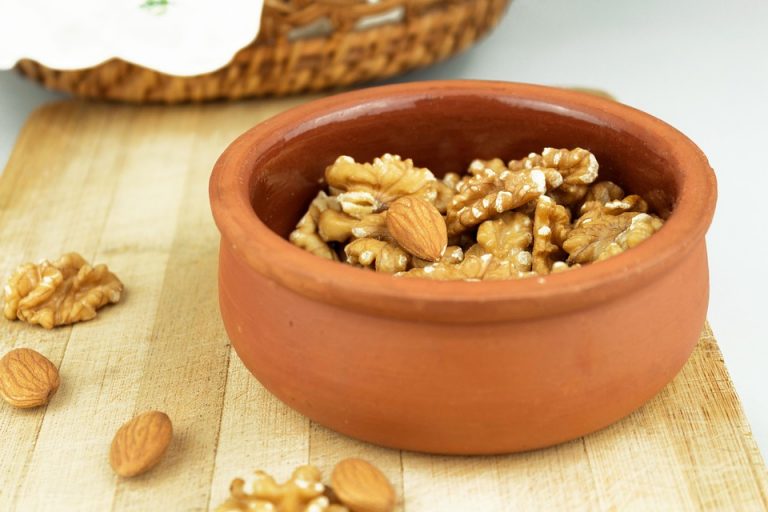
Cashews are particularly rich in magnesium, which plays a significant role in bone formation and maintenance. This mineral works in tandem with calcium, ensuring that bones remain strong and resilient. Furthermore, other nuts such as almonds and Brazil nuts also contribute essential nutrients that support bone structure. By diversifying your nut intake, you can create a more balanced diet that promotes optimal bone health.
Embracing a holistic approach to wellness means not just focusing on exercise but also prioritizing nutrition. The right foods can make a substantial difference in how your body functions. By incorporating cashews and other mineral-rich nuts into your diet, you can take proactive steps toward nourishing your bones and enhancing your overall well-being.
Contents
How to Use Cashews for Real Results
- Best Form: Raw or lightly roasted cashews
- Best Time: Morning or as a snack
- Expected Result: Improved mineral intake for bone health
For Daily Protection
The Prep: Start your day with a handful of raw or lightly roasted cashews. You can also add them to your morning smoothie. Combine one cup of your favorite plant-based milk, one banana, and a tablespoon of nut butter for added creaminess. This setup ensures you get a balanced intake of essential nutrients.
The Action: Blend the ingredients until smooth. Pour the mixture into a glass and sprinkle a few extra cashews on top for added texture. Enjoy this nutrient-packed drink as part of your breakfast routine.
The Feeling: As you sip, you will experience a creamy, rich texture that is both satisfying and energizing. The lasting energy from the cashews will keep you feeling full and focused for hours.
Pro Tip: Soak cashews overnight for a creamier texture in smoothies.
Targeting Acute Pain
The Prep: If you are experiencing joint discomfort, consider making a cashew-based paste. Gather one cup of soaked cashews, a tablespoon of olive oil, and a pinch of salt. This simple mixture will provide essential fatty acids and minerals.
The Action: Blend the soaked cashews with olive oil and salt until a smooth paste forms. You can use this paste as a dip for vegetables or spread it on whole-grain crackers. This will help reduce discomfort and inflammation.
The Feeling: Upon consuming this paste, you may notice a soothing sensation, as the healthy fats work to reduce inflammation. The effects can last for several hours, providing relief throughout your day.
Pro Tip: Add a dash of turmeric to enhance the anti-inflammatory properties.
The Nighttime Routine
The Prep: Wind down your day with a calming cashew-based herbal tea. Prepare a cup of warm milk and mix in a tablespoon of cashew butter along with a sprinkle of cinnamon.
The Action: Stir the mixture until well combined. Enjoy this soothing drink about an hour before bedtime to promote relaxation and improve sleep quality.
The Feeling: As you sip this warm beverage, a sense of calm may envelop you. The combination of cashews and warm milk can help ease tension, making it easier to drift off to sleep.
Pro Tip: Consider adding a few drops of vanilla extract for enhanced flavor.
Avoiding Common Pitfalls
Using Low-Quality Nuts
Many people overlook the quality of nuts they consume. Low-quality cashews may be stale or treated with unhealthy oils. These factors can diminish their nutritional value and negatively impact your health.
Selecting high-quality, raw or lightly roasted cashews ensures you receive maximum nutrients. Look for organic options whenever possible to avoid pesticides and additives that can interfere with your wellness goals.
Neglecting Variety
Relying solely on one type of nut can lead to nutrient imbalances. Different nuts provide varying minerals essential for bone health. For instance, while cashews are rich in magnesium, almonds offer significant vitamin E, which also supports bone health.
Incorporating a variety of nuts into your diet, including almonds, walnuts, and Brazil nuts, can help you achieve a more balanced intake of essential nutrients. This diversity supports overall wellness and enhances bone strength.
Overconsumption
While nuts are nutritious, they are also calorie-dense. Overeating can lead to unwanted weight gain, which may place additional stress on your bones and joints.
Portion control is key. Aim for a small handful or approximately 1 ounce per serving. This ensures you enjoy the benefits without overindulging.
The Science Behind Bone Health
Bone health is primarily influenced by biological mechanisms that rely on various nutrients. Calcium is often highlighted, but magnesium also plays a crucial role. It helps regulate calcium levels in the body and contributes to bone mineralization. Without adequate magnesium, bones may become weak and brittle.
Key compounds in cashews, such as magnesium and phosphorus, are essential for maintaining bone density. Magnesium helps in the conversion of vitamin D into its active form, which is necessary for calcium absorption. Phosphorus works alongside calcium to form hydroxyapatite, the mineral complex that gives bones their strength.
Research supports the importance of these minerals for bone health. A study published in the Journal of Bone and Mineral Research highlights the correlation between magnesium intake and bone mineral density. For further reading, visit NIH ODS Fact Sheet on Magnesium.
Choosing the Right Product
- Potency: Ensure the nuts are packed with nutrients. Higher potency means better health benefits.
- Purity: Look for organic certifications. This reduces the risk of harmful additives and pesticides.
- Form: Raw or lightly roasted nuts are preferable to maintain their nutritional integrity.
Weighing the Benefits and Risks
| The Benefits | Potential Downsides |
|---|---|
| Rich in essential minerals like magnesium and calcium | Calorie-dense, which may lead to weight gain if overconsumed |
| Support heart health through healthy fats | Potential allergies in some individuals |
| Versatile and easy to incorporate into various meals | Quality may vary significantly between brands |
Integrating Healthy Habits
Incorporating regular physical activity into your routine is vital for bone health. Weight-bearing exercises, such as walking or resistance training, can strengthen bones and improve overall well-being.
Mindfulness practices like yoga can also enhance flexibility and reduce stress, further supporting bone health. Combining these habits with a nutrient-rich diet can yield significant benefits.
Who Should Avoid This?
– Individuals with nut allergies
– Those on a low-calorie diet
– People with certain gastrointestinal disorders
– Individuals with kidney issues should consult a healthcare provider
Common Questions
Can cashews help with osteoporosis?
Cashews contain essential minerals that support bone health, which may help in managing osteoporosis when part of a balanced diet.
How many cashews should I eat daily?
A small handful, or about 1 ounce, is generally recommended for optimal health benefits without excessive calorie intake.
Are roasted cashews less nutritious?
Lightly roasted cashews retain most of their nutrients, but avoid those cooked in unhealthy oils or excessively roasted.
Can I eat cashews if I have a nut allergy?
If you have a nut allergy, it is crucial to avoid cashews and consult a healthcare provider regarding safe alternatives.
The Bottom Line
Incorporating cashews and other mineral-rich nuts into your diet can significantly enhance your bone health.
- The Truth: While beneficial, nuts should be consumed in moderation.
- The Strategy: Enjoy them as part of a balanced diet, ideally in the morning or as snacks.
- The Next Step: Aim to diversify your nut intake for a broader range of nutrients.
Get Your FREE Natural Health Guide!
Subscribe now and receive our exclusive ebook packed with natural health tips, practical wellness advice, and easy lifestyle changes, delivered straight to your inbox.