Unlocking the Potential of Aloe Vera Juice for Gum Comfort
Maintaining oral wellness involves a focused approach to gum health. Many people explore natural components to support their daily routines. Aloe vera, a plant revered through centuries, often emerges in these discussions.
Its succulent leaves house a gel that provides a range of compounds. When prepared as a juice, these substances become accessible for various applications, including those focused on oral care.
Understanding how aloe vera juice interacts with gum tissue can inform its thoughtful integration into a personal wellness regimen. This guide explores the historical context, the core components, and practical considerations for its use.
A Historical Perspective on Aloe Vera in Wellness
Aloe vera has a long and storied history, with its use documented across various ancient civilizations. Egyptians, Greeks, and Romans recognized its potential for different applications. This long-standing tradition suggests an enduring human interest in its properties.
Records from ancient Egypt, specifically the Ebers Papyrus around 1550 BC, detail various uses for aloe. Known as the “plant of immortality,” it played a role in their traditional practices. Similarly, Greek physicians like Dioscorides and Pliny the Elder wrote extensively about its benefits in their texts.
These early uses often centered on topical applications and internal consumption, reflecting a broad recognition of the plant’s attributes. The continuity of its use through generations highlights its perceived value in supporting well-being. Modern investigations now delve into the specific compounds responsible for these long-observed effects.
- Ancient Cultures: Egyptians, Greeks, Romans, Indians, Chinese.
- Key Historical Texts: Ebers Papyrus, De Materia Medica, Naturalis Historia.
- Primary Applications: Topical skin support, internal wellness drinks.
- Cultural Significance: Revered for its perceived healing and soothing properties.
Traditional Application Methods
Historically, people often applied the gel directly from a freshly cut leaf. For internal use, they might consume the gel or a simple water extract. These methods provided a direct way to utilize the plant’s inherent characteristics.
The Biochemical Foundation: Active Compounds in Aloe Vera
The remarkable properties attributed to aloe vera stem from its rich biochemical composition. The inner gel of the leaf contains over 75 active compounds. These components work together in complex ways, contributing to the plant’s overall profile.
Key among these are various polysaccharides, particularly acemannan. This complex carbohydrate is a significant component of the inner leaf gel. Other notable compounds include anthraquinones, enzymes, vitamins, minerals, and amino acids.
Each of these categories contributes distinct qualities. For instance, enzymes such as bradykinase are present, along with vitamins like C and E, and essential minerals. The intricate balance of these substances is what defines aloe vera’s biological activity.
- Primary Polysaccharide: Acemannan.
- Other Key Groups: Anthraquinones, enzymes, vitamins, minerals, amino acids, salicylic acid.
- Synergistic Action: Compounds work in concert, not in isolation.
- Concentration: Varies based on plant age, growing conditions, processing.
Compound Isolation and Focus
Modern scientific exploration often involves isolating these compounds to understand their individual effects. However, the full impact of aloe vera is generally considered to arise from the synergistic activity of its entire matrix of components.
How Aloe Vera Juice May Support Gum Comfort
The intricate blend of compounds in aloe vera juice may contribute to a sense of gum comfort and overall oral wellness. Its properties are often discussed in the context of maintaining a balanced oral environment. Many people explore aloe vera juice as part of their routine to support healthy gum tissue.
The polysaccharides, particularly acemannan, are a significant focus when considering gum health. These complex sugars are thought to interact with the body’s natural processes, potentially contributing to feelings of comfort in the gum tissue. This interaction is often discussed in relation to general cellular support.
Furthermore, certain compounds within aloe vera, such as anthraquinones, possess properties that may contribute to a clean oral environment. Maintaining this cleanliness is fundamental to supporting gum comfort. The presence of vitamins and minerals also provides general nutritional support to the oral tissues.
- Target Area: Gum tissue, oral mucosa.
- Key Mechanism (General): Supports a balanced oral environment.
- Primary Benefit (Reframed): Contributes to feelings of gum comfort.
- Component Focus: Polysaccharides (acemannan), anthraquinones, vitamins, minerals.
Usage Recommendation
To explore this benefit, people often rinse their mouths with a small amount of aloe vera juice. Some choose to swish it gently for a short period, then expel it.
Choosing the Right Aloe Vera Juice for Oral Care
The efficacy of aloe vera juice for gum comfort depends significantly on the product’s quality. Not all aloe vera juices are created equal; processing methods and ingredient purity play crucial roles. Selecting a product specifically designed for internal use, often labeled as “drinkable” or “edible,” is a key consideration.
Look for products that indicate a high percentage of inner leaf gel. The inner gel is where the beneficial polysaccharides like acemannan are concentrated. Products that use whole leaf aloe vera may contain the outer rind, which holds compounds like aloin, sometimes associated with laxative effects.
Processing methods matter. Cold-pressed or minimally processed juices tend to retain more of the delicate active compounds. Ensuring the product is free from added sugars, artificial colors, and flavors is also vital for oral health purposes. A pure product provides the most direct interaction with the beneficial components.
- Quality Indicator: High percentage of inner leaf gel.
- Processing Method: Cold-pressed, minimally processed.
- Ingredient Purity: No added sugars, artificial colors, or flavors.
- Certification: Look for third-party certifications of purity and content, if available.
Selection Guidance
Always review the ingredient label carefully, prioritizing those products that specify purification to remove aloin and other undesirable components, while retaining beneficial polysaccharides. Research from the National Institutes of Health supports understanding the composition of these products.
Practical Application of Aloe Vera Juice for Gums
Integrating aloe vera juice into an oral wellness routine is generally straightforward. The primary method involves using it as a mouth rinse. Dilution may be a consideration for some individuals, depending on sensitivity and the concentration of the juice.
Start with a small amount, perhaps one to two tablespoons. Swish the juice around your mouth for approximately 30 to 60 seconds. Focus on allowing it to make contact with your gum tissue. After rinsing, it is common practice to expel the juice.
Consistency is often emphasized when incorporating any natural element into a routine. Many people choose to use aloe vera juice rinse once or twice daily, perhaps after brushing their teeth. Pay attention to how your gums feel and adjust your usage as needed.
- Application Method: Oral rinse or swish.
- Typical Volume: 1-2 tablespoons.
- Rinse Duration: 30-60 seconds.
- Frequency: Once or twice daily.
Usage Instructions
After rinsing, avoid eating or drinking for a short period, generally 15-30 minutes, to allow the potential benefits to interact with the oral tissues.
Potential Considerations and Best Practices
While aloe vera juice is generally well-tolerated, it is important to approach its use with awareness. Some individuals may experience mild sensitivity or an unfamiliar taste. Starting with a smaller amount or diluting the juice can help ascertain individual tolerance.
Always ensure the aloe vera juice you select is purified and intended for internal use. Raw, unprocessed aloe vera can contain compounds like aloin, which may have unwanted gastrointestinal effects if ingested. Products specifically processed for oral consumption minimize this concern.
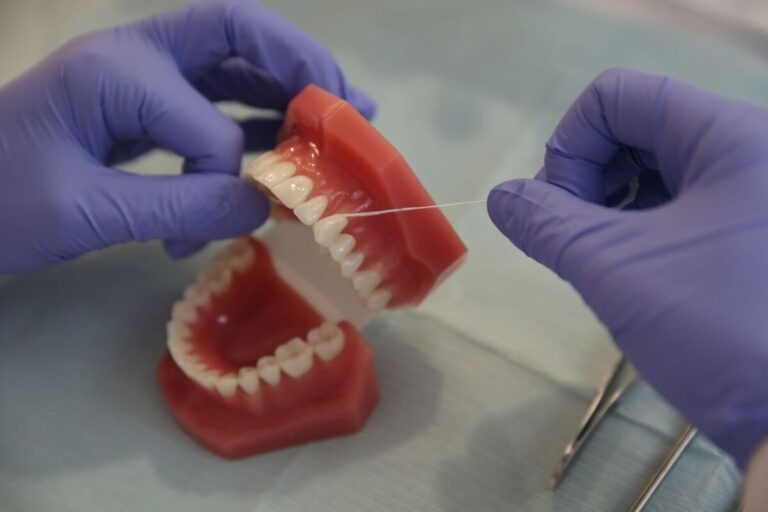
Maintaining good oral hygiene practices, including regular brushing and flossing, remains foundational. Aloe vera juice is often explored as a complementary addition to these practices, not a replacement. People with underlying health conditions or those taking medications often work with a qualified healthcare professional for personalized guidance. This information is educational and not a substitute for medical advice.
| Aspect | Recommendation | Why it Matters |
|---|---|---|
| Product Type | Inner leaf gel, edible grade | Maximizes beneficial compounds, minimizes aloin. |
| Purity | No added sugars, artificial ingredients | Supports oral health, avoids unwanted substances. |
| Dilution | Optional, based on sensitivity | Helps gauge personal tolerance and comfort. |
| Consistency | Regular, daily use | Allows for sustained interaction with oral tissues. |
Important Safety Note
If you experience any adverse reactions, discontinue use and consult with a healthcare professional. People with underlying conditions often work with a qualified healthcare professional for personalized guidance.
Avoiding Common Pitfalls in Aloe Vera Use
Incorrect application or product selection can diminish the intended benefits of aloe vera juice for gum comfort. One common mistake is using topical aloe vera gels, which may contain thickeners, alcohol, or other ingredients unsuitable for oral ingestion. Always ensure the product is specifically labeled for internal or oral use.
Another pitfall involves expecting immediate, dramatic outcomes. Natural approaches often support wellness over time, through consistent and patient application. Integrating aloe vera juice into a daily routine aligns with this understanding, contributing to a sense of long-term gum comfort. It isn’t a quick fix, but a supportive element.
Overuse is also a consideration. While generally gentle, using excessive amounts or rinsing for extended periods beyond recommended guidelines may not offer additional benefits and could potentially lead to minor oral irritation for sensitive individuals. Adhering to suggested usage helps ensure a positive experience.
- Product Misuse: Using topical gels internally.
- Expectation Mismatch: Anticipating instant results.
- Excessive Use: Over-rinsing or using too much volume.
- Ignoring Label: Not verifying edible grade or purification.
Optimal Use Strategy
Review product labels for specific instructions on oral use, prioritizing products that clearly state they are for consumption and are aloin-reduced or free.
Frequently Asked Questions
Is aloe vera juice safe to swallow after rinsing?
Most commercially available, food-grade aloe vera juices are safe to swallow. However, the primary benefit for gum comfort comes from the direct contact during rinsing, not ingestion. Always confirm the product is labeled for internal consumption.
Can children use aloe vera juice for gum comfort?
For children, it is always best to consult with a pediatrician or pediatric dentist before introducing new wellness practices, especially those involving internal or oral consumption. They can offer guidance tailored to a child’s specific needs.
How long should I use aloe vera juice to notice any effect?
Individual experiences vary. As with many natural approaches, consistency over time is often key. Some people report a sense of improved gum comfort within a few weeks of regular use, while for others, it may take longer.
Does aloe vera juice replace regular brushing and flossing?
Absolutely not. Aloe vera juice serves as a complementary addition to a thorough oral hygiene regimen. Regular brushing twice a day and flossing daily are fundamental practices for maintaining optimal oral health and gum comfort.
The Bottom Line
Aloe vera juice, with its rich array of active compounds like acemannan, provides a compelling option for those seeking to support gum comfort through natural means. Its historical reverence and biochemical profile make it a valued addition to an oral wellness routine. By choosing high-quality, purified products and adhering to best practices for application, individuals can thoughtfully integrate this botanical into their daily self-care. Prioritize consistent, mindful use alongside foundational oral hygiene.
Your Next Step for Oral Wellness
Consider incorporating a high-quality, food-grade aloe vera juice rinse into your daily oral care routine, always remembering to consult with a healthcare professional for personalized guidance, especially if you have existing health concerns.
Get Your FREE Natural Health Guide!
Subscribe now and receive our exclusive ebook packed with natural health tips, practical wellness advice, and easy lifestyle changes, delivered straight to your inbox.