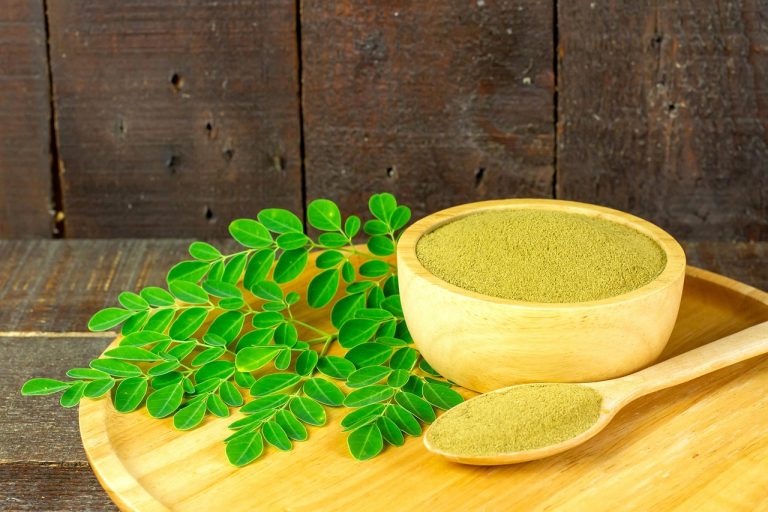

The struggle to maintain optimal health has become a common concern for many individuals. Stress, poor nutrition, and lack of physical activity contribute significantly to various health issues. For those seeking natural and effective solutions, growing your own superfoods can offer a unique approach. Among these, the Moringa tree stands out due to its impressive nutritional profile and numerous health benefits. This fast-growing tree, often referred to as the “drumstick tree” or “miracle tree,” is packed with vitamins, minerals, and antioxidants.
Cultivating Moringa at home not only provides fresh leaves and pods but also promotes a sustainable lifestyle. The tree thrives in various climates and soil types, making it an accessible option for many. As you embark on this journey, you will discover how easy it is to incorporate this nutrient-dense plant into your diet. By harnessing the power of Moringa, you can take control of your health and well-being.
Understanding the specific requirements for growing and caring for Moringa trees will help ensure a bountiful harvest. This guide will provide you with detailed insights into the benefits, cultivation techniques, and practical applications of Moringa. Whether you are a seasoned gardener or a beginner, this guide will equip you with the knowledge needed to grow your own superfood effectively.
Your journey to cultivating Moringa begins with understanding its unique characteristics and requirements. Let’s explore how to grow and utilize this remarkable tree to enhance your health and lifestyle.
Contents
How to Use Moringa for Real Results
- Best Form: Fresh leaves or powdered form
- Best Time: Morning or early afternoon
- Expected Result: Enhanced energy and nutrient intake
For Daily Protection
The Prep: Gather fresh Moringa leaves, a blender, and water. If using powdered form, have a glass of water ready. Ensure the leaves are clean and free from any dirt or pests.
The Action: Blend a handful of fresh Moringa leaves with a cup of water. If using powder, mix one teaspoon with water. Drink this mixture in the morning for a nutrient boost.
The Feeling: You may experience a refreshing sensation as the nutrients enter your system. This drink can provide an energy lift that lasts throughout the day.
Pro Tip: Start with small amounts to assess your body’s response before increasing the quantity.
Targeting Acute Pain
The Prep: You will need Moringa leaves, hot water, and honey. Ensure the leaves are fresh and not wilted.
The Action: Steep a handful of Moringa leaves in hot water for about 10 minutes. Once brewed, strain the leaves and add honey for taste. This tea can be consumed when experiencing discomfort.
The Feeling: The warmth of the tea may provide a soothing effect, helping to alleviate pain. You might notice a calming sensation as the anti-inflammatory properties take effect.
Pro Tip: Drink this tea twice a day for optimal results during acute episodes.
The Nighttime Routine
The Prep: Gather Moringa powder, warm milk or a milk alternative, and a sweetener of choice.
The Action: Mix one teaspoon of Moringa powder into a cup of warm milk. Stir well and add a sweetener if desired. Consuming this blend before bed can promote relaxation.
The Feeling: This calming drink may help you unwind, promoting restful sleep. You might feel a gentle warmth as you sip, preparing your body for a good night’s rest.
Pro Tip: Incorporate this drink into your evening routine to signal your body that it is time to relax.
Avoiding Common Mistakes with Moringa
Using Low Quality Herbs
Choosing low-quality Moringa products can lead to disappointing results. Low-quality herbs may lack the essential nutrients that make Moringa beneficial. To avoid this mistake, always source Moringa from reputable suppliers who provide organic options.
Using fresh leaves is ideal, but if opting for powdered forms, check for third-party testing or certifications. This ensures that the product is free from contaminants and retains its nutritional value.
High-quality Moringa products will provide the expected health benefits. Investing in quality ensures you receive the full spectrum of nutrients available in this superfood.
Overconsumption
It is easy to fall into the trap of thinking that more is better. Overconsumption of Moringa can lead to gastrointestinal issues such as nausea or diarrhea. It is vital to start with small doses and gradually increase as your body adjusts.
Listening to your body is crucial. If you experience discomfort, reduce your intake. This approach allows you to find the right balance that works for you while reaping the benefits of Moringa.
Moderation is key when incorporating any superfood into your diet. This ensures that you enjoy the benefits without adverse effects.
Ineffective Growing Conditions
Moringa trees require specific growing conditions to thrive. Planting in the wrong soil type or climate can hinder growth. Ensure that you plant Moringa in well-draining soil and a location that receives full sunlight.
Regular watering is essential, but avoid overwatering as it can lead to root rot. Understanding the plant’s needs will help you cultivate a healthy tree.
Creating the right environment for Moringa ensures robust growth and a bountiful harvest. This preparation pays off with a continuous supply of fresh superfood.
The Mechanism Behind Moringa’s Benefits
Moringa is packed with essential nutrients, including vitamins A, C, and E, as well as minerals like calcium and iron. These components contribute to various biological mechanisms that support overall health. The antioxidants present in Moringa help combat oxidative stress, which is linked to numerous chronic diseases.
One of the key compounds in Moringa is a group of antioxidants known as flavonoids. These compounds play a significant role in reducing inflammation and protecting cells from damage. Regular consumption of Moringa can enhance the body’s ability to fight off infections and diseases.
Clinical studies have shown that Moringa can provide significant health benefits. For detailed insights into Moringa’s effects, refer to this PubMed search. These findings support the use of Moringa as a valuable addition to a healthy diet.
Choosing the Right Moringa Products
- Potency: Look for products that clearly state the concentration of active compounds. Higher potency often correlates with better health benefits.
- Purity: Ensure the product is free from fillers, additives, or artificial ingredients. Pure products maximize health benefits.
- Form: Choose between fresh leaves, dried leaves, or powder based on your preference and intended use. The form can affect absorption and convenience.
Evaluating the Pros and Cons
| The Benefits | Potential Downsides |
|---|---|
| Rich in nutrients and antioxidants | Possible digestive discomfort if overconsumed |
| Supports immune health | Requires specific growing conditions |
| Easy to grow in various climates | Quality may vary among products |
Enhancing Your Lifestyle with Moringa
Incorporating Moringa into your diet is just one aspect of a healthy lifestyle. Engaging in regular physical activity complements the benefits of Moringa. This combination enhances energy levels and overall well-being.
Mindfulness practices such as meditation can also be beneficial. These practices help reduce stress, allowing your body to better absorb the nutrients from Moringa.
Pairing these habits with Moringa consumption can lead to significant health improvements.
Who Should Avoid This?
– Pregnant or breastfeeding women
– Individuals on blood-thinning medications
– Those with specific allergies to Moringa or related plants
– People with chronic health conditions without medical advice
Common Questions
How often should I consume Moringa?
Daily consumption is recommended, but start with small amounts to gauge your body’s response.
Can Moringa interact with medications?
Yes, consult with a healthcare provider if taking medications, especially blood thinners.
What part of the Moringa tree can I eat?
You can consume the leaves, pods, and flowers of the Moringa tree.
Is Moringa safe for children?
Yes, but it is advisable to consult a pediatrician before introducing it into a child’s diet.
The Bottom Line
Moringa offers numerous health benefits when incorporated into your diet.
- The Truth: Results may vary based on individual health and usage.
- The Strategy: Daily consumption in the morning can optimize benefits.
- The Next Step: Consider integrating Moringa into your meals for enhanced nutrition.
Get Your FREE Natural Health Guide!
Subscribe now and receive our exclusive ebook packed with natural health tips, practical wellness advice, and easy lifestyle changes, delivered straight to your inbox.