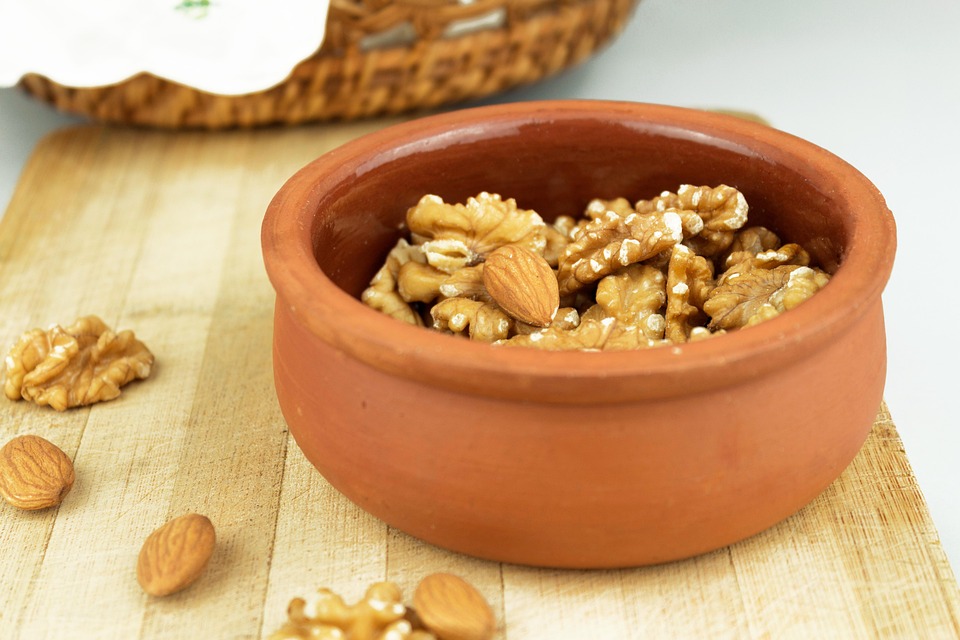

Walnuts are often overlooked in discussions about nutrition and health. However, they offer a multitude of benefits that can significantly impact various aspects of well-being. One area where walnuts shine is in supporting bone density. As individuals age, maintaining bone health becomes crucial to prevent conditions like osteoporosis. The good news is that incorporating walnuts into your diet can provide essential nutrients that contribute to stronger bones.

The problem of bone density loss is prevalent, especially among older adults. Factors such as hormonal changes, nutritional deficiencies, and lifestyle choices can exacerbate this issue. The quest for effective solutions often leads individuals to explore dietary adjustments. Walnuts are nutrient-dense, offering a variety of vitamins, minerals, and healthy fats that can support bone health. This guide delves into five key benefits of walnuts for bone density, emphasizing how these little nuts can make a significant difference.
Understanding the role of walnuts in bone health requires a closer look at their nutritional profile. Walnuts contain omega-3 fatty acids, antioxidants, and a host of vitamins and minerals that contribute to overall wellness. With this knowledge, it becomes evident how simple dietary changes can lead to enhanced bone density and reduced risk of fractures.
This guide aims to provide not just the benefits of walnuts for bone density but also practical applications, scientific backing, and tips for incorporating them into your daily routine. By the end, you will be equipped with the knowledge to make informed dietary choices that can positively impact your bone health.
Contents
How to Use Walnuts for Real Results
- Best Form: Raw or lightly toasted walnuts
- Best Time: Morning or as a snack
- Expected Result: Improved bone density over time
For Daily Protection
The Prep: Start with a handful of raw walnuts. You can pair them with a piece of fruit for added nutrients. Ensure that the walnuts are fresh, as this enhances their flavor and health benefits.
The Action: Incorporate walnuts into your breakfast. Sprinkle them on top of oatmeal or yogurt. You can also blend them into smoothies for a creamy texture. This not only adds healthy fats but also boosts your meal’s antioxidant content.
The Feeling: As you savor your breakfast, you’ll notice a satisfying crunch from the walnuts. They provide a nutty flavor that complements other ingredients. The energy boost from the healthy fats will sustain you throughout the morning.
Pro Tip: Store walnuts in a cool, dark place to maintain their freshness and nutritional value.
Enhancing Salads
The Prep: Gather fresh greens, your choice of vegetables, and a handful of walnuts. Consider adding a protein source like grilled chicken or chickpeas for a more balanced meal.
The Action: Toss the greens and vegetables in a bowl. Add walnuts as a topping. Drizzle with a vinaigrette or olive oil for flavor. The walnuts will add a delightful crunch and nutty taste, enhancing the overall experience of the salad.
The Feeling: As you dig into your salad, the walnuts provide a satisfying texture that contrasts with the crispness of the greens. The combination of flavors will leave you feeling refreshed and nourished.
Pro Tip: Experiment with different dressings to find what complements the walnuts best.
Nut Butter Delight
The Prep: Use raw walnuts to make walnut butter. All you need is a food processor and a pinch of salt.
The Action: Blend the walnuts in the food processor until smooth. This may take a few minutes. Stop occasionally to scrape down the sides. Once you achieve a creamy consistency, transfer it to a jar.
The Feeling: The walnut butter will have a rich, creamy texture that feels indulgent yet nutritious. Spread it on whole-grain bread or use it as a dip for fruits.
Pro Tip: Make a larger batch and store it in the refrigerator for easy access during the week.
Common Mistakes to Avoid
Ignoring Quality
Choosing low-quality walnuts can diminish their health benefits. Walnuts should be fresh and free from any rancid smell. Poor-quality nuts may lack the essential nutrients needed for bone health.
Opting for organic walnuts can also ensure that you are avoiding harmful pesticides. This small change can enhance the overall nutritional profile of the walnuts and ensure you are getting the maximum benefits.
Overconsumption
While walnuts are nutrient-dense, moderation is key. Eating excessive amounts can lead to unwanted weight gain due to their high-calorie content. This is counterproductive for those aiming for overall health improvement.
Stick to a handful a day to enjoy the benefits without overindulging. This balance will help you maintain a healthy diet while still reaping the rewards of walnuts.
Neglecting Variety
Focusing solely on walnuts may lead to nutrient gaps. While they are beneficial, a diverse diet is essential for overall health. Including a variety of nuts and seeds can provide a broader range of nutrients that support bone density and overall wellness.
Incorporate other sources of healthy fats and proteins to create a balanced diet. This will not only improve your bone health but also enhance your overall nutritional intake.
The Biological Mechanism Behind Bone Health
Walnuts contribute to bone density through several biological mechanisms. Their high omega-3 fatty acid content, particularly alpha-linolenic acid, has anti-inflammatory properties. This can help reduce the risk of bone loss associated with inflammation.
Additionally, walnuts are rich in antioxidants, which protect bone cells from oxidative stress. This stress can lead to bone degradation over time. By combating oxidative stress, walnuts support the maintenance of bone integrity.
Research has shown that nuts, including walnuts, can positively influence bone health. A review of studies highlights the potential benefits of nut consumption for improving bone density and reducing fracture risk. For more detailed information, you can explore this study.
Choosing the Right Product
- Potency: Look for walnuts that are high in omega-3 fatty acids. Higher potency ensures greater health benefits.
- Purity: Choose organic or non-GMO walnuts to avoid harmful additives. This ensures you receive the full nutritional benefits without chemicals.
- Form: Select raw or lightly toasted walnuts. This preserves their nutrients and flavor, making them more beneficial for bone health.
Benefits vs Risks
| The Benefits | Potential Downsides |
|---|---|
| Rich in omega-3 fatty acids that support bone health | High calorie content may lead to weight gain if overconsumed |
| Provide antioxidants that protect against oxidative stress | Quality may vary; low-quality nuts can offer fewer benefits |
| Versatile ingredient that can be added to various dishes | May cause allergic reactions in some individuals |
Habits for Enhanced Benefits
Incorporating regular physical activity into your routine can complement the benefits of walnuts. Weight-bearing exercises strengthen bones and enhance the effects of nutrients found in walnuts.
Maintaining a balanced diet rich in various nutrients is also crucial. Pair walnuts with foods high in calcium and vitamin D for synergistic effects on bone health.
Who Should Avoid This?
– Individuals with nut allergies
– Those on a low-calorie diet
– People with specific dietary restrictions related to fats
Common Questions
Are walnuts good for everyone?
Walnuts are generally beneficial but may not be suitable for individuals with nut allergies.
How many walnuts should I eat daily?
A handful, roughly 1 ounce, is recommended for optimal health benefits.
Can walnuts help with weight loss?
In moderation, walnuts can be part of a weight-loss plan due to their healthy fats and protein content.
How should I store walnuts?
Keep walnuts in a cool, dark place or refrigerate them to maintain freshness.
The Bottom Line
Walnuts can significantly enhance bone density and overall health.
- The Truth: While walnuts are beneficial, they should be part of a balanced diet.
- The Strategy: Incorporate walnuts into your meals for maximum effect.
- The Next Step: Aim to combine walnuts with other nutrient-rich foods for optimal health.
Get Your FREE Natural Health Guide!
Subscribe now and receive our exclusive ebook packed with natural health tips, practical wellness advice, and easy lifestyle changes, delivered straight to your inbox.