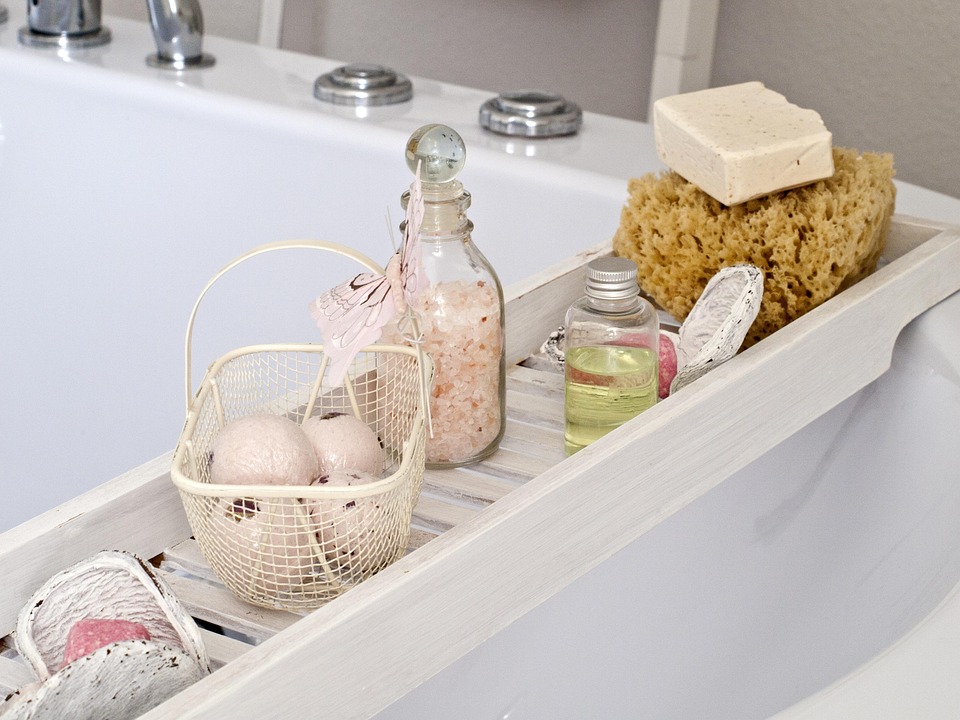

Muscle tension can often lead to discomfort that disrupts daily activities, sleep, and overall well-being. Stress, exercise, and poor posture can exacerbate this tension, leaving individuals seeking relief. Many people turn to various remedies, but one accessible and effective solution lies in the simple act of soaking in a warm bath infused with Epsom salt. This age-old practice not only provides a moment of relaxation but also offers numerous physical benefits.

The soothing properties of Epsom salt stem from its main component, magnesium sulfate. When dissolved in warm water, Epsom salt is believed to be absorbed through the skin, allowing magnesium to enter the body. This mineral plays a crucial role in muscle function, helping to reduce inflammation and alleviate pain. For those who find themselves battling muscle soreness or fatigue, an Epsom salt bath can serve as a restorative ritual.
Whether you are an athlete looking to recover from intense training or someone simply trying to unwind after a long day, the Epsom salt bath experience can be tailored to meet your needs. Understanding how to effectively use this remedy is essential for maximizing its benefits. With the right approach, you can transform your bathing routine into a powerful tool for muscle recovery and relaxation.
This guide will delve into the practical applications of Epsom salt baths, common mistakes to avoid, the science behind their efficacy, and how to choose the right products. By the end, you will feel empowered to incorporate this soothing practice into your wellness routine.
Contents
How to Use Epsom Salt for Real Results
- Best Form: Crystalline Epsom salt
- Best Time: Evening before bed
- Expected Result: Enhanced muscle relaxation and improved sleep
Creating a Relaxing Evening Ritual
Begin by gathering your supplies. You will need one to two cups of crystalline Epsom salt, a warm bath, and optional ingredients such as essential oils or soothing herbs. Lavender oil is a popular addition due to its calming properties. Prepare your bath by filling it with warm water, ensuring it is at a comfortable temperature.
Once your bath is ready, add the Epsom salt, allowing it to dissolve completely. If you choose to include essential oils, add them at this stage to enhance the aromatherapy experience. Step into the bath and take a moment to breathe deeply, focusing on the warmth enveloping you.
As you soak, you may feel a gentle tingling sensation as the Epsom salt begins to work. Allow yourself to relax for at least 15 to 20 minutes. This time allows the magnesium sulfate to penetrate your skin and helps to alleviate muscle tension. Pro Tip: Consider dimming the lights or playing soft music to create a calming ambiance.
Post-Workout Recovery
After an intense workout, your muscles may feel tight and fatigued. To prepare your post-workout soak, gather two cups of Epsom salt and optional additions like arnica oil, known for its anti-inflammatory properties. Fill your tub with warm water, ensuring it is not too hot, as excessive heat can exacerbate inflammation.
Add the Epsom salt to the water, followed by any optional ingredients. Once dissolved, immerse yourself in the bath, focusing on your breathing. This bath should last around 20 to 30 minutes for maximum benefits. During this time, you will likely feel your muscles loosening and the tension dissipating.
As you soak, you may experience a sense of relief as the magnesium sulfate works to reduce inflammation and pain. Many individuals report feeling rejuvenated and ready to tackle daily activities post-bath. Pro Tip: Hydrate before and after your soak to support muscle recovery.
For Stress Relief and Sleep Enhancement
To combat stress and improve sleep quality, prepare a calming bath with one to two cups of Epsom salt and a few drops of chamomile essential oil. Start by filling your tub with warm water, ensuring it is at a soothing temperature. The goal is to create an inviting environment that encourages relaxation.
Add the Epsom salt along with the chamomile oil, allowing it to dissolve. As you enter the bath, focus on your breathing, letting go of the day’s stressors. Aim to soak for at least 30 minutes to fully reap the calming benefits. During this time, the combination of warm water and magnesium can help reduce cortisol levels, promoting relaxation.
You may notice a gradual release of tension as you relax in the warm water. Many find that this practice not only helps with muscle relaxation but also enhances their overall mood and prepares them for a restful night. Pro Tip: Set a calming timer or play gentle music to enhance your experience.
Avoiding Common Pitfalls
Using Low-Quality Epsom Salt
Not all Epsom salts are created equal. Some products may contain additives or impurities that can diminish the benefits. Low-quality salts can also irritate the skin or fail to dissolve properly, leading to a less effective experience. Always choose high-quality, pure Epsom salt from reputable sources.
Opt for products that are labeled as food grade or pharmaceutical grade. These types are more likely to be free from contaminants and are more effective for muscle recovery. Investing in quality Epsom salt can significantly enhance your bathing experience and results.
Neglecting Proper Water Temperature
The temperature of the water is crucial for maximizing the benefits of an Epsom salt bath. Water that is too hot can lead to dehydration or exacerbate certain conditions like inflammation. Conversely, water that is too cool may not allow for optimal absorption of magnesium sulfate.
Aim for a warm bath that is comfortable but not scalding. This temperature allows your muscles to relax while also enabling the Epsom salt to dissolve fully. Finding the right balance is key to achieving the desired effects without adverse reactions.
Overdoing It
While Epsom salt baths can be beneficial, excessive use can lead to skin irritation or electrolyte imbalances. Some people may mistakenly believe that more Epsom salt will yield better results, but this is not the case. Following recommended guidelines is essential for safety.
Limit your Epsom salt baths to two to three times per week for optimal results. This frequency allows your body to absorb the magnesium without overloading it. Always listen to your body and adjust based on how you feel after each soak.
The Mechanism Behind Epsom Salt Baths
The primary mechanism through which Epsom salt works involves the absorption of magnesium and sulfate into the body. Magnesium plays a vital role in muscle function, energy production, and the regulation of inflammation. When absorbed through the skin, it can help alleviate muscle cramps and tension.
The sulfate component also supports detoxification processes in the body. It aids in flushing out toxins and reducing inflammation, making Epsom salt baths a dual-action remedy for muscle recovery and general wellness. This combined effect can lead to improved mobility and reduced discomfort.
Research supports the efficacy of magnesium in promoting muscle relaxation and reducing pain. For more detailed clinical evidence, you can explore findings on magnesium and muscle function through this PubMed search. This resource provides insights into how magnesium contributes to muscle health.
Choosing the Right Product
- Potency: Higher concentrations of magnesium sulfate can enhance the effectiveness of the bath.
- Purity: Opt for products that are free from additives to ensure a safe and beneficial experience.
- Form: Crystalline Epsom salt dissolves more easily than compressed forms, providing a smoother bathing experience.
Understanding the Trade-Offs
| The Benefits | Potential Downsides |
|---|---|
| Relieves muscle tension and soreness | May cause skin irritation in sensitive individuals |
| Promotes relaxation and better sleep | Excessive use can lead to dehydration |
| Supports detoxification processes | Not suitable for everyone, especially those with certain medical conditions |
Incorporating Healthy Habits
Pairing Epsom salt baths with regular stretching can amplify relaxation and recovery. Stretching helps maintain flexibility and reduces the risk of injury. Incorporate gentle stretches before and after your bath for maximum benefit.
Additionally, consider incorporating mindfulness practices such as meditation or deep breathing into your routine. These practices can enhance the calming effects of the bath and promote a holistic approach to wellness.
Who Should Avoid This?
- Individuals with kidney problems should consult a healthcare provider before using Epsom salt.
- Those who are pregnant or breastfeeding should seek advice from a healthcare professional.
- People with skin sensitivities or allergies may want to perform a patch test before full-body use.
- Individuals taking certain medications should consult their doctor to avoid potential interactions.
Common Questions
How often should I take an Epsom salt bath?
Limit Epsom salt baths to two to three times per week for optimal results without overdoing it.
Can I use Epsom salt if I have sensitive skin?
Individuals with sensitive skin should perform a patch test first or consult a healthcare provider before use.
How long should I soak in an Epsom salt bath?
A soak of 15 to 30 minutes is generally recommended for maximum benefits.
Is it safe to use Epsom salt baths during pregnancy?
Consult a healthcare provider before using Epsom salt baths while pregnant to ensure safety.
Final Thoughts
Integrating Epsom salt baths into your wellness routine can be a powerful way to enhance muscle recovery and promote relaxation.
- The Truth: Epsom salt baths are not a cure-all and should be used as part of a broader wellness strategy.
- The Strategy: Evening baths are ideal for relaxation and improved sleep quality.
- The Next Step: Consider incorporating stretching or mindfulness practices to amplify the benefits.
Get Your FREE Natural Health Guide!
Subscribe now and receive our exclusive ebook packed with natural health tips, practical wellness advice, and easy lifestyle changes, delivered straight to your inbox.