
Bone broth stands as a nourishing elixir, particularly within the ketogenic dietary framework. Individuals often face challenges in maintaining electrolyte balance when transitioning into or sustaining a keto lifestyle. This can lead to fatigue, cramping, and a host of other discomforts often referred to as the “keto flu.” Bone broth emerges as a viable solution to these issues, offering a rich source of minerals and nutrients essential for overall health.
The process of making bone broth involves simmering animal bones, which releases collagen, amino acids, and various minerals into the liquid. This results in a nutrient-dense broth that not only supports hydration but also aids in replenishing electrolytes. For those on a ketogenic diet, where carbohydrate intake is limited, maintaining proper hydration and electrolyte levels becomes crucial for optimal performance and well-being.
Incorporating bone broth into a keto lifestyle can yield multiple benefits. It serves as a flavorful base for soups and stews, a warm beverage on its own, or even a cooking medium for various dishes. Understanding how to effectively use bone broth can enhance your keto journey and contribute to a healthier lifestyle, making it a staple in your pantry.
This guide will explore practical applications of bone broth, common mistakes to avoid, the science behind its benefits, and tips for choosing the right product. By the end, you will have a comprehensive understanding of how to leverage this nourishing choice for optimal health.


Contents
How to Use Bone Broth for Real Results
- Best Form: Homemade or high-quality store-bought
- Best Time: Morning or post-workout
- Expected Result: Enhanced hydration and electrolyte balance
For Daily Protection
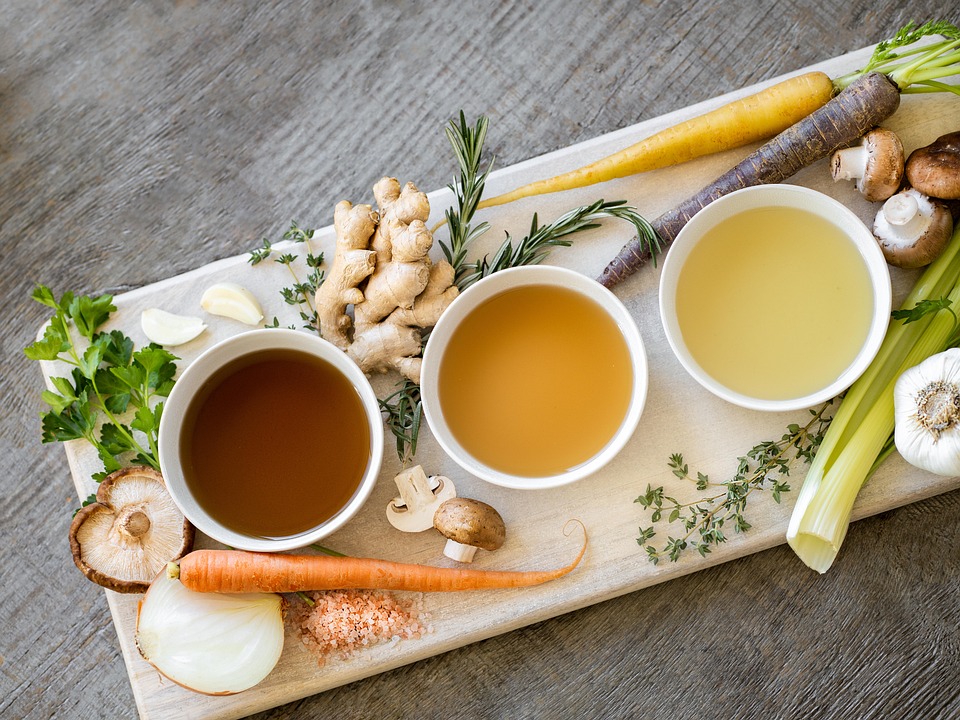
The Prep: Gather high-quality beef or chicken bones, water, apple cider vinegar, and optional herbs like thyme or bay leaves. Use bones from grass-fed animals for optimal nutrition.
The Action: Place the bones in a large pot or slow cooker. Add water until the bones are submerged and a splash of apple cider vinegar to help extract minerals. Simmer on low heat for 12 to 24 hours, allowing the nutrients to infuse into the broth.
The Feeling: A warm cup of bone broth offers a comforting sensation as it warms the body. Expect a slight tingling in the stomach as your body absorbs the rich nutrients. This can last for a few hours, leaving you feeling satiated and energized.
Pro Tip: Batch cook bone broth and freeze portions for easy access throughout the week.
For Post-Workout Recovery
The Prep: Prepare the same ingredients as before but consider adding a pinch of sea salt for extra electrolytes.
The Action: Follow the same simmering process. After cooking, strain the broth and serve hot. Drink immediately after your workout to replenish lost fluids and minerals.
The Feeling: Drinking the broth post-exercise will provide immediate warmth and comfort. You may feel a wave of relaxation as your body begins to recover. The replenishment of electrolytes can lead to reduced muscle soreness over the next few days.
Pro Tip: For an extra boost, add a scoop of collagen powder to your broth for enhanced protein content.
The Nighttime Routine
The Prep: Use leftover broth from your daily batch or prepare a fresh one. Consider adding calming herbs like chamomile or lavender for a soothing effect.
The Action: Heat the broth until warm but not boiling. Pour it into a mug and sip slowly, allowing the warmth to relax your body.
The Feeling: The warm liquid will create a calming sensation, preparing your body for rest. You may notice a decrease in nighttime cravings and an increase in overall relaxation, helping you drift into sleep more easily.
Pro Tip: Pair your evening broth with a small serving of healthy fat, like avocado, to enhance satiety before sleep.
Common Pitfalls to Avoid
Using Low-Quality Ingredients
One of the most significant mistakes is opting for low-quality bones or store-bought broth that contains additives and preservatives. These can diminish the nutritional benefits and affect flavor.
Choosing organic, grass-fed bones ensures a higher nutrient profile. Look for bones from reputable sources to maximize health benefits.
Neglecting to Season Properly
Another common error is under-seasoning the broth. While bone broth can be enjoyed plain, seasoning is essential to enhance flavor and nutritional value.
Adding herbs, spices, and a pinch of salt can significantly elevate the taste and provide additional health benefits. Experiment with flavors to find your ideal blend.
Not Allowing Enough Simmering Time
Failing to simmer the broth long enough can result in a less nutrient-dense product. Short cooking times may prevent the extraction of collagen and minerals from the bones.
Aim for a minimum of 12 hours of simmering, with 24 hours being optimal for maximum nutrient extraction. This patience pays off in the final product.
The Mechanism Behind Bone Broth
Bone broth works at a biological level by extracting vitamins and minerals from bones and connective tissues. Collagen, a primary protein in bones, breaks down into amino acids and gelatin during the cooking process.
Key compounds such as glycine and proline are abundant in bone broth. These amino acids are essential for protein synthesis and support various bodily functions, including gut health and inflammation reduction.
Clinical studies have shown the benefits of bone broth, particularly its effects on joint health and inflammation. For more information on the specific compounds and their impacts, visit PubMed for research findings.
Choosing the Right Product
- Potency: Ensure the broth contains a high concentration of nutrients, which is crucial for effectiveness.
- Purity: Look for products free from additives or preservatives to maximize health benefits.
- Form: Consider whether you prefer liquid or powdered forms, depending on convenience and usage preferences.
Benefits vs Risks
| The Benefits | Potential Downsides |
|---|---|
| Rich in collagen, promoting skin and joint health | May contain high levels of histamines for sensitive individuals |
| Provides essential electrolytes for hydration | Improper preparation can lead to foodborne illnesses |
| Supports gut health through amino acids | May not be suitable for those with dietary restrictions |
Habits to Enhance Wellness
Incorporating regular hydration practices can enhance the benefits of bone broth. Aim to drink water consistently throughout the day to support overall hydration.
Pairing bone broth with a diet rich in whole foods can amplify its effects. Focus on incorporating healthy fats, protein, and low-carb vegetables into your meals.
Who Should Avoid This?
– Individuals with specific allergies to the ingredients used in broth.
– Those with histamine intolerance may experience adverse effects.
– Anyone on a low-sodium diet should consult a healthcare provider before consumption.
Common Questions
Can bone broth help with weight loss?
Yes, bone broth can support weight loss by promoting fullness and providing essential nutrients without excess calories.
Is store-bought bone broth as effective as homemade?
Store-bought options can be convenient, but homemade broth usually offers higher nutrient levels and fewer additives.
How often should I consume bone broth?
Incorporating bone broth several times a week can enhance its benefits, especially during periods of increased physical activity.
Can I use bone broth in recipes?
Absolutely. Bone broth serves as an excellent base for soups, stews, and sauces, adding flavor and nutrition to various dishes.
The Bottom Line
Bone broth is a nourishing choice that can effectively support a ketogenic lifestyle.
- The Truth: While beneficial, it is not a substitute for a balanced diet.
- The Strategy: Incorporate bone broth during meals or as a snack for optimal hydration.
- The Next Step: Experiment with different flavors and recipes to find what works best for you.
Get Your FREE Natural Health Guide!
Subscribe now and receive our exclusive ebook packed with natural health tips, practical wellness advice, and easy lifestyle changes, delivered straight to your inbox.