
Moringa and matcha are two superfoods that have garnered attention for their potential to enhance energy levels. Many individuals struggle with fatigue, whether due to demanding schedules, poor nutrition, or lack of sleep. Finding a natural solution to combat this fatigue often leads people to explore various supplements and dietary additions. Moringa, derived from the leaves of the Moringa oleifera tree, is praised for its nutrient density. Matcha, a finely ground powder made from specially grown green tea leaves, is celebrated for its unique flavor and numerous health benefits.


Both options present compelling cases for energy enhancement, but they operate through different mechanisms and offer distinct benefits. Understanding how each superfood contributes to energy levels can empower individuals to make informed choices based on their specific needs. This guide will delve into the practical applications of moringa and matcha, explore the science behind their energy-boosting properties, and provide insights into choosing the right product.
Determining which superfood may be more effective for energy enhancement requires examining their specific properties, benefits, and potential downsides. By exploring how to incorporate these two powerhouses into daily routines, individuals can find the best fit for their lifestyle and wellness goals.
The following sections will provide a comprehensive overview of how to use each superfood effectively, common pitfalls to avoid, the scientific mechanisms at play, and practical tips for integrating these energy boosters into everyday life.
Contents
How to Use Moringa and Matcha for Real Results
- Best Form: Powder
- Best Time: Morning
- Expected Result: Sustained energy boost
Morning Energy Boost
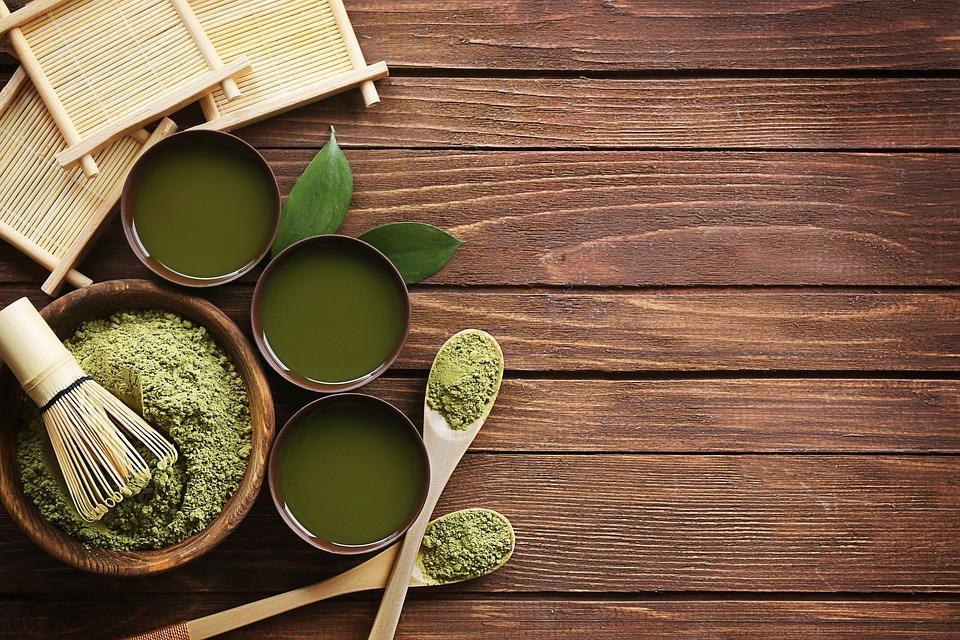
The Prep: Start with high-quality matcha or moringa powder. For matcha, choose ceremonial grade for the best flavor and benefits. For moringa, look for organic, finely ground powder. Gather hot water and a whisk for matcha or a blender for moringa smoothies.
The Action: For matcha, whisk one teaspoon of the powder with hot water until frothy. For moringa, blend one teaspoon of the powder with a banana, spinach, and almond milk for a nutritious smoothie. Both options should be consumed in the morning to kickstart your day.
The Feeling: After consuming matcha, expect a smooth, steady increase in energy without jitters. Moringa provides a gentle lift, often accompanied by a sense of fullness, enhancing focus and alertness throughout the morning.
Pro Tip: Adjust the amount based on your tolerance. Start small and gradually increase.
Midday Pick-Me-Up
The Prep: For a quick energy recharge, prepare a simple moringa tea or matcha latte. Use fresh water and, if desired, add a plant-based milk for creaminess.
The Action: For moringa tea, steep one teaspoon of moringa powder in hot water for 5 minutes. For a matcha latte, whisk one teaspoon of matcha with hot water and then add steamed almond milk.
The Feeling: Moringa tea offers a refreshing lift that can help clear mental fog. The matcha latte provides a comforting warmth while delivering a steady energy boost that lasts for hours.
Pro Tip: Pair with a light snack like nuts or fruit for an added energy boost.
Evening Relaxation
The Prep: For an evening drink, consider blending moringa with chamomile or lemon balm. Both herbs can enhance relaxation while still providing the benefits of moringa’s nutrients.
The Action: Blend one teaspoon of moringa powder with hot water and steep with chamomile flowers for 10 minutes. Alternatively, mix moringa with warm milk and honey for a soothing drink.
The Feeling: The combination of moringa with calming herbs can help promote relaxation without causing drowsiness. Expect a gentle calmness that prepares the body for rest.
Pro Tip: Avoid caffeine in the evening to ensure a good night’s sleep.
Common Errors to Avoid
Choosing Low-Quality Powders
Using low-quality moringa or matcha can significantly diminish the benefits. Many products on the market are filled with fillers or sourced from plants that have not been grown organically. This can lead to consuming harmful chemicals or a product that lacks potency.
To avoid this mistake, always opt for certified organic products and check for third-party testing. Look for brands that provide transparency about their sourcing and processing methods.
Overconsumption
Some individuals might assume that more is better and consume excessive amounts of moringa or matcha. This can lead to potential side effects such as digestive discomfort or increased heart rate.
Understanding the recommended serving sizes is crucial. Most experts suggest one teaspoon of powder per serving. Start with a smaller amount to assess tolerance, and gradually increase as needed.
Ignoring Dietary Interactions
Moringa and matcha can interact with certain medications, particularly blood thinners and medications for blood pressure. Ignoring these interactions can lead to unintended health consequences.
Always consult with a healthcare professional before adding new supplements to your routine, especially if you are on medication or have underlying health conditions. Being informed can help you avoid complications and ensure safe consumption.
The Science Behind Energy Enhancement
Moringa and matcha each possess unique biological mechanisms that contribute to energy enhancement. Moringa is rich in vitamins, minerals, and amino acids. These components support cellular function and energy metabolism. The high antioxidant content also helps reduce oxidative stress, which can lead to fatigue.
Matcha contains L-theanine, an amino acid that promotes relaxation without drowsiness. This compound works synergistically with caffeine, providing a balanced energy boost that enhances focus while preventing the jittery side effects commonly associated with caffeine consumption.
Clinical studies have demonstrated the benefits of both superfoods. For instance, research has shown that moringa can improve energy levels and overall well-being. You can explore more about moringa’s health benefits and its role in wellness through this PubMed link.
Choosing the Right Product
– **Potency:** Look for products that specify the amount of active compounds per serving. This ensures you are getting a product that delivers on its promises.
-
Purity: Select organic and non-GMO options to avoid harmful additives. Purity affects not only the health benefits but also the taste and overall experience.
-
Form: Decide between powders, capsules, or tea bags based on your lifestyle. Powders offer versatility, while capsules provide convenience for on-the-go energy boosts.
Benefits and Risks
| The Benefits | Potential Downsides |
|---|---|
| High nutrient density promoting overall health | Possible digestive issues if consumed in excess |
| Natural energy boost without caffeine jitters | Interactions with certain medications |
| Versatile for various dietary preferences | Quality varies significantly between brands |
Enhancing Your Lifestyle
Integrating regular physical activity into your routine can amplify the energy-boosting effects of moringa and matcha. Exercise increases blood flow and oxygen delivery to muscles, enhancing overall vitality.
Mindfulness practices such as meditation or yoga can complement the calming effects of matcha and the nutrient-rich properties of moringa. These practices help reduce stress and improve mental clarity, further enhancing energy levels.
Who Should Avoid This?
– Individuals on anticoagulant medications
– Pregnant or breastfeeding women
– Those with specific allergies to legumes (as moringa is related to the pea family)
– People with caffeine sensitivity should use matcha cautiously
Common Questions
Can I combine moringa and matcha?
Yes, combining both can provide a synergistic effect, offering the benefits of both energy and relaxation.
How often should I consume these superfoods?
Daily consumption is generally safe for most people, but starting with a few times a week can help gauge tolerance.
Are there any side effects?
Some may experience digestive discomfort or caffeine sensitivity. Always start with small amounts.
Can I use these for weight loss?
Both moringa and matcha can support weight loss efforts when combined with a balanced diet and exercise.
The Final Verdict
Choosing between moringa and matcha ultimately depends on individual needs and preferences.
- The Truth: Both superfoods offer unique benefits, but quality and individual tolerance matter.
- The Strategy: Incorporate them into your morning routine for optimal energy.
- The Next Step: Experiment with different forms and recipes to find what works best for you.
Get Your FREE Natural Health Guide!
Subscribe now and receive our exclusive ebook packed with natural health tips, practical wellness advice, and easy lifestyle changes, delivered straight to your inbox.