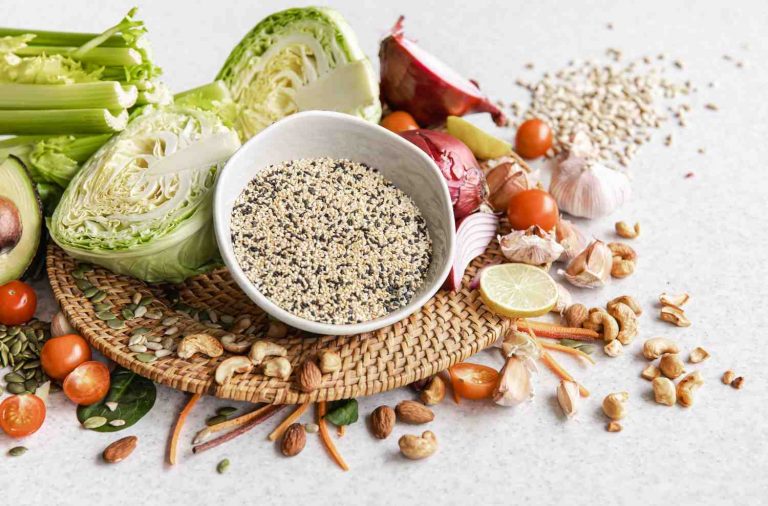

Walnuts and plant-based omega-3 fatty acids have garnered attention for their potential to support joint health. Joint discomfort affects millions, impacting mobility and quality of life. While traditional treatments often focus on pain relief, dietary interventions can play a crucial role in addressing the underlying inflammation that contributes to joint issues. This guide explores how walnuts and omega-3s can nourish your joints, providing both immediate and long-term benefits.

Incorporating walnuts into your diet is straightforward. These nuts are not only a rich source of omega-3 fatty acids but also contain antioxidants and anti-inflammatory compounds. The challenge lies in understanding how to effectively utilize them to optimize joint health. This guide will provide practical applications, common mistakes to avoid, and scientific insights to enhance your understanding of these powerful foods.
The journey to improved joint health begins with dietary choices. The right nutrients can help reduce inflammation, promote cartilage repair, and enhance overall joint function. Walnuts, in particular, are renowned for their high levels of alpha-linolenic acid (ALA), a type of plant-based omega-3. This guide will delve into how to effectively incorporate walnuts into your daily routine for optimal joint support.
As you explore this topic, you will learn not only the benefits of walnuts and omega-3s but also practical steps to integrate them into your lifestyle. This comprehensive approach aims to empower you to take control of your joint health through informed dietary choices and mindful habits.
Contents
How to Use Walnuts for Real Results
- Best Form: Raw or lightly toasted walnuts
- Best Time: Morning with breakfast or as a snack
- Expected Result: Reduced inflammation and improved joint mobility
For Daily Protection
The Prep: Gather a handful of raw or lightly toasted walnuts. Aim for about 1 ounce daily, which is roughly 14 halves. Pair them with a source of vitamin C, such as orange slices, to enhance absorption.
The Action: Start your day by adding walnuts to your morning oatmeal or yogurt. Alternatively, enjoy them as a mid-morning snack. Take time to chew thoroughly, allowing the flavors to blend with your meal.
The Feeling: Expect a satisfying crunch with a rich, nutty flavor. Over time, you may notice less stiffness in your joints, especially after engaging in physical activities. The effects might be subtle initially but can build up over weeks.
Pro Tip: Experiment with different combinations, such as adding walnuts to salads or smoothies, to keep your meals interesting.
Targeting Acute Pain
The Prep: Prepare a walnut-infused oil by combining crushed walnuts with olive oil. Use about 1 cup of oil and half a cup of crushed walnuts. Let the mixture sit for a few days to allow the flavors to meld.
The Action: Use this oil as a dressing for salads or drizzle it over cooked vegetables. The omega-3s in the walnuts can help reduce inflammation associated with acute pain from joint strain or overuse.
The Feeling: The oil adds a floral, nutty aroma to your meals. You may experience a warming sensation after consuming it, which can be soothing for irritated joints.
Pro Tip: Store the walnut oil in a cool, dark place to maintain its freshness and potency.
The Nighttime Routine
The Prep: Before bedtime, gather walnuts and a small bowl of unsweetened almond milk. This combination not only promotes joint health but also aids in relaxation.
The Action: Enjoy a small bowl of walnuts while sipping almond milk. The magnesium in both foods can help calm the nervous system and may enhance sleep quality.
The Feeling: This nighttime snack provides a soothing sensation as you prepare for rest. Many find that it helps reduce nighttime discomfort in their joints, allowing for a more restful sleep.
Pro Tip: Combine walnuts with a few slices of banana for added potassium, which supports muscle function and relaxation.
The Errors to Avoid
Using Low-Quality Nuts
Opting for low-quality walnuts can significantly diminish the health benefits. Nuts that are stale or improperly stored lose their nutritional value and may even develop harmful compounds. Always choose fresh, organic walnuts to ensure you receive maximum omega-3 content and antioxidants.
Investing in high-quality walnuts not only enhances the taste but also ensures that you are reaping the full benefits of their anti-inflammatory properties. Check for a fresh, nutty aroma and avoid any that appear shriveled or discolored.
Neglecting to Pair with Other Nutrients
Eating walnuts alone may not provide the full spectrum of benefits for joint health. Omega-3s work best in conjunction with other nutrients, particularly antioxidants and vitamins. Failing to combine walnuts with a colorful array of fruits and vegetables can limit their effectiveness.
To maximize the benefits, consider incorporating foods rich in vitamins C and E, such as citrus fruits and leafy greens. This synergistic approach can improve the absorption of omega-3s and enhance their anti-inflammatory effects.
Ignoring Overall Lifestyle Factors
Focusing solely on dietary changes without addressing other lifestyle factors can hinder your progress. Physical activity, hydration, and sleep all play vital roles in joint health. Neglecting these elements can lead to continued discomfort despite dietary improvements.
Incorporate regular, low-impact exercises such as swimming or yoga to keep your joints flexible. Staying hydrated and maintaining a consistent sleep schedule can further support your body’s natural recovery processes.
The Mechanism Behind the Benefits
The biological mechanism of walnuts and omega-3s involves their ability to modulate inflammatory pathways. ALA, the primary omega-3 found in walnuts, is converted in the body into anti-inflammatory compounds. These compounds help inhibit the production of pro-inflammatory cytokines, which are responsible for joint pain and swelling.
Key compounds in walnuts, such as polyphenols and phytosterols, also contribute to their anti-inflammatory effects. These compounds work synergistically to combat oxidative stress, a major contributor to joint degeneration. By incorporating walnuts into your diet, you enhance your body’s ability to manage inflammation effectively.
For clinical evidence supporting the benefits of omega-3s, visit PubMed. Numerous studies indicate that regular consumption of omega-3 fatty acids can lead to significant improvements in joint function and a reduction in symptoms of arthritis and other inflammatory conditions.
Choosing the Right Product
- Potency: Ensure the product contains a sufficient amount of omega-3s. Higher potency often correlates with better results.
- Purity: Look for products that are free from contaminants. Purity is essential for maximizing health benefits.
- Form: Choose between whole walnuts, walnut oil, or supplements based on your dietary preferences and lifestyle.
Benefits vs Risks
| The Benefits | Potential Downsides |
|---|---|
| Rich in omega-3 fatty acids that support joint health | Excessive consumption may lead to weight gain if not balanced with overall caloric intake |
| Contains antioxidants that combat inflammation | Some individuals may have nut allergies that could trigger adverse reactions |
| Versatile and easy to incorporate into various meals | Quality can vary significantly between brands and sources |
Habits to Pair with Your Diet
Incorporate regular physical activity into your routine. Engaging in low-impact exercises like swimming or cycling can improve joint flexibility and strength. Focus on consistency to reap long-term benefits.
Prioritize hydration to support joint lubrication. Drinking adequate water daily is essential for maintaining joint health and can enhance the effects of omega-3s in your diet.
Who Should Avoid This?
- Individuals with nut allergies
- People on anticoagulant medications, as omega-3s can have blood-thinning effects
- Those with certain gastrointestinal disorders that may be exacerbated by high-fat foods
Common Questions
How many walnuts should I eat daily for joint health?
Aim for about 1 ounce or roughly 14 walnut halves each day for optimal benefits.
Can I get enough omega-3s from walnuts alone?
While walnuts are an excellent source of ALA, consider incorporating other omega-3 sources for a balanced intake.
Are there any side effects of eating walnuts?
Excessive consumption can lead to weight gain and digestive discomfort in some individuals.
How long does it take to see results?
Many people report improvements in joint discomfort within a few weeks of consistent walnut consumption.
The Bottom Line
Nourishing your joints with walnuts and plant-based omega-3s is a strategic approach to enhancing joint health.
- The Truth: Dietary changes take time to manifest significant effects.
- The Strategy: Incorporate walnuts into your daily meals for sustained benefits.
- The Next Step: Begin a regular exercise regimen to complement your dietary efforts.
Get Your FREE Natural Health Guide!
Subscribe now and receive our exclusive ebook packed with natural health tips, practical wellness advice, and easy lifestyle changes, delivered straight to your inbox.