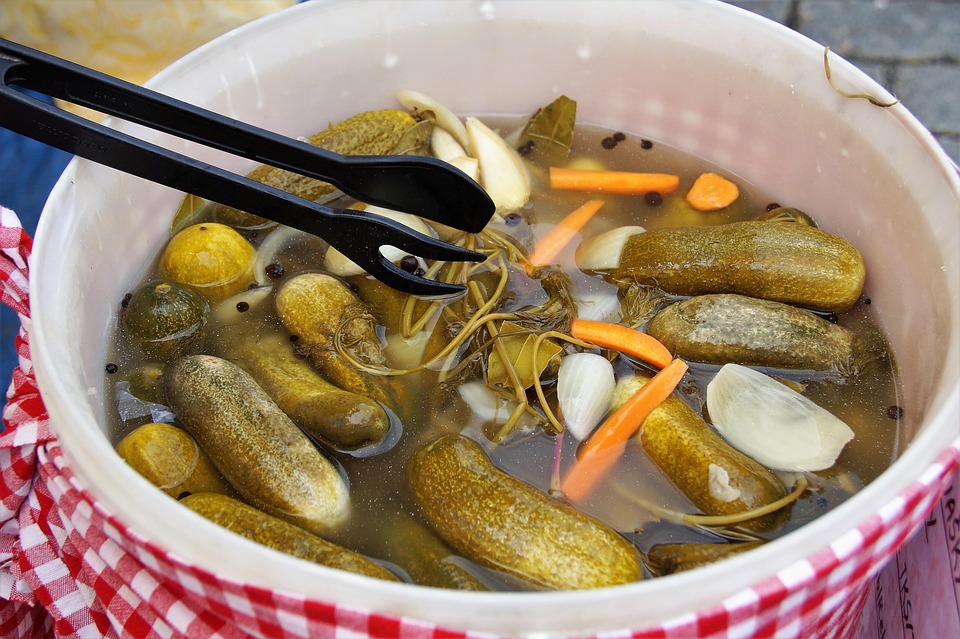

Pickle juice has emerged as an unexpected remedy for muscle cramps, capturing the attention of athletes, fitness enthusiasts, and everyday individuals alike. Muscle cramps can strike at any time, causing discomfort and interrupting physical activities. These involuntary contractions can be triggered by dehydration, overuse, or electrolyte imbalances. Finding effective relief is essential for anyone engaged in strenuous exercise or those experiencing frequent muscle spasms in daily life.

The unique properties of pickle juice may provide a simple and effective solution. Rich in electrolytes, particularly sodium and potassium, pickle juice can help restore balance in the body. This restoration is crucial for muscle function and can alleviate the painful sensations associated with cramps. The idea that a sour liquid could be a remedy might seem odd, yet many swear by its efficacy.
This guide delves into the science, practical applications, and essential tips surrounding the use of pickle juice for muscle cramp relief. By understanding its mechanisms and how to effectively incorporate it into your routine, you can harness its potential benefits. Whether you are a seasoned athlete or someone seeking relief from occasional cramps, the information here offers valuable insights.
Understanding how to implement this remedy into your lifestyle can lead to significant improvements in your comfort and performance. With a blend of scientific evidence and practical advice, this guide aims to empower you to take charge of your muscle health.
Contents
How to Use Pickle Juice for Real Results
- Best Form: Liquid pickle juice
- Best Time: 30 minutes before exercise or at the onset of cramps
- Expected Result: Rapid relief from muscle cramps
For Daily Protection
The Prep: Start with high-quality pickle juice, ideally from naturally fermented pickles. Look for options without added sugars or artificial preservatives. Measure out about two ounces for easy consumption.
The Action: Drink the prepared pickle juice about 30 minutes before engaging in physical activity. This proactive approach helps to ensure that your body has the necessary electrolytes to function optimally.
The Feeling: Upon consumption, you may experience a sharp, tangy sensation that can be invigorating. The relief from cramps can occur within minutes, often accompanied by a sense of hydration and rejuvenation.
Pro Tip: Consider mixing pickle juice with water if the flavor is too intense for you.
Targeting Acute Pain
The Prep: For immediate relief, have a bottle of pickle juice on hand. Ensure it is chilled for a refreshing effect, which can also enhance the experience.
The Action: As soon as you feel the onset of a muscle cramp, drink one to two ounces of pickle juice. The rapid intake is crucial for quick relief.
The Feeling: You might notice a tingling sensation as the liquid hits your system. Relief can often be felt within minutes, providing comfort and allowing you to resume your activities without significant downtime.
Pro Tip: Keep a small bottle of pickle juice in your gym bag for emergencies.
The Nighttime Routine
The Prep: Prepare your bedtime routine by having a small glass of pickle juice ready. This can help prevent nocturnal leg cramps that disrupt sleep.
The Action: About 30 minutes before bed, consume one ounce of pickle juice. This preemptive approach can help to stabilize electrolyte levels overnight.
The Feeling: The sharp taste may wake you up slightly, but the resulting calm in your muscles can lead to a more restful night. You might feel a sense of relaxation as your muscles release tension.
Pro Tip: Combine pickle juice with a light snack that includes carbohydrates for added benefits.
Common Errors to Avoid
Ignoring Quality
Using low-quality pickle juice can be detrimental to your efforts. Many commercial brands contain additives that dilute the natural benefits. Always choose organic or naturally fermented options, as these are rich in probiotics and essential nutrients.
A poor-quality product may not provide the expected relief. Opting for the best can make a significant difference in your results.
Overconsumption
Some individuals may believe that more is better and consume excessive amounts of pickle juice. This can lead to an overload of sodium, which may cause dehydration rather than alleviate cramps. Moderation is key.
Stick to the recommended dosage of one to two ounces. This approach helps maintain electrolyte balance without unnecessary risks.
Timing Mistakes
Failing to consume pickle juice at the right time can diminish its effectiveness. Drinking it too late, such as after a cramp has already set in, can reduce the potential benefits.
Plan ahead and incorporate it into your routine strategically. Consuming it before activities or at the first sign of cramping can maximize its effects.
The Science Behind the Relief
The biological mechanism of pickle juice’s effectiveness lies in its electrolyte content. Electrolytes play a critical role in muscle function. They help transmit signals between nerves and muscles, ensuring proper contraction and relaxation. When the body is depleted of these minerals, muscle cramps can occur.
The key compound in pickle juice is acetic acid, which may enhance the absorption of electrolytes. This can lead to quicker relief from cramps. The presence of sodium, potassium, and magnesium in pickle juice further supports muscle function and recovery.
Clinical evidence supports the use of pickle juice for muscle cramp relief. A study published in the Journal of Athletic Training found that participants who consumed pickle juice experienced a significant reduction in cramping duration compared to those who drank water. For more detailed insights, you can explore additional research at PubMed.
Choosing the Right Product
-
Potency: Look for pickle juice that contains a high concentration of electrolytes. This ensures that you receive adequate support for muscle function.
-
Purity: Choose products without artificial ingredients or excessive sugars. A pure product is more likely to provide the health benefits you seek.
-
Form: Liquid form is preferable for rapid absorption. Avoid powdered versions that may not deliver the same immediate effects.
Benefits vs Risks
| The Benefits | Potential Downsides |
|---|---|
| Quick relief from muscle cramps | High sodium content may not be suitable for everyone |
| Hydration support due to electrolyte restoration | Possible digestive discomfort for some individuals |
| Easy to incorporate into daily routines | Limited research on long-term effects |
Habits to Enhance Effectiveness
Incorporating regular stretching into your routine can significantly enhance muscle health. Stretching promotes flexibility and reduces the likelihood of cramps. This practice is especially beneficial before and after exercise.
Staying adequately hydrated is another essential habit. Drink water throughout the day, not just during workouts. Proper hydration supports overall muscle function and can prevent cramps from occurring.
Who Should Avoid This?
-
Individuals with high blood pressure should consult a healthcare provider before using pickle juice due to its sodium content.
-
Those with certain gastrointestinal conditions may experience discomfort and should proceed with caution.
-
Anyone allergic to vinegar or specific pickling agents should avoid pickle juice to prevent allergic reactions.
Common Questions
Can pickle juice really help with cramps?
Yes, many studies support its effectiveness in reducing the duration and intensity of muscle cramps.
How much pickle juice should I drink?
One to two ounces is typically recommended for effective relief.
Is there a better time to take pickle juice?
Taking it 30 minutes before exercise or at the onset of cramps can yield the best results.
Are there any side effects?
Some individuals may experience digestive discomfort or an increase in sodium intake.
The Bottom Line
Pickle juice can be a valuable tool for muscle cramp relief.
- The Truth: It may not work for everyone, and individual responses can vary.
- The Strategy: Use it strategically before activities or when cramps begin.
- The Next Step: Incorporate regular hydration and stretching into your routine for optimal muscle health.
Get Your FREE Natural Health Guide!
Subscribe now and receive our exclusive ebook packed with natural health tips, practical wellness advice, and easy lifestyle changes, delivered straight to your inbox.