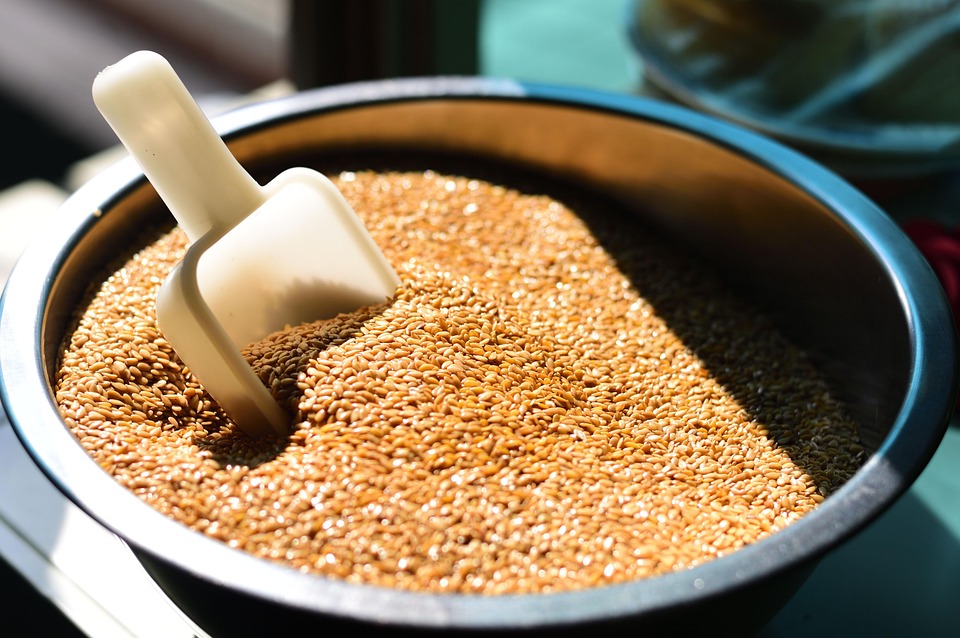

Flax seeds have emerged as a powerful ally in the quest for stronger bones. Many individuals overlook the importance of dietary choices in supporting bone health, often focusing solely on calcium and vitamin D. Flax seeds, however, offer a unique combination of nutrients that can effectively contribute to bone density and overall skeletal strength. This guide explores how incorporating flax seeds into your diet can help fortify your bones and improve your overall well-being.

The modern diet often lacks essential nutrients that promote bone health. While dairy products are commonly associated with calcium, many people are lactose intolerant or avoid dairy altogether. This can lead to deficiencies that compromise bone integrity. Flax seeds present an alternative source of vital nutrients that can play a crucial role in bone maintenance and growth. Their versatility makes them easy to incorporate into various meals, providing an accessible solution for anyone looking to enhance their bone health.
Understanding the specific mechanisms by which flax seeds can aid bone health is essential. These tiny seeds are rich in omega-3 fatty acids, lignans, and fiber. Omega-3 fatty acids have demonstrated anti-inflammatory properties, which can be beneficial for maintaining bone density. Lignans, a type of phytoestrogen, may help balance hormones that influence bone health, particularly in postmenopausal women. As awareness of the importance of holistic wellness grows, flax seeds stand out as an impressive food that can make a significant difference.
This guide delves deep into the practical applications, common mistakes, scientific mechanisms, and lifestyle integrations associated with flax seeds. By the end, you will have a comprehensive understanding of how to leverage this superfood for stronger bones and a healthier life.
Contents
How to Use Flax Seeds for Real Results
- Best Form: Ground flax seeds
- Best Time: Morning or added to meals
- Expected Result: Improved bone density and overall health
For Daily Protection
The Prep: Gather ground flax seeds, a smoothie base like almond milk, and fruits such as bananas and berries. Choose a blender that can handle fibrous ingredients for a smooth blend.
The Action: Add one to two tablespoons of ground flax seeds to your smoothie. Blend until smooth. You can also sprinkle flax seeds over oatmeal or yogurt for added crunch and nutrition.
The Feeling: A well-prepared smoothie feels creamy and satisfying. The addition of flax seeds enhances the texture without overwhelming the flavor, making it a delightful morning treat.
Pro Tip: Store ground flax seeds in an airtight container in the refrigerator to maintain freshness and prevent rancidity.
Enhancing Salads
The Prep: Prepare a fresh salad with leafy greens, cherry tomatoes, cucumbers, and your favorite dressing. Have ground flax seeds ready for sprinkling.
The Action: After assembling your salad, sprinkle one tablespoon of ground flax seeds on top. Toss the salad lightly to distribute the seeds evenly.
The Feeling: The flax seeds add a nutty flavor and a slight crunch to your salad. This combination not only enhances taste but also boosts nutritional value, promoting stronger bones.
Pro Tip: Combine flax seeds with a citrus dressing to enhance absorption of nutrients due to the vitamin C content.
The Evening Snack
The Prep: Choose a snack option such as Greek yogurt or cottage cheese. Have some honey and ground flax seeds available.
The Action: In a bowl, mix one cup of Greek yogurt with one tablespoon of ground flax seeds. Drizzle honey on top for sweetness and mix thoroughly.
The Feeling: This snack feels rich and creamy, with a satisfying crunch from the flax seeds. The combination keeps you feeling full and nourished, supporting bone health even late in the day.
Pro Tip: Pair this snack with a handful of berries for additional antioxidants that support overall health.
Avoiding Common Errors
Neglecting to Grind the Seeds
Many individuals consume whole flax seeds, which can pass through the digestive system undigested. This means that the body does not absorb the essential nutrients contained within. Grinding the seeds is crucial for unlocking their full nutritional potential.
To solve this issue, always choose ground flax seeds or grind whole seeds just before use. A coffee grinder or high-speed blender can be effective tools for this purpose.
Overlooking Storage Conditions
Flax seeds are sensitive to light and heat. Storing them improperly can lead to rancidity and a loss of nutritional value. Many people make the mistake of keeping flax seeds in a pantry where they are exposed to these conditions.
To avoid this pitfall, store flax seeds in an airtight container in the refrigerator. This will help preserve their freshness and prevent spoilage, ensuring you receive the maximum health benefits.
Inconsistent Usage
Some individuals may try flax seeds for a short period and then stop due to lack of immediate results. Bone health is a gradual process that requires consistent dietary changes.
To maintain the benefits of flax seeds, incorporate them into your daily routine. Whether through smoothies, salads, or snacks, regular consumption will yield better long-term results for bone strength and overall health.
The Science Behind Flax Seeds
Flax seeds contain lignans, omega-3 fatty acids, and fiber, all of which contribute to their beneficial effects on bone health. Lignans have phytoestrogen properties that can help maintain hormonal balance, particularly in women who are postmenopausal. This balance is crucial for preventing bone loss.
The omega-3 fatty acids found in flax seeds, specifically alpha-linolenic acid, play a role in reducing inflammation. Chronic inflammation can negatively affect bone density. By incorporating flax seeds into the diet, individuals may experience reduced inflammation, thereby enhancing bone health.
Clinical studies have shown that flax seeds can positively impact bone density. Research indicates that regular consumption of flax seeds can lead to improved bone mineral density, particularly in postmenopausal women. For further information, visit this PubMed search for relevant studies.
Choosing the Right Product
-
Potency: Look for products that specify the amount of omega-3 fatty acids and lignans per serving. Potency matters because it directly influences the effectiveness of flax seeds in promoting bone health.
-
Purity: Ensure that the flax seeds are organic and free from additives or preservatives. Pure products provide the highest quality nutrients without harmful chemicals that may interfere with health benefits.
-
Form: Ground flax seeds are often more beneficial than whole seeds due to better absorption. Choosing the right form can significantly impact your body’s ability to utilize the nutrients effectively.
Weighing the Pros and Cons
| The Benefits | Potential Downsides |
|---|---|
| Rich in omega-3 fatty acids, promoting anti-inflammatory effects | Can cause digestive discomfort if consumed in excess |
| High in lignans, supporting hormonal balance | May interact with certain medications, requiring caution |
| Easy to incorporate into various meals | Requires proper storage to maintain freshness |
Complementary Lifestyle Habits
Regular weight-bearing exercises can significantly enhance the benefits of flax seeds. Activities such as walking, running, or resistance training stimulate bone formation and promote bone density. Combining these exercises with a nutrient-rich diet creates a powerful strategy for maintaining strong bones.
Adequate hydration is also crucial. Water helps transport nutrients throughout the body and supports metabolic processes. Staying hydrated ensures that your body effectively utilizes the nutrients from flax seeds and other foods.
Who Should Avoid This?
- Individuals with a history of hormone-sensitive conditions
- People taking blood-thinning medications
- Those with gastrointestinal disorders, such as irritable bowel syndrome
- Pregnant or breastfeeding women without consulting a healthcare provider
Common Questions
How many flax seeds should I consume daily?
A general recommendation is one to two tablespoons of ground flax seeds per day for optimal health benefits.
Can flax seeds help with weight loss?
Flax seeds are high in fiber, which can promote satiety and reduce overall calorie intake, potentially aiding in weight loss.
Are there any side effects to flax seeds?
Some individuals may experience digestive discomfort, particularly if they consume too many seeds without adequate water intake.
Can I use flax seed oil instead of whole seeds?
Flax seed oil contains omega-3 fatty acids but lacks the fiber and lignans found in whole seeds. For bone health, whole seeds or ground flax seeds are recommended.
The Bottom Line
Incorporating flax seeds into your diet can significantly contribute to stronger bones and overall health.
- The Truth: Flax seeds are not a complete substitute for traditional bone health supplements.
- The Strategy: Use ground flax seeds daily in various meals for best results.
- The Next Step: Make a habit of adding flax seeds to your breakfast for a nutritious start.
Get Your FREE Natural Health Guide!
Subscribe now and receive our exclusive ebook packed with natural health tips, practical wellness advice, and easy lifestyle changes, delivered straight to your inbox.