
Watermelon, often regarded as a quintessential summer fruit, does more than just quench thirst. Its vibrant red flesh and refreshing taste make it a popular choice for hydration, but its health benefits extend far beyond simple refreshment. High blood pressure, or hypertension, affects millions worldwide and is often linked to serious health complications. The quest for natural solutions to manage blood pressure has led many to explore dietary options. Watermelon emerges as a promising candidate due to its unique nutritional profile.
The primary components of watermelon include water, vitamins, and antioxidants, particularly citrulline. Citrulline is an amino acid that has garnered attention for its potential to support cardiovascular health. This fruit’s high water content also aids in maintaining proper hydration levels, which is crucial for overall wellness. As more individuals seek holistic approaches to health, understanding how watermelon can support healthy blood pressure becomes increasingly relevant.
Incorporating watermelon into one’s diet can be an enjoyable yet effective strategy to promote cardiovascular health. It is not just about enjoying the fruit on its own; various culinary uses can enhance its benefits. Whether blended into smoothies, added to salads, or consumed as juice, the versatility of watermelon allows for creative meal planning while reaping its health benefits.
The following guide delves into the mechanisms through which watermelon supports healthy blood pressure, practical applications for everyday use, and common pitfalls to avoid. By understanding the science behind this delicious fruit, individuals can make informed choices to enhance their health and well-being.
Contents
How to Use Watermelon for Real Results
- Best Form: Fresh slices or juice
- Best Time: Morning or post-workout
- Expected Result: Enhanced hydration and improved blood vessel function
For Daily Protection
The Prep: Start with a ripe watermelon. Select one that feels heavy for its size and has a uniform shape. Gather a sharp knife and a cutting board. You may also want a blender if you prefer a smoothie.
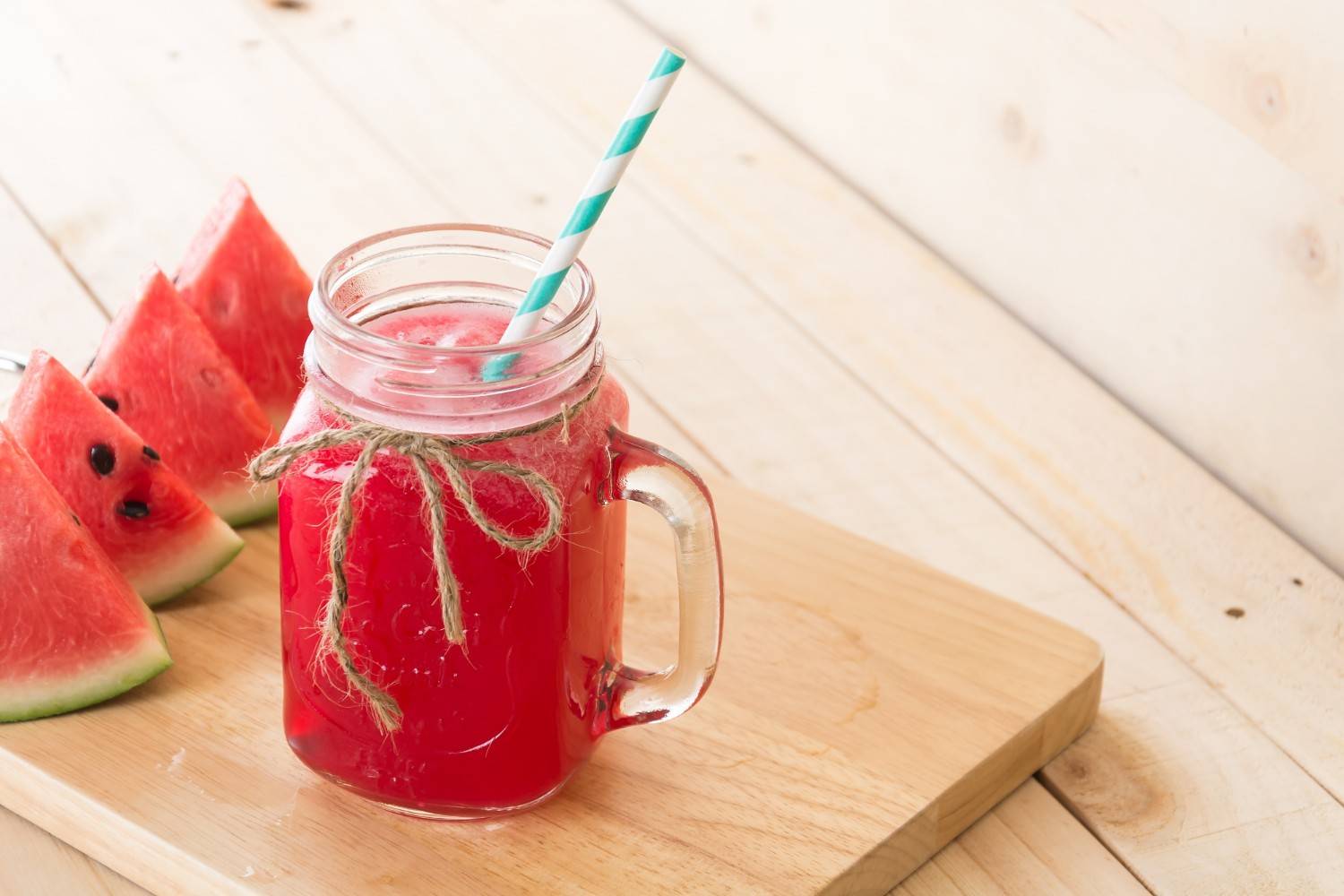
The Action: Cut the watermelon in half and scoop out the flesh using a spoon. Blend the flesh until smooth. For added flavor, consider mixing in a squeeze of lime or a handful of mint. Serve chilled to enhance the refreshing qualities.
The Feeling: After consuming, expect a cooling sensation as the watermelon hydrates your body. The natural sugars provide a quick energy boost, and the hydration can help you feel revitalized for several hours.
Pro Tip: Pair watermelon with a sprinkle of sea salt to enhance flavor and improve electrolyte balance.
Targeting Acute Pain
The Prep: Choose a smaller watermelon, as you will need less for this application. Gather a blender, strainer, and a bowl.
The Action: Cut the watermelon into quarters and remove the rind. Blend the flesh until liquefied. Strain the juice into a bowl to remove pulp. Chill the juice in the refrigerator for an hour before consumption.
The Feeling: Drinking this juice can create a refreshing and soothing sensation. The hydration can relieve discomfort and provide a sense of relief from heat or exertion.
Pro Tip: Add a few basil leaves for an aromatic twist and additional health benefits.
The Nighttime Routine
The Prep: Use a small slice of watermelon and a juicer. Consider adding a dash of ginger for an extra health boost.
The Action: Juice the watermelon slice and mix it with ginger juice. Consume this concoction about an hour before bedtime. The natural sugars in the watermelon can help regulate blood sugar levels overnight.
The Feeling: This drink may promote relaxation and a sense of calm. The hydration will keep you comfortable during the night, potentially aiding sleep quality.
Pro Tip: Avoid consuming large quantities close to bedtime to prevent nighttime bathroom trips.
Common Pitfalls to Avoid
Choosing Overripe or Underripe Watermelon
Selecting the right watermelon is crucial for maximizing its health benefits. Overripe watermelons can have a mushy texture and may not provide the desired taste or nutritional content. Conversely, underripe watermelons lack the sweetness and hydration properties that make them beneficial. Always check for firmness and uniform coloring when selecting your fruit.
To ensure optimal benefits, look for watermelons that are heavy for their size and have a dull skin. The field spot should be creamy yellow, indicating ripeness.
Neglecting Other Dietary Factors
Focusing solely on watermelon while ignoring overall dietary patterns can limit its effectiveness. While watermelon can support healthy blood pressure, it should be part of a balanced diet rich in fruits, vegetables, whole grains, and lean proteins. Neglecting other food groups can lead to nutrient deficiencies.
Incorporate a variety of foods that provide essential vitamins and minerals. Pairing watermelon with leafy greens and healthy fats can enhance its benefits and promote cardiovascular health.
Overconsumption of Watermelon Juice
While watermelon juice is a refreshing option, drinking it in excess can lead to a high intake of natural sugars. This can be counterproductive for those monitoring their blood sugar levels or trying to manage weight. Moderation is key.
Limit juice consumption to a small serving and focus on whole fruit intake. Whole watermelon offers fiber, which aids digestion and helps regulate blood sugar levels.
The Science Behind Watermelon’s Benefits
The biological mechanism through which watermelon supports healthy blood pressure involves its high content of citrulline. Once consumed, citrulline is converted into another amino acid called arginine. Arginine plays a vital role in the production of nitric oxide, which helps relax blood vessels and improve circulation. This relaxation can lead to lower blood pressure levels.
Citrulline is the key compound responsible for watermelon’s cardiovascular benefits. Studies have shown that citrulline supplementation can lead to reduced blood pressure and improved arterial function. This amino acid aids in increasing blood flow, which is essential for cardiovascular health.
Clinical evidence supports the effectiveness of citrulline in promoting healthy blood pressure. A study published in the journal “Nutrients” highlights how citrulline supplementation can improve arterial stiffness and overall vascular health. For further reading, check out the study here: Citrulline and Blood Pressure.
Choosing the Right Product
– Potency: Look for watermelon products that offer high levels of citrulline. Higher potency means more effective results in supporting blood pressure.
– Purity: Choose options that contain no added sugars or artificial ingredients. Pure products ensure that you receive the maximum health benefits without unnecessary additives.
– Form: Fresh fruit is often the best option. However, if using juice or supplements, ensure they are from reputable sources to guarantee quality and effectiveness.
Benefits vs Risks
| The Benefits | Potential Downsides |
|---|---|
| Rich in hydration | High natural sugar content |
| Contains citrulline for improved circulation | May cause digestive discomfort in excess |
| Low in calories, making it a weight-friendly option | Not a standalone solution for hypertension |
Habits to Enhance Your Health
Incorporating regular physical activity into your daily routine can significantly support cardiovascular health. Aim for at least 150 minutes of moderate-intensity exercise weekly. This can help manage blood pressure levels effectively.
Practicing mindfulness or stress-reduction techniques can also contribute to healthier blood pressure. Consider activities like yoga or meditation to promote relaxation and overall well-being.
Who Should Avoid This?
– Individuals with specific allergies to watermelon.
– Those with diabetes should monitor their intake due to natural sugars.
– People on certain medications for blood pressure should consult with healthcare providers before increasing watermelon consumption.
Common Questions
Can watermelon help lower blood pressure?
Yes, watermelon contains citrulline, which may help improve blood vessel function and reduce blood pressure.
Is watermelon safe for diabetics?
Moderation is key. While watermelon has natural sugars, it can be enjoyed in small amounts.
How much watermelon should I eat daily?
A serving of one to two cups daily is generally recommended for health benefits.
Can I substitute watermelon juice for whole fruit?
While juice can be beneficial, whole fruit offers additional fiber and nutrients.
The Bottom Line
Watermelon can be a delicious addition to a heart-healthy diet.
- The Truth: It is not a cure for hypertension but can be a supportive dietary choice.
- The Strategy: Enjoy watermelon in the morning or after workouts for optimal benefits.
- The Next Step: Incorporate regular exercise and stress management techniques into your lifestyle.
Get Your FREE Natural Health Guide!
Subscribe now and receive our exclusive ebook packed with natural health tips, practical wellness advice, and easy lifestyle changes, delivered straight to your inbox.