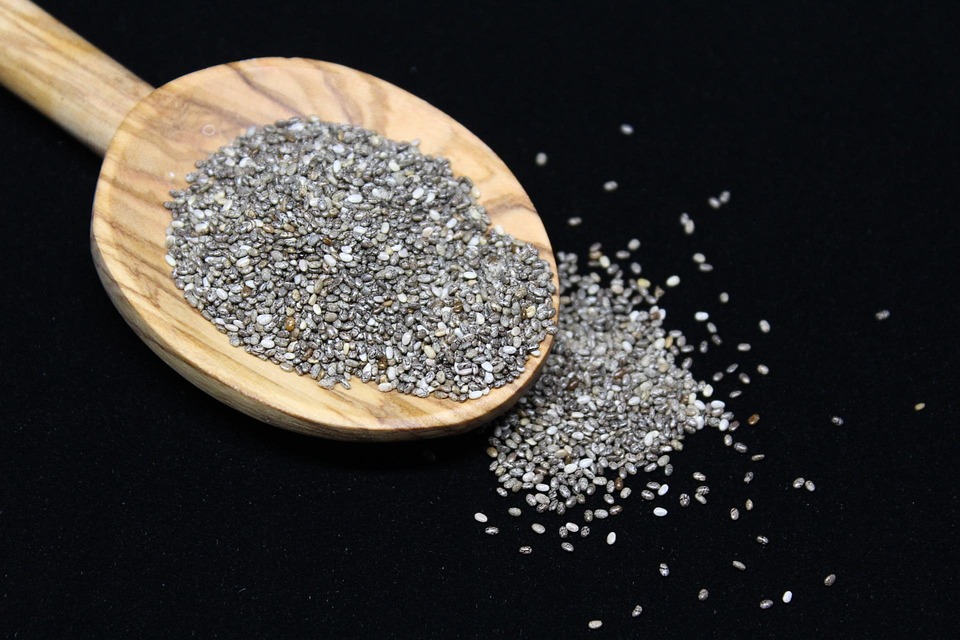

Chronic gut inflammation can lead to a myriad of health issues, including digestive disorders, autoimmune diseases, and even mood disturbances. Many individuals are seeking natural solutions to alleviate these problems. One such solution is a tiny superfood that has gained significant attention in recent years: chia seeds. These tiny seeds pack a powerful nutritional punch and offer numerous benefits for gut health and inflammation management.
Chia seeds, derived from the Salvia hispanica plant, are rich in omega-3 fatty acids, fiber, and antioxidants. These components not only nourish the body but also actively support gut health. The soluble fiber present in chia seeds forms a gel-like substance when mixed with water, which can help to soothe the digestive tract and promote regular bowel movements. This gel can also act as a prebiotic, feeding beneficial gut bacteria and supporting a balanced microbiome.
Incorporating chia seeds into your diet may seem daunting, but it is a simple process. With a variety of ways to enjoy them, from smoothies to baked goods, chia seeds can easily fit into any meal plan. Understanding how to effectively utilize these seeds can lead to significant improvements in gut health and overall well-being.
This guide delves into the practical applications of chia seeds for soothing gut inflammation, common mistakes to avoid, the science behind their benefits, and tips for selecting the right product. Whether you’re looking to improve your digestive health or simply want to add a nutritious element to your diet, chia seeds may be a valuable addition.

Contents
How to Use Chia Seeds for Real Results
- Best Form: Whole or ground seeds
- Best Time: Morning or as part of a meal
- Expected Result: Reduced inflammation and improved digestion
For Daily Protection
The Prep: Start with 2 tablespoons of chia seeds, 1 cup of your favorite plant-based milk, and a sweetener of choice. You can also include fruits like bananas or berries for added flavor and nutrients. A small bowl or jar will work perfectly for mixing.
The Action: Combine the chia seeds and milk in your bowl or jar. Stir well to ensure the seeds are evenly distributed. Allow the mixture to sit for at least 30 minutes or overnight in the refrigerator. This resting time allows the seeds to absorb the liquid and form a gel-like consistency.
The Feeling: Upon consuming this chia pudding, you may experience a sense of fullness and satisfaction. The creamy texture coupled with the nutrients can create a soothing sensation in your stomach, lasting several hours.
Pro Tip: Prepare a larger batch to enjoy throughout the week.
Targeting Acute Pain
The Prep: For acute inflammation, blend 1 tablespoon of chia seeds with 1 cup of water and a squeeze of lemon juice. This mixture should be consumed fresh, so prepare it right before drinking.
The Action: Mix the chia seeds and water in a blender until fully combined. If desired, add the lemon juice for an extra boost of vitamin C, which may help with inflammation. Drink this mixture immediately to benefit from its soothing properties.
The Feeling: After consuming, expect a cooling sensation in your stomach. The chia seeds will help to coat the digestive tract, providing relief from discomfort. This effect can last for several hours, making it a great option for acute flare-ups.
Pro Tip: Keep a batch ready in your fridge for quick access during flare-ups.
The Nighttime Routine
The Prep: Use 1 tablespoon of chia seeds, 1 cup of almond milk, and a teaspoon of honey or maple syrup. Combine these ingredients in a small jar or bowl for an easy nighttime treat.
The Action: Mix the chia seeds and almond milk thoroughly. Add your sweetener of choice and stir again. Let this mixture sit in the refrigerator for at least two hours, or overnight. This overnight soak enhances the gel-like texture.
The Feeling: Consuming this pudding before bed can promote a feeling of calm and comfort in your stomach. The high fiber content supports digestion overnight, allowing for a more restful sleep.
Pro Tip: Pair with herbal tea for added relaxation before sleep.
Avoiding Common Missteps
Using Low Quality Seeds
Using low-quality chia seeds can undermine their health benefits. Not all chia seeds are created equal. Some may be contaminated or lack freshness, leading to diminished nutritional value. High-quality seeds are essential for maximizing their anti-inflammatory properties.
To ensure you are using high-quality chia seeds, purchase from reputable brands. Look for organic certifications and check for freshness dates. Proper storage is also crucial. Keep them in a cool, dark place to maintain their efficacy.
Neglecting to Soak
Many people consume chia seeds without soaking them first. This can lead to digestive discomfort. Soaking chia seeds allows them to expand, forming a gel that is easier to digest and more beneficial for gut health.
To avoid this mistake, always soak chia seeds in liquid for at least 30 minutes. This step enhances their digestibility and maximizes their health benefits. You can add them to smoothies or water and let them sit before consumption.
Overconsumption
Overconsumption of chia seeds can lead to gastrointestinal issues. While they are highly nutritious, moderation is key. Excessive fiber intake can cause bloating, gas, and discomfort.
To avoid this pitfall, limit your intake to 1-2 tablespoons per day, especially when starting. Gradually increase your consumption as your body adjusts to the added fiber. This will help minimize any potential digestive discomfort.
The Science Behind the Benefits
The biological mechanism by which chia seeds soothe gut inflammation largely revolves around their high fiber content. Soluble fiber forms a gel-like consistency when mixed with water. This gel coats the digestive tract, easing irritation and promoting regular bowel movements.
The key compound in chia seeds is alpha-linolenic acid, an omega-3 fatty acid. Omega-3s are known for their anti-inflammatory properties. They help reduce inflammation markers in the body, including those associated with gut health.
Clinical evidence supports the benefits of chia seeds for gut health. A study published in the journal Nutrients highlights the positive effects of chia seeds on inflammation markers and gut microbiota. For more information, you can explore the study here.
Choosing the Right Product
- Potency: Higher potency may offer more significant health benefits. Look for seeds with higher omega-3 content.
- Purity: Ensure the seeds are organic and free from additives. Pure seeds provide the best nutritional value.
- Form: Whole seeds retain freshness longer. Ground seeds may offer quicker absorption but can go rancid faster.
Understanding the Trade-Offs
| The Benefits | Potential Downsides |
|---|---|
| Rich in omega-3 fatty acids | May cause digestive discomfort if overconsumed |
| High in fiber for digestive support | Requires soaking for optimal digestion |
| Supports gut health and reduces inflammation | Quality can vary significantly among brands |
Integrating Healthy Habits
Incorporating regular exercise can enhance the benefits of chia seeds. Physical activity promotes healthy digestion and can reduce inflammation throughout the body. Aim for at least 30 minutes of moderate exercise most days of the week.
Mindful eating practices can also significantly improve gut health. Pay attention to your body’s hunger cues and eat slowly to allow for proper digestion. This practice can maximize the benefits of chia seeds and other nutritious foods.
Who Should Avoid This?
– Individuals with chia allergies
– Those with certain gastrointestinal disorders
– Individuals on blood-thinning medications
– People with a history of digestive issues who have not consulted a healthcare provider
Common Questions
Can chia seeds help with weight loss?
Chia seeds can promote a feeling of fullness due to their high fiber content, which may assist in weight management.
How should I store chia seeds?
Store chia seeds in a cool, dark place, preferably in an airtight container to maintain freshness.
Can I eat chia seeds every day?
Yes, consuming chia seeds daily can be beneficial. Just ensure to adjust your intake based on your body’s response.
Are there any side effects of consuming chia seeds?
Some individuals may experience digestive discomfort if they consume too many seeds without proper hydration.
The Bottom Line
Chia seeds offer a simple yet powerful way to support gut health and reduce inflammation.
- The Truth: They are not a cure-all and should be part of a balanced diet.
- The Strategy: Incorporate them into meals for maximum benefits.
- The Next Step: Consider pairing them with other anti-inflammatory foods.
Get Your FREE Natural Health Guide!
Subscribe now and receive our exclusive ebook packed with natural health tips, practical wellness advice, and easy lifestyle changes, delivered straight to your inbox.