
Green tea has emerged as a popular beverage in the wellness community, often praised for its numerous health benefits. With an increasing focus on detoxification and antioxidant support, many individuals seek natural solutions to enhance their overall well-being. The challenge lies in navigating through the myriad of options available, making it essential to understand how a simple cup of green tea can be a potent ally in your wellness journey.

The quest for optimal health often feels overwhelming. Many people grapple with issues like fatigue, stress, and even chronic inflammation. These conditions can stem from various sources, including poor dietary choices and environmental toxins. The good news is that incorporating green tea into your lifestyle can offer a refreshing approach to detoxification and antioxidant support, helping to combat these challenges effectively.
Scientific research has unveiled the remarkable properties of green tea, particularly its high concentration of antioxidants. These compounds, especially catechins, play a crucial role in neutralizing free radicals in the body. By doing so, they help reduce oxidative stress, a significant contributor to various health issues. This guide will explore the practical applications, common pitfalls, and the scientific backing behind green tea’s health benefits, equipping you with the knowledge to sip your way to wellness.
Incorporating green tea into your daily routine is not just about enjoying a warm beverage; it is about embracing a lifestyle that prioritizes health and well-being. This guide will provide you with the tools needed to make green tea a staple in your detox regimen, ensuring you reap its full benefits while avoiding common mistakes.
Contents
How to Use Green Tea for Real Results
- Best Form: Loose leaf or high-quality tea bags
- Best Time: Morning or early afternoon
- Expected Result: Enhanced energy levels and improved detoxification
For Daily Protection
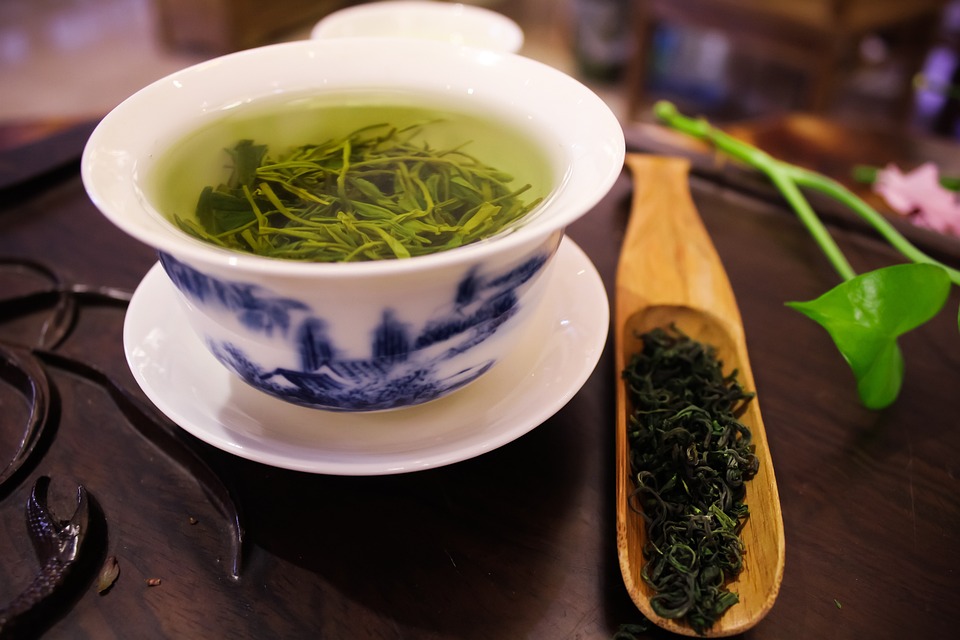
The Prep: Start your day with loose leaf green tea, which is often richer in nutrients than bagged varieties. You will need about one teaspoon of high-quality green tea leaves and water heated to around 175°F. This temperature helps preserve the delicate flavors and beneficial compounds.
The Action: Place the green tea leaves in a tea infuser or directly in your cup. Pour the hot water over the leaves and let them steep for about three minutes. This time will extract the optimal flavor and health benefits. Strain the leaves before enjoying your tea.
The Feeling: Upon sipping, you may experience a light, refreshing sensation. The warmth of the tea can provide a soothing effect, while the gentle caffeine boost can elevate your mood and energy levels, lasting for a few hours.
Pro Tip: Consider adding a slice of lemon to enhance the antioxidant effects and flavor.
Targeting Acute Pain
The Prep: For acute pain relief, prepare a concentrated green tea infusion. Use two teaspoons of loose leaf green tea and water heated to 180°F. This slightly higher temperature will help release more catechins, beneficial for reducing inflammation.
The Action: Follow the same steeping process but allow the tea to infuse for five minutes. If desired, you can add honey or ginger for additional anti-inflammatory benefits. Strain the tea and allow it to cool slightly before drinking.
The Feeling: As you sip, you may notice a tingling sensation, especially if you added ginger. This warmth can provide immediate comfort, while the potent antioxidants work to alleviate inflammation over time.
Pro Tip: Drink this infusion twice a day for maximum effect on pain relief.
The Nighttime Routine
The Prep: For a relaxing evening drink, use one teaspoon of green tea leaves, but opt for a decaffeinated variety to promote better sleep. Heat the water to around 160°F to avoid bitterness.
The Action: Steep the tea for three to four minutes, allowing the flavors to develop without the stimulating effects of caffeine. Strain and enjoy. You can also blend in chamomile for added relaxation benefits.
The Feeling: This calming tea can help you unwind, providing a gentle warmth as you sip. Many report a soothing feeling that promotes tranquility, preparing your mind and body for a restful night.
Pro Tip: Sip this tea an hour before bedtime to help signal your body that it is time to relax.
Avoiding Common Pitfalls
Using Low Quality Herbs
Choosing low-quality green tea can significantly diminish its health benefits. Many commercial brands offer tea bags filled with dust and fannings rather than whole leaves. These lower-quality products often lack the essential polyphenols and antioxidants found in high-quality loose leaf teas.
To ensure you are getting the most from your green tea, invest in reputable brands that source their leaves from established tea-growing regions. Look for organic options, as they are less likely to contain harmful pesticides and chemicals. Quality matters when it comes to health benefits.
Oversteeping the Tea
Steeping green tea for too long can lead to bitterness and an unwelcome experience. Oversteeping also diminishes the beneficial compounds, as excessive heat can break down the delicate catechins and other nutrients.
To avoid this mistake, adhere to recommended steeping times of two to three minutes. Use a timer to ensure consistency. This will ensure you enjoy the full flavor and health benefits without the bitter aftertaste.
Ignoring Temperature Control
Using water that is too hot can destroy the antioxidants in green tea. The ideal temperature is between 160°F and 180°F. Many people mistakenly boil water and pour it over the leaves, which can result in a harsh flavor and diminished health properties.
Utilize a thermometer or let boiling water sit for a minute before pouring it over the tea leaves. This simple adjustment can dramatically improve the taste and health benefits of your green tea.
Understanding the Mechanism
The biological mechanisms by which green tea exerts its health benefits are primarily linked to its rich content of catechins, particularly epigallocatechin gallate (EGCG). These compounds help neutralize free radicals and reduce oxidative stress, a major contributor to chronic diseases and aging processes. By reducing oxidative damage, green tea supports cellular health and longevity.
EGCG is the key compound responsible for much of green tea’s reputation as a superfood. This catechin has been shown to possess anti-inflammatory, anti-cancer, and heart-protective properties. It works by modulating various biochemical pathways, enhancing the body’s natural detoxification processes, and promoting overall metabolic health.
Clinical studies have demonstrated the effectiveness of green tea in reducing oxidative stress and inflammation. For detailed research findings, consult the clinical evidence available at PubMed. These studies support the use of green tea as a complementary approach to enhance health and wellness.
Choosing the Right Product
– **Potency:** Higher potency teas often contain more beneficial compounds. Look for teas that specify their catechin content on the packaging to ensure you are receiving a robust dose of antioxidants.
-
Purity: Select organic green tea to avoid exposure to pesticides and additives. Pure teas are more likely to deliver the health benefits you seek without harmful contaminants.
-
Form: Loose leaf green tea is generally considered superior to tea bags. Loose leaves tend to contain more essential oils and flavor compounds, enhancing both the taste and health benefits of your tea.
Benefits vs Risks
| The Benefits | Potential Downsides |
|---|---|
| Rich in antioxidants that combat oxidative stress | May cause digestive discomfort in sensitive individuals |
| Supports heart health and weight management | Excessive caffeine can lead to anxiety or insomnia |
| Enhances metabolic rate and fat oxidation | Interactions with certain medications may occur |
Habits for Enhanced Wellness
Incorporating physical activity into your daily routine can complement the detoxifying effects of green tea. Regular exercise boosts circulation and encourages lymphatic drainage, enhancing the body’s ability to eliminate toxins.
Mindfulness practices, such as meditation or yoga, can further elevate your wellness journey. These practices promote mental clarity, reduce stress, and enhance the overall benefits of your green tea consumption.
Who Should Avoid This?
– Pregnant or breastfeeding women.
– Individuals with caffeine sensitivity.
– Those taking blood-thinning medications.
– People with certain liver conditions.
Common Questions
Can I drink green tea every day?
Yes, drinking green tea daily can provide sustained health benefits, including improved antioxidant levels and better hydration.
How much green tea should I consume?
Aim for two to three cups per day to maximize the health benefits without excessive caffeine intake.
Is there a best time to drink green tea?
Morning or early afternoon is ideal for most individuals, as it can enhance energy levels and focus without interfering with sleep.
Can green tea help with weight loss?
Green tea can boost metabolism and assist in fat oxidation, making it a beneficial addition to a weight loss regimen.
Final Thoughts
Making green tea a regular part of your routine can significantly enhance your wellness journey.
- The Truth: While green tea offers numerous benefits, it is not a cure-all.
- The Strategy: Consume it in the morning or early afternoon for optimal effects.
- The Next Step: Pair your green tea with regular physical activity for best results.
Get Your FREE Natural Health Guide!
Subscribe now and receive our exclusive ebook packed with natural health tips, practical wellness advice, and easy lifestyle changes, delivered straight to your inbox.