
The journey to parenthood can often be a challenging one, particularly for men facing fertility issues. Many factors contribute to sperm health, including lifestyle choices, nutrition, and environmental influences. One nutrient that has emerged as particularly beneficial for male fertility is folate, a B-vitamin often associated with leafy greens like spinach. This nutrient plays a crucial role in DNA synthesis and repair, making it vital for producing healthy sperm.

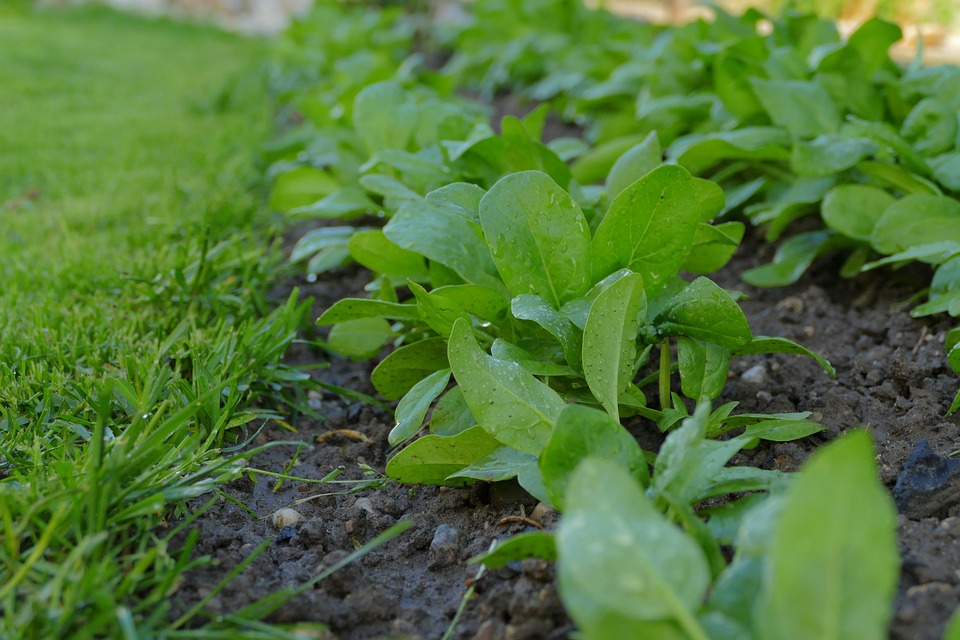
Spinach is an excellent source of folate, offering a convenient and nutritious way to enhance sperm quality. Incorporating spinach into your diet can be a simple yet effective strategy for boosting fertility. The benefits of folate extend beyond just sperm count; they also include improved motility and overall sperm health. This guide will delve into how to harness the power of spinach and its folate content to support reproductive health.
Understanding the importance of folate is the first step toward improving fertility. This guide will provide practical applications, common mistakes to avoid, and scientific insights to help you make informed decisions about your health. By the end, you will have a comprehensive understanding of how spinach folate can be a game-changer in your journey to fatherhood.
Taking proactive steps toward enhancing your fertility is not just about what you eat; it is about creating a holistic approach to health. Embracing the benefits of spinach can lead to significant improvements in sperm quality, paving the way for a healthier reproductive future.
Contents
How to Use Spinach for Real Results
- Best Form: Fresh or cooked spinach
- Best Time: Daily consumption
- Expected Result: Improved sperm health and quality
For Daily Nutrition
The Prep: Start with fresh spinach, ideally organic. You will need about two cups of spinach, which can be used in salads or smoothies. Gather additional ingredients like fruits, nuts, or yogurt to enhance the flavors and nutritional profile. A high-quality blender will also be useful if you’re making a smoothie.
The Action: Wash the spinach thoroughly to remove any dirt. If making a smoothie, add the spinach to the blender along with your choice of fruits, such as bananas or berries, and a protein source like Greek yogurt. Blend until smooth and enjoy immediately. If preparing a salad, toss the spinach with your favorite veggies, nuts, and a light dressing.
The Feeling: Consuming spinach will leave you feeling energized and refreshed. The combination of nutrients can lead to a sense of fullness while also providing a light, crisp texture. Expect to feel invigorated after incorporating spinach into your daily meals.
Pro Tip: Pair spinach with a source of vitamin C, such as citrus fruits, to enhance iron absorption.
In Smoothie Blends
The Prep: For this smoothie, gather two cups of fresh spinach, one banana, a half cup of Greek yogurt, and a cup of almond milk. You can also include a tablespoon of honey for added sweetness if desired.
The Action: Place all ingredients in a blender. Start by adding the almond milk, followed by the spinach, banana, yogurt, and honey. Blend on high until everything is well combined and smooth. Pour into a glass and enjoy as a nutritious breakfast or snack.
The Feeling: This spinach smoothie will be creamy and satisfying, with a slight sweetness from the banana and honey. The spinach flavor will be subtle yet refreshing, making it an enjoyable way to increase your folate intake.
Pro Tip: Add a scoop of protein powder for an extra boost to support muscle health and overall vitality.
As a Side Dish
The Prep: Prepare one cup of fresh spinach, a clove of garlic, and a drizzle of olive oil. You may also want to include spices like salt and pepper to taste.
The Action: Heat a skillet over medium heat and add the olive oil. Once hot, add minced garlic and sauté for about a minute until fragrant. Add the spinach and stir frequently until wilted, about two to three minutes. Season with salt and pepper to taste before serving.
The Feeling: Sautéed spinach will have a warm, tender texture, infused with the rich flavor of garlic. This dish can complement any meal, adding both nutrition and taste.
Pro Tip: Experiment with adding nuts or seeds for added crunch and healthy fats.
Common Pitfalls to Avoid
Ignoring Other Nutritional Factors
Many individuals focus solely on spinach and its folate content while neglecting other essential nutrients. A well-rounded diet is crucial for optimal sperm health. Vitamins like zinc and vitamin C, along with healthy fats, play significant roles in reproductive health. To improve fertility, ensure that you are consuming a variety of foods, including fruits, vegetables, lean proteins, and whole grains.
A diverse diet helps create a balanced nutrient profile that can significantly enhance sperm quality. If you focus only on one food source, like spinach, you may miss out on the synergistic effects of other nutrients that contribute to overall reproductive health.
Overcooking Spinach
Cooking spinach too long can lead to nutrient loss. While some cooking methods can enhance certain nutrients, overcooking can destroy folate and other water-soluble vitamins. To retain the nutritional value, aim for quick cooking methods like steaming or sautéing for short periods.
To maximize the benefits of spinach, consume a mix of raw and cooked forms. Use fresh spinach in salads or smoothies, and lightly cook it to enjoy in warm dishes while preserving its nutritional profile.
Neglecting Lifestyle Changes
Relying solely on dietary changes without addressing lifestyle factors can hinder your fertility efforts. Factors like stress, lack of sleep, and smoking can adversely affect sperm health. A holistic approach, including stress management techniques and regular exercise, is essential.
Incorporate habits such as meditation or yoga to reduce stress levels. Prioritize sleep to allow your body to recover and rejuvenate. By addressing these lifestyle factors, you can create a supportive environment for improved fertility.
The Biological Mechanism Unveiled
Folate plays a crucial role in DNA synthesis and repair, making it vital for the development of healthy sperm. Sperm cells require a stable and intact DNA structure for proper fertilization and embryo development. Insufficient folate levels can lead to DNA fragmentation, which negatively impacts sperm quality and fertility.
The key compound in spinach that contributes to its folate content is known as tetrahydrofolate. This form of folate is essential for the conversion of homocysteine to methionine, an amino acid that is crucial for the methylation processes in DNA. A healthy methylation process promotes normal gene expression and cellular function, further enhancing sperm quality.
Clinical studies have shown that increased folate intake is associated with improved sperm parameters. A study published in the journal Fertility and Sterility found a direct correlation between folate levels and sperm quality, highlighting the importance of this nutrient in male reproductive health. For more details on the clinical benefits of folate, visit NIH ODS Fact Sheet.
Choosing the Right Product
- Potency: Higher potency products may deliver more effective results. Look for supplements that provide the recommended daily intake of folate.
- Purity: Choose products free from additives and contaminants. Pure supplements ensure you receive the benefits without harmful substances.
- Form: Consider the form of folate, such as L-methyl folate, which is more bioavailable. This form is easier for the body to absorb and utilize effectively.
Benefits and Potential Downsides
| The Benefits | Potential Downsides |
|---|---|
| Improved sperm health and motility | Excessive consumption may lead to digestive issues |
| Supports DNA synthesis and repair | May interact with certain medications |
| Rich in antioxidants and vitamins | Not a substitute for a balanced diet |
Healthy Lifestyle Choices
Incorporating regular exercise into your routine can significantly enhance fertility. Physical activity improves blood circulation and hormone balance, which are both essential for reproductive health. Aim for at least 30 minutes of moderate exercise most days of the week.
Managing stress effectively is another crucial habit. High stress levels can negatively impact hormone production, affecting sperm quality. Techniques such as mindfulness, yoga, and deep-breathing exercises can help mitigate stress.
Who Should Avoid This?
- Individuals with certain medical conditions, such as kidney disease.
- People taking specific medications, like anticonvulsants, that may interact with folate.
- Those with a known allergy to spinach or related plants.
Common Questions
How much spinach should I eat for optimal fertility?
Aim for at least two cups of spinach per day to maximize folate intake.
Can I get enough folate from supplements?
While supplements can help, whole foods like spinach provide additional nutrients and benefits that supplements may lack.
Is it safe to eat spinach every day?
Yes, spinach is generally safe to consume daily, but moderation is key to avoiding potential digestive issues.
What other foods are high in folate?
Other folate-rich foods include lentils, asparagus, and fortified cereals.
The Bottom Line
Boosting fertility through dietary changes is a proactive approach to reproductive health.
- The Truth: Folate alone will not resolve fertility issues.
- The Strategy: Incorporate spinach into daily meals for maximum benefits.
- The Next Step: Consider lifestyle changes to support your fertility efforts.
Get Your FREE Natural Health Guide!
Subscribe now and receive our exclusive ebook packed with natural health tips, practical wellness advice, and easy lifestyle changes, delivered straight to your inbox.