
Peppermint tea has long been a soothing remedy for various digestive issues, particularly bloating. Many individuals experience discomfort from bloating due to factors like diet, stress, and lifestyle choices. This condition can lead to feelings of fullness, tightness, and even pain. If you have ever felt the frustration of dealing with bloating, you are not alone. This common issue can disrupt daily activities and affect overall well-being.

The good news is that peppermint tea offers a natural and effective solution. The combination of its aromatic properties and active compounds makes it a popular choice for alleviating bloating and promoting digestive health. By harnessing the power of peppermint tea, you can experience relief from discomfort and enhance your digestive function.
Understanding how to properly utilize peppermint tea is essential for maximizing its benefits. The method of preparation, timing, and frequency of consumption all play critical roles in how effectively it can soothe bloating. This guide will provide you with practical insights into using peppermint tea for optimal results.
The journey towards effective bloating relief begins with understanding the practical applications of peppermint tea. Let’s explore how this herbal remedy can become a valuable part of your wellness routine.
Contents
How to Use Peppermint Tea for Real Results
- Best Form: Loose leaf or tea bags
- Best Time: After meals
- Expected Result: Reduced bloating and improved digestion
For Daily Protection
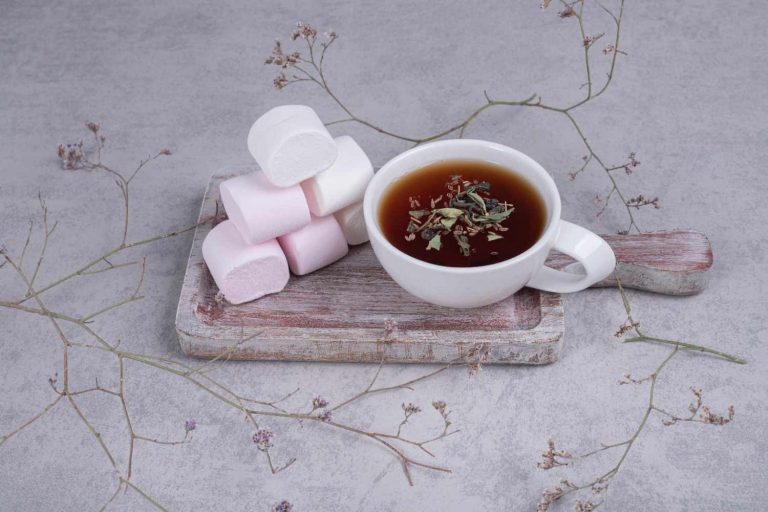
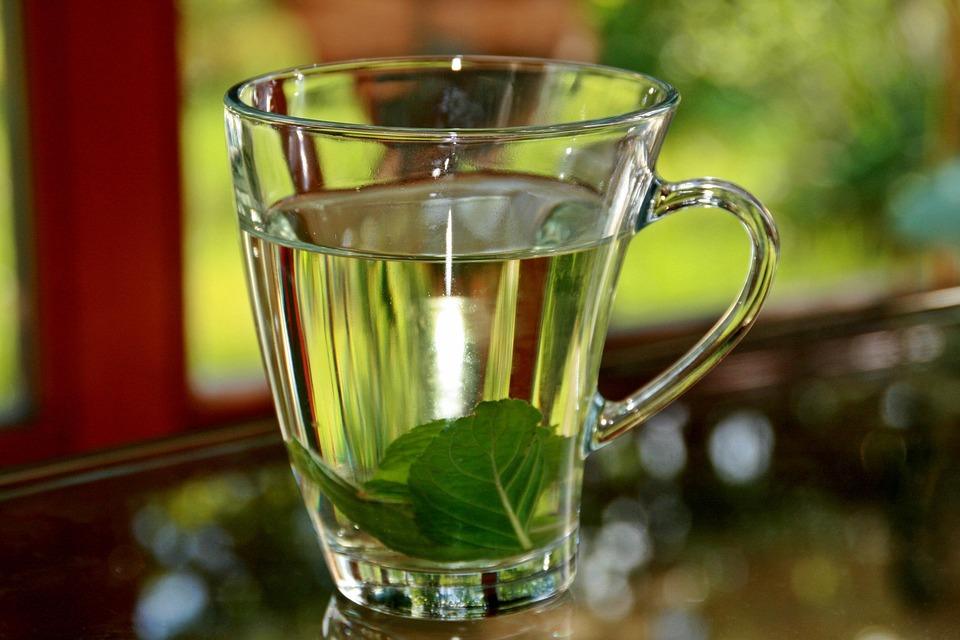
The prep for daily protection against bloating involves selecting high-quality peppermint leaves or tea bags. You will need about one teaspoon of dried peppermint leaves or one tea bag. Boil around eight ounces of water and allow it to cool slightly before pouring it over the peppermint. Steep for about five to ten minutes to extract the beneficial compounds effectively.
The action begins once the tea has steeped. Strain the leaves if using loose leaf tea or simply remove the tea bag. You can enjoy your peppermint tea plain or add a touch of honey for flavor. Take small sips to appreciate the aroma and taste while allowing the warmth to soothe your stomach. Consuming this tea after meals can help to ease any bloating that may arise.
The feeling of drinking peppermint tea is often refreshing and comforting. The cooling sensation can be felt in your mouth and throat, providing immediate relief. As the tea works through your digestive system, you may notice a gradual reduction in bloating and discomfort within 30 minutes to an hour.
Pro Tip: Consistently drinking peppermint tea after meals can help prevent bloating before it starts.
Targeting Acute Pain
To target acute bloating pain, you will need a stronger infusion of peppermint. Use two teaspoons of dried leaves for a more potent brew. Begin by boiling eight ounces of water and then add the peppermint leaves. Allow it to steep for about ten to 15 minutes. This longer steep time enhances the extraction of active compounds.
Once steeped, strain the tea to remove the leaves. Drink the tea slowly while focusing on your breathing. This can help to calm your nervous system and ease any stress that may contribute to bloating. You may choose to drink this tea at the first sign of discomfort to address the issue promptly.
The feeling of relief from acute pain can be quite profound. The menthol in peppermint acts as a natural analgesic, providing a cooling sensation that alleviates discomfort. Most individuals report feeling a noticeable difference within about 20 to 30 minutes after consumption, with bloating subsiding significantly.
Pro Tip: Pair the tea with mindful breathing exercises for enhanced relief.
The Nighttime Routine
For a calming nighttime routine, prepare your peppermint tea using one teaspoon of dried leaves or one tea bag. Boil water and let it cool slightly before pouring it over the peppermint. Steep for about five to seven minutes to create a soothing blend.
As part of your evening ritual, sip the tea while unwinding from the day. This can help signal to your body that it is time to relax. The warm tea can also aid digestion from your last meal, reducing the likelihood of nighttime bloating.
The feeling of sipping peppermint tea at night offers a calming effect that can help prepare you for sleep. The relaxing properties of peppermint can lead to a sense of tranquility, promoting a restful night. Many find that they wake up feeling lighter and more comfortable, with reduced bloating.
Pro Tip: Incorporate a short stretching routine after drinking the tea to further enhance relaxation.
Mistakes to Avoid with Peppermint Tea
Using Low Quality Herbs
One common mistake people make is using low-quality peppermint leaves or tea bags. Low-quality products may lack the active compounds necessary for effective bloating relief. They can also contain additives or preservatives that may irritate the digestive system. Always opt for organic, high-quality peppermint sourced from reputable suppliers to ensure maximum efficacy.
Investing in quality herbs not only enhances the flavor of your tea but also boosts its therapeutic properties. Quality peppermint will provide a more potent dose of menthol and other beneficial compounds that contribute to its soothing effects.
Overconsumption
Another mistake is overconsuming peppermint tea in hopes of achieving faster results. While peppermint is generally safe, excessive intake can lead to unwanted side effects such as heartburn or digestive discomfort. It is essential to limit your consumption to two to three cups per day to avoid these potential issues.
Moderation is key when it comes to herbal remedies. By sticking to a reasonable amount, you allow your body to benefit from the tea without overloading your digestive system. This approach will help maintain the effectiveness of peppermint tea as a soothing remedy.
Ignoring Personal Sensitivities
Some individuals may have specific sensitivities to peppermint. Ignoring these sensitivities can lead to adverse reactions. Symptoms may include allergic reactions or exacerbated heartburn, especially in those with gastroesophageal reflux disease. It is crucial to listen to your body and discontinue use if you experience any discomfort.
Being mindful of personal sensitivities allows you to tailor your approach to herbal remedies. If you are unsure about your tolerance, start with a small amount and gradually increase it while monitoring your body’s response.
The Science Behind Peppermint Tea
The biological mechanism of peppermint’s effectiveness in relieving bloating is linked to its ability to relax the muscles of the gastrointestinal tract. This relaxation helps to alleviate spasms and enhances the flow of bile, which is essential for fat digestion. The menthol in peppermint acts as a natural antispasmodic, providing relief from cramping and discomfort.
Key compounds in peppermint include menthol and menthone. Menthol is responsible for the cooling sensation experienced when consuming peppermint tea. It also has analgesic properties that can help reduce pain associated with bloating. Menthone contributes to the overall therapeutic effects, enhancing digestion and reducing gastrointestinal distress.
Clinical evidence supports the benefits of peppermint for digestive health. A study published in the journal PubMed found that peppermint oil capsules significantly reduced symptoms of bloating and abdominal pain in individuals with irritable bowel syndrome. The findings highlight the efficacy of peppermint in managing digestive discomfort.
Choosing the Right Product
– **Potency:** Look for products that specify the concentration of active compounds. Higher potency often leads to better results in relieving bloating.
– **Purity:** Ensure that the product is free from additives and artificial ingredients. Pure peppermint will provide a more effective and natural remedy.
– **Form:** Decide between loose leaves or tea bags based on your preference. Loose leaves may offer a fresher taste and stronger flavor, while tea bags provide convenience.
Pros & Cons
| The Benefits | Potential Downsides |
|---|---|
| Natural remedy for bloating | May cause heartburn in sensitive individuals |
| Soothing and calming effects | Quality can vary between brands |
| Easy to prepare and consume | Overconsumption may lead to digestive discomfort |
Habits for Enhanced Wellness
Incorporating regular physical activity into your routine can aid digestion and reduce bloating. Activities like walking or yoga can stimulate gastrointestinal movement and enhance overall digestive function.
Maintaining a balanced diet rich in fiber can also support digestive health. Consuming fruits, vegetables, and whole grains promotes regular bowel movements and minimizes bloating.
Who Should Avoid This?
– Individuals with gastroesophageal reflux disease (GERD)
– Pregnant women without consulting their healthcare provider
– Those with known allergies to peppermint
– Individuals taking medications that may interact with peppermint
Common Questions
Can peppermint tea help with nausea?
Yes, peppermint tea can help alleviate nausea due to its calming effects on the gastrointestinal tract.
How often can I drink peppermint tea?
It is generally safe to consume two to three cups per day. Adjust based on personal tolerance.
Is peppermint tea safe for children?
Peppermint tea can be safe for children, but it is best to consult a pediatrician before introducing it.
Can I drink peppermint tea on an empty stomach?
While it is usually safe, some individuals may experience discomfort. It is advisable to have it after meals for best results.
The Bottom Line
Incorporating peppermint tea into your wellness routine can significantly alleviate bloating and enhance digestive health.
- The Truth: Some individuals may experience sensitivity to peppermint.
- The Strategy: Drink it after meals for optimal results.
- The Next Step: Consider pairing it with a balanced diet and regular exercise.
Get Your FREE Natural Health Guide!
Subscribe now and receive our exclusive ebook packed with natural health tips, practical wellness advice, and easy lifestyle changes, delivered straight to your inbox.