
Matcha has gained significant attention in recent years, especially among health enthusiasts seeking natural solutions for longevity and overall well-being. The rising concerns about aging and cellular health have led many to explore dietary options that can enhance cellular function and promote longevity. The need for effective, natural ingredients to support cellular health is critical, as modern lifestyles often expose individuals to oxidative stress and inflammation, which can accelerate aging processes.

One promising candidate in this realm is matcha, a finely ground powder made from specially grown green tea leaves. Rich in antioxidants and other beneficial compounds, matcha offers a unique profile that may help combat cellular aging. As research continues to unveil the health benefits of matcha, it becomes increasingly apparent that this vibrant green powder plays a vital role in cellular longevity and health.
The unique cultivation and processing methods of matcha contribute to its high concentration of catechins, particularly epigallocatechin gallate (EGCG). These compounds are known for their potent antioxidant properties, and they have been linked to various health benefits, including improved metabolism and enhanced immune function. Understanding how matcha supports cellular health can empower individuals to incorporate it into their daily routines effectively.
As you delve into the potential of matcha, it is essential to explore practical applications, common pitfalls, and the scientific mechanisms behind its benefits. This guide aims to provide comprehensive insights into how matcha can be a valuable addition to your wellness toolkit, particularly in the pursuit of cellular longevity.
Contents
How to Use Matcha for Real Results
- Best Form: Powdered form for maximum freshness and potency.
- Best Time: Morning or early afternoon to optimize energy levels.
- Expected Result: Enhanced focus, reduced oxidative stress, and improved cellular function.
For Daily Protection
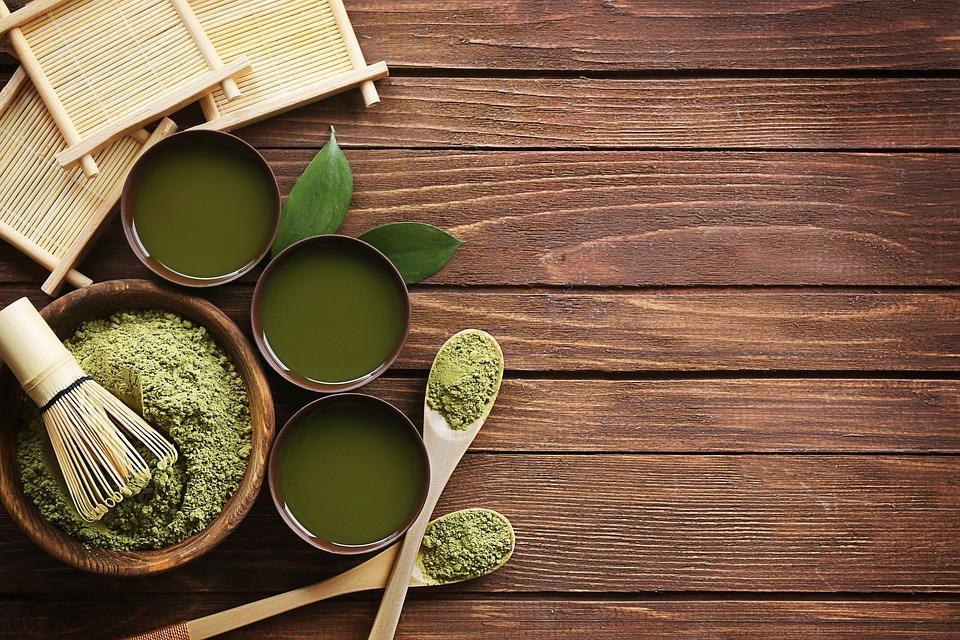
The Prep: Start with high-quality matcha powder, ideally ceremonial grade, to ensure maximum benefits. Gather hot water (not boiling), a whisk, and a bowl. A sifter can help eliminate clumps in the matcha, making for a smoother drink.
The Action: Sift 1-2 teaspoons of matcha into the bowl. Add about 2 ounces of hot water. Using a bamboo whisk, whisk briskly in a zig-zag motion until a frothy layer forms. Once frothy, add more hot water according to your preference for strength.
The Feeling: As you sip, notice the smooth, velvety texture that coats your tongue. The taste is slightly grassy with a hint of sweetness. Expect a gentle lift in energy without the jitters commonly associated with coffee. This feeling can last for several hours, providing sustained focus.
Pro Tip: Experiment with the water temperature. Too hot can make matcha bitter, while cooler water can enhance its sweetness.
Targeting Afternoon Slumps
The Prep: Gather your matcha powder, a shaker bottle, and your choice of milk or milk alternative. You can also include a sweetener like honey or agave for taste.
The Action: Combine 1 teaspoon of matcha powder with 8 ounces of your chosen milk in the shaker bottle. Add a teaspoon of sweetener if desired. Seal the bottle and shake vigorously until well mixed. Pour over ice for a refreshing afternoon treat.
The Feeling: The creamy consistency of the matcha latte will provide a satisfying mouthfeel. Expect a refreshing coolness as you sip, alongside a gradual increase in alertness and clarity. This drink can help you power through the rest of your day.
Pro Tip: For an added antioxidant boost, sprinkle some cinnamon on top before serving.
The Nighttime Routine
The Prep: For a calming evening drink, prepare high-quality matcha, warm milk, and a pinch of vanilla extract. Ensure your workspace is quiet and free of distractions.
The Action: In a small saucepan, gently warm 1 cup of milk. Add 1 teaspoon of matcha powder and a pinch of vanilla extract. Whisk until fully combined. Pour into a mug and enjoy the warm, soothing beverage.
The Feeling: This drink offers a cozy warmth that can help signal relaxation. The gentle, earthy flavor of matcha, combined with the creaminess of milk, creates a comforting experience. You may feel a sense of calm as you wind down, promoting better sleep.
Pro Tip: Consider using oat milk for a naturally sweet flavor that pairs well with matcha.
Common Errors to Avoid
Using Low Quality Matcha
Many consumers overlook the importance of matcha quality. Lower-grade matcha often contains less beneficial compounds and may have a bitter taste. Choosing high-quality, ceremonial-grade matcha ensures maximum health benefits.
Opting for cheaper options can lead to disappointment in flavor and efficacy. Look for vibrant green color, which indicates freshness and high chlorophyll content. Always check for reputable brands that provide information about sourcing and quality standards.
Neglecting Proper Storage
Storing matcha improperly can diminish its health benefits. Exposure to light, air, and moisture can degrade the quality of matcha, leading to loss of flavor and nutrients.
Always store matcha in an airtight container in a cool, dark place. Consider using a dark glass jar to protect it from light. Proper storage will help maintain its potency and ensure you receive the full range of benefits.
Overconsumption
While matcha is beneficial, moderation is key. Consuming excessive amounts can lead to side effects such as insomnia or digestive issues due to its caffeine content.
Limit your intake to 1-2 servings per day. This approach allows you to enjoy the benefits without overwhelming your system. Listen to your body and adjust your consumption accordingly.
The Mechanisms Behind Matcha’s Benefits
The biological mechanisms by which matcha supports cellular health are complex. The high concentration of antioxidants, particularly catechins, helps neutralize free radicals in the body. This action reduces oxidative stress, which is a significant contributor to cellular aging and various diseases. By lowering oxidative stress, matcha promotes healthier cellular function and longevity.
Epigallocatechin gallate (EGCG) is the key compound responsible for many of matcha’s benefits. Research has shown that EGCG can enhance autophagy, a process where cells remove damaged components. This process is crucial for maintaining cellular health and preventing age-related degeneration. The presence of EGCG in matcha can help promote longevity at the cellular level.
Clinical studies have begun to substantiate the health claims associated with matcha. For a comprehensive review of the benefits of green tea and its components, including matcha, you can refer to this PubMed search. These studies highlight the potential of matcha in improving metabolic health, reducing inflammation, and enhancing overall well-being.
Choosing the Right Product
- Potency: The potency of matcha can vary widely. Higher potency means more beneficial compounds, which can enhance its effectiveness.
- Purity: Look for matcha that is 100% pure without additives. Purity ensures you receive the full spectrum of health benefits.
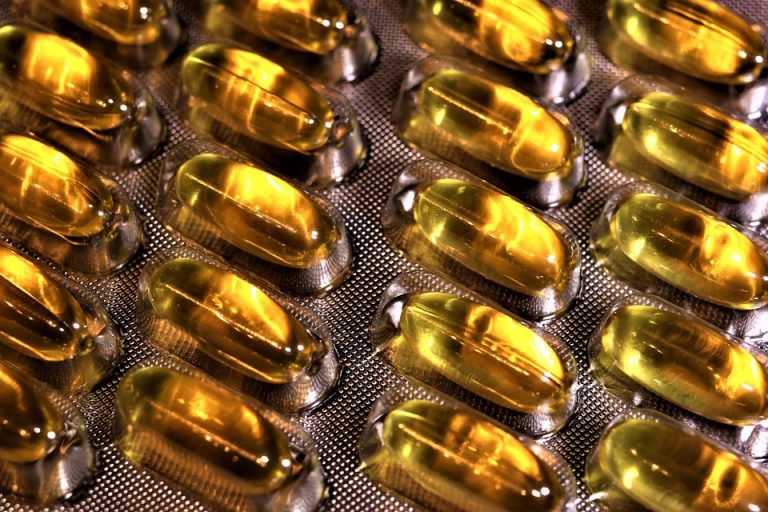
- Form: Matcha is available in various forms, including powder and capsules. The powdered form is often preferred for its versatility and ease of use.
Benefits vs Risks
| The Benefits | Potential Downsides |
|---|---|
| Rich in antioxidants promoting cellular health | May cause digestive discomfort if overconsumed |
| Boosts metabolism and aids weight management | Contains caffeine, which may disrupt sleep if consumed late |
| Enhances focus and mental clarity | Quality can vary significantly between brands |
Habits to Enhance Benefits
Incorporating regular physical activity can further enhance the benefits of matcha. Exercise increases blood circulation, which helps deliver matcha’s beneficial compounds throughout the body more effectively.
Mindfulness practices, such as meditation or yoga, can also complement matcha consumption. These practices help reduce stress, which can positively impact cellular health.
Who Should Avoid This?
– Pregnant or breastfeeding individuals should consult a healthcare provider before consuming matcha.
– Those with caffeine sensitivity may experience adverse effects from matcha’s caffeine content.
– Individuals on certain medications should discuss matcha consumption with a healthcare professional to avoid interactions.
– People with kidney issues should exercise caution due to matcha’s oxalate content.
Common Questions
Can matcha help with weight loss?
Matcha may aid weight loss by enhancing metabolism and promoting fat oxidation, particularly when combined with a balanced diet and exercise.
How much matcha should I consume daily?
A general recommendation is to limit consumption to 1-2 servings per day, depending on individual tolerance.
Is matcha safe for everyone?
While matcha is safe for most, certain individuals, such as those with caffeine sensitivity or specific health conditions, should consult a healthcare provider before use.
Can I use matcha in cooking?
Yes, matcha can be used in various recipes, including smoothies, baked goods, and lattes, offering versatility in its consumption.
The Bottom Line
Incorporating matcha into your lifestyle can significantly contribute to cellular longevity and health.
- The Truth: Matcha is beneficial, but quality and moderation are crucial.
- The Strategy: Enjoy matcha in the morning or early afternoon for optimal benefits.
- The Next Step: Consider pairing matcha with a mindful practice to enhance its effects.
Get Your FREE Natural Health Guide!
Subscribe now and receive our exclusive ebook packed with natural health tips, practical wellness advice, and easy lifestyle changes, delivered straight to your inbox.