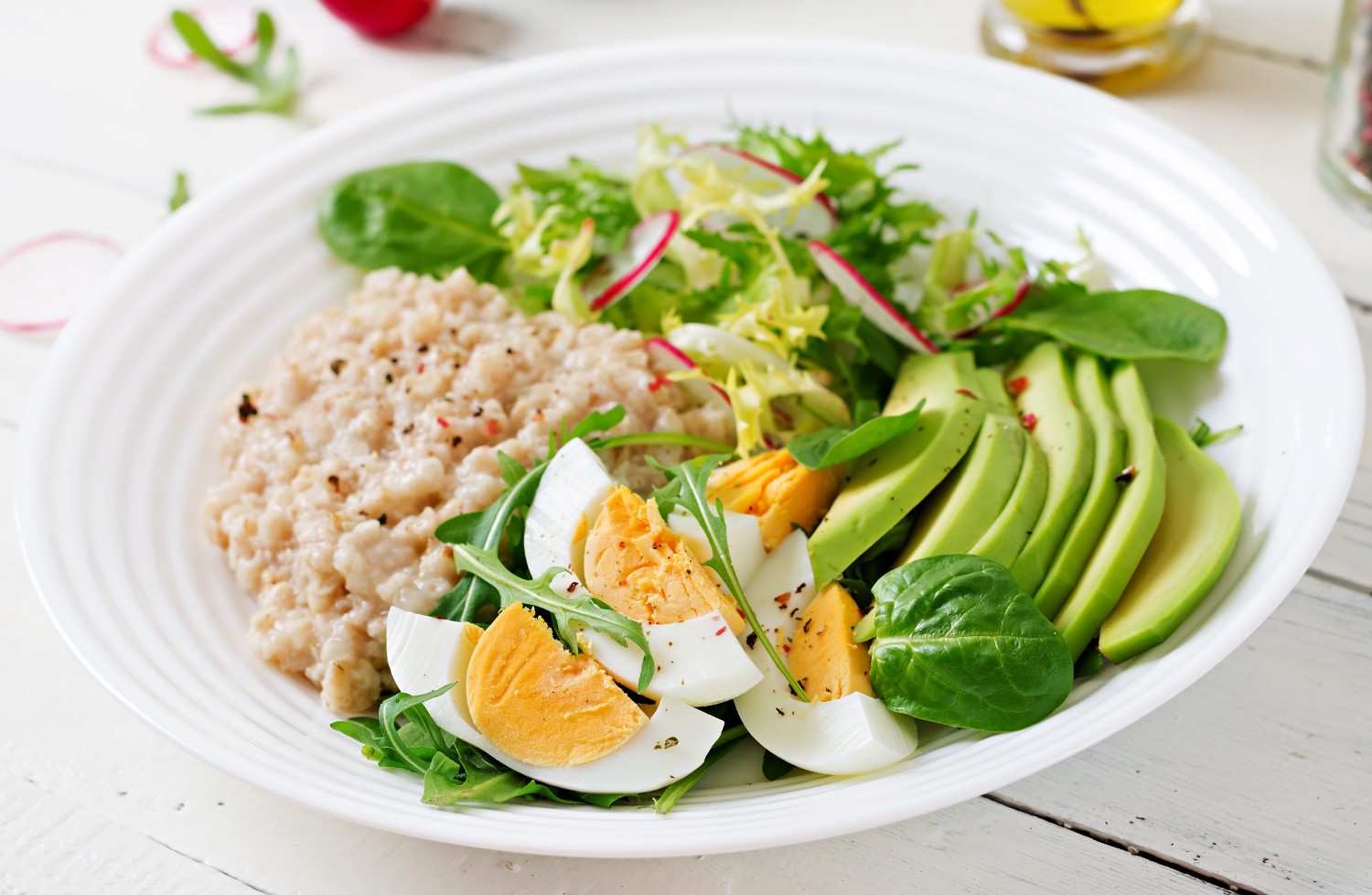

Avocado has emerged as a staple in the ketogenic diet due to its high-fat content and nutritional profile. Many people find it challenging to incorporate enough healthy fats into their meals while avoiding carbs. This is where avocado shines, offering a creamy texture and rich flavor that can enhance various dishes. As the keto diet emphasizes fat as the primary energy source, discovering creative ways to utilize avocados can make meal planning more enjoyable and satisfying.
When considering how to elevate your meals with avocado, it’s essential to explore inventive recipes that go beyond traditional slices on toast. Whether you are looking for snacks, sides, or main dishes, avocados can be integrated seamlessly into your meals. The versatility of avocados allows them to blend well with various flavors and ingredients, making them an excellent choice for diverse culinary applications.
Incorporating avocados into your diet not only satisfies hunger but also provides essential nutrients. These include vitamins, minerals, and healthy monounsaturated fats that contribute to overall health. This guide will delve into practical applications, common mistakes to avoid, and the science behind why avocados are a fantastic fat source on a keto diet.
Armed with this knowledge, you will be well-equipped to transform your meals and fully embrace the benefits of avocados in your ketogenic lifestyle. Let’s dive into how to creatively use avocados for real results.
Contents
How to Use Avocados for Real Results
- Best Form: Fresh, ripe avocados
- Best Time: Throughout the day
- Expected Result: Increased healthy fat intake and improved meal satisfaction
For a Flavorful Dip
The Prep: Start with two ripe avocados, a clove of garlic, the juice of one lime, and salt to taste. You may also want to add chopped cilantro for added flavor. Gather a mixing bowl and a fork or a food processor for blending.
The Action: Cut the avocados in half and remove the pit. Scoop the flesh into the mixing bowl. Mince the garlic and add it to the bowl along with lime juice and salt. Mash everything together until smooth, or blend in a food processor for a creamier texture. Taste and adjust salt or lime juice as needed.
The Feeling: This dip will have a rich, creamy consistency with a zesty kick from the lime. The garlic adds a warming sensation, making it a delightful addition to any keto-friendly meal. Enjoy it with low-carb veggies or as a spread on keto bread. Pro Tip: Try adding spices like cumin or smoked paprika for an extra flavor boost.
As a Base for Smoothies
The Prep: For this smoothie, gather one ripe avocado, a cup of unsweetened almond milk, a tablespoon of cocoa powder, and a low-carb sweetener like stevia or erythritol. You might also want a handful of spinach for added nutrients.
The Action: Cut the avocado, remove the pit, and scoop the flesh into a blender. Add the almond milk, cocoa powder, and sweetener. Toss in the spinach if desired. Blend until smooth and creamy. Adjust the sweetness based on your preference.
The Feeling: This smoothie will feel thick and velvety in your mouth, with a rich chocolate flavor that masks the taste of the avocado. It provides lasting energy and keeps you feeling full longer. Pro Tip: Freeze avocado chunks ahead of time for a chilled, refreshing drink.
In a Savory Salad
The Prep: Gather two ripe avocados, mixed greens, cherry tomatoes, cucumber, red onion, and a dressing made from olive oil, lemon juice, and salt. Have a large salad bowl ready for mixing.
The Action: Dice the avocados and chop the other vegetables into bite-sized pieces. In a large bowl, combine the mixed greens, tomatoes, cucumber, and red onion. Add the diced avocados last to keep them intact. Drizzle with the olive oil and lemon juice dressing, then toss gently to combine.
The Feeling: This salad is not only vibrant but also offers a satisfying crunch from the veggies and a creamy texture from the avocados. The freshness of the greens and the tanginess of the dressing create a balanced dish. Pro Tip: Add grilled chicken or shrimp for extra protein and heartiness.
Common Pitfalls to Avoid
Overlooking Ripeness
Choosing avocados that are not ripe can lead to disappointment. Unripe avocados are hard and lack the creamy texture that makes them enjoyable. To avoid this mistake, always check for ripeness by gently squeezing the avocado. It should yield slightly to pressure. If it feels hard, leave it at room temperature for a few days until it softens. This ensures that you enjoy the best flavor and texture in your meals.
Ripe avocados can also spoil quickly. If you have leftover avocado, store it with the pit in an airtight container with a squeeze of lemon juice to slow down browning. This helps maintain its quality for longer.
Neglecting Flavor Pairings
Avocados have a mild flavor that can benefit from various seasonings. Failing to add spices or complementary ingredients can result in bland dishes. Always consider enhancing your avocado recipes with ingredients like lime juice, garlic, or herbs. These additions not only elevate the taste but also provide additional health benefits.
Experiment with different flavor profiles. For instance, pairing avocados with spicy elements like jalapeños can create a delightful contrast. This not only makes your meal more enjoyable but also encourages you to eat more nutrient-dense foods.
Using Avocados as a Sole Source of Fat
While avocados are a fantastic source of healthy fats, relying solely on them can lead to nutrient imbalance. Ensure your diet includes a variety of fat sources, such as olive oil, nuts, and fatty fish. This diversity provides a broader spectrum of nutrients and helps prevent deficiencies.
Incorporate avocados as part of a balanced meal. For example, combine them with protein sources like chicken or fish and fibrous vegetables. This approach enhances satiety and supports overall health goals.
The Science of Avocado Benefits
The biological mechanism behind avocados being a preferred fat source lies in their unique composition. They are rich in monounsaturated fats, which are known to improve heart health. These fats can lower bad cholesterol levels while raising good cholesterol, contributing to a healthier cardiovascular system. Additionally, the fiber content in avocados aids digestion and promotes gut health.
One key compound found in avocados is oleic acid. This healthy fat has been linked to anti-inflammatory properties and may help reduce the risk of chronic diseases. Oleic acid also plays a role in weight management by promoting feelings of fullness and satisfaction after meals. The combination of healthy fats and fiber makes avocados a valuable addition to a ketogenic diet.
Clinical studies have shown the benefits of incorporating avocados into a healthy diet. Research suggests that regular avocado consumption can positively affect metabolic health and weight management. For more detailed insights into the benefits of avocados, check out the research available at PubMed.
Choosing the Right Avocados
- Potency: Look for avocados that are high in healthy fats. This ensures you receive the maximum health benefits.
- Purity: Opt for organic avocados when possible. This reduces exposure to pesticides and supports sustainable farming practices.
- Form: Fresh, whole avocados are preferable. Avoid processed avocado products that may contain added sugars or preservatives.
Benefits and Risks
| The Benefits | Potential Downsides |
|---|---|
| High in healthy monounsaturated fats | Can be high in calories if consumed in excess |
| Rich in fiber, promoting digestive health | Some individuals may have sensitivities to avocados |
| Contains various vitamins and minerals | May require careful selection to avoid spoilage |
Healthy Lifestyle Choices
Incorporate regular physical activity into your routine. Exercise not only complements a ketogenic diet but also enhances overall wellness. Aim for a mix of cardiovascular and strength training exercises to support metabolic health.
Practice mindful eating. Focus on enjoying your meals and recognizing hunger cues. This habit encourages better digestion and satisfaction, making it easier to maintain your dietary goals.
Who Should Avoid This?
– Individuals with latex allergies, as avocados may cause cross-reactivity.
– Those with specific gastrointestinal disorders, such as IBS, may need to limit their intake.
– People on certain medications that interact with high-potassium foods should consult healthcare providers.
Common Questions
Can I eat avocado every day on a keto diet?
Yes, avocados are an excellent addition to a keto diet due to their high-fat content and low carbohydrate levels.
How do I store avocados properly?
Store avocados at room temperature until ripe. Once ripe, refrigerate to prolong freshness.
Are there any health risks associated with eating avocados?
Generally, avocados are safe for most people. However, those with allergies or specific medical conditions should exercise caution.
Can I use avocado oil instead of whole avocados?
Yes, avocado oil is a great alternative and can be used in cooking or dressings to enjoy the health benefits of avocados.
The Final Thought
Avocados are versatile, nutritious, and a valuable addition to any ketogenic meal plan.
- The Truth: While avocados are beneficial, they should be consumed in moderation.
- The Strategy: Incorporate them into meals throughout the day for balanced nutrition.
- The Next Step: Experiment with different avocado recipes to find your favorites.
Get Your FREE Natural Health Guide!
Subscribe now and receive our exclusive ebook packed with natural health tips, practical wellness advice, and easy lifestyle changes, delivered straight to your inbox.