
Turmeric has long been celebrated for its vibrant color and culinary versatility. However, its real power lies in its active compound, curcumin, which has caught the attention of researchers and health enthusiasts alike. As inflammation becomes increasingly recognized as a significant contributor to chronic diseases and the aging process, the role of turmeric in combating these issues has gained traction. The relentless quest for ways to reduce inflammation and minimize the signs of aging has led many to explore natural solutions, with turmeric frequently at the forefront of this exploration.

The modern lifestyle, characterized by high levels of stress, poor dietary choices, and environmental toxins, exacerbates inflammation in the body. This chronic state of inflammation can manifest as various health problems, including joint pain, skin issues, and even cognitive decline. As the body ages, the natural inflammatory response may become dysregulated, leading to accelerated aging signs. This is where turmeric enters the conversation as a potential ally in promoting both health and longevity.
Integrating turmeric into daily routines can provide a holistic approach to wellness. The anti-inflammatory properties of curcumin not only support joint health but also contribute to skin vitality and cognitive function. A deeper understanding of how to effectively use turmeric can empower individuals to harness its benefits and work towards reducing inflammation and the visible signs of aging.
This guide will delve into the multifaceted role of turmeric in combating inflammation and aging. From practical applications to the underlying science, readers will gain insight into how to effectively incorporate this potent spice into their wellness regimen.
Contents
How to Use Turmeric for Real Results
- Best Form: Fresh root or high-quality powder
- Best Time: With meals to enhance absorption
- Expected Result: Reduced inflammation and improved skin elasticity
For Daily Protection
The Prep: Start your day with a turmeric-infused smoothie. Gather fresh turmeric root or high-quality turmeric powder, a banana, spinach, coconut milk, and a pinch of black pepper. Black pepper enhances curcumin absorption, making it a vital ingredient.
The Action: In a blender, combine one teaspoon of turmeric, one banana, a handful of spinach, and a cup of coconut milk. Add a pinch of black pepper and blend until smooth. Pour into a glass and enjoy as a nutritious breakfast or snack.
The Feeling: The smoothie offers a refreshing taste with a hint of earthiness. The creamy texture is satisfying and energizing. Expect to feel revitalized, with a subtle warmth in the body as the turmeric works its magic.
Pro Tip: For an added boost, include ginger, which also has anti-inflammatory properties.
Targeting Acute Pain
The Prep: Prepare a turmeric paste for localized pain relief. You will need turmeric powder, water, and coconut oil. These ingredients create a thick paste that can be applied directly to inflamed areas.
The Action: Mix two tablespoons of turmeric powder with enough water to form a paste. Add one tablespoon of coconut oil for better consistency. Apply the paste directly to the affected area and cover it with a bandage. Leave it on for at least 30 minutes before rinsing off.
The Feeling: Initially, the paste may feel slightly warm on the skin. After removal, expect a cooling sensation that soothes inflammation. This method can provide immediate relief and promote healing.
Pro Tip: For enhanced effectiveness, add a few drops of essential oils like eucalyptus or peppermint.
The Nighttime Routine
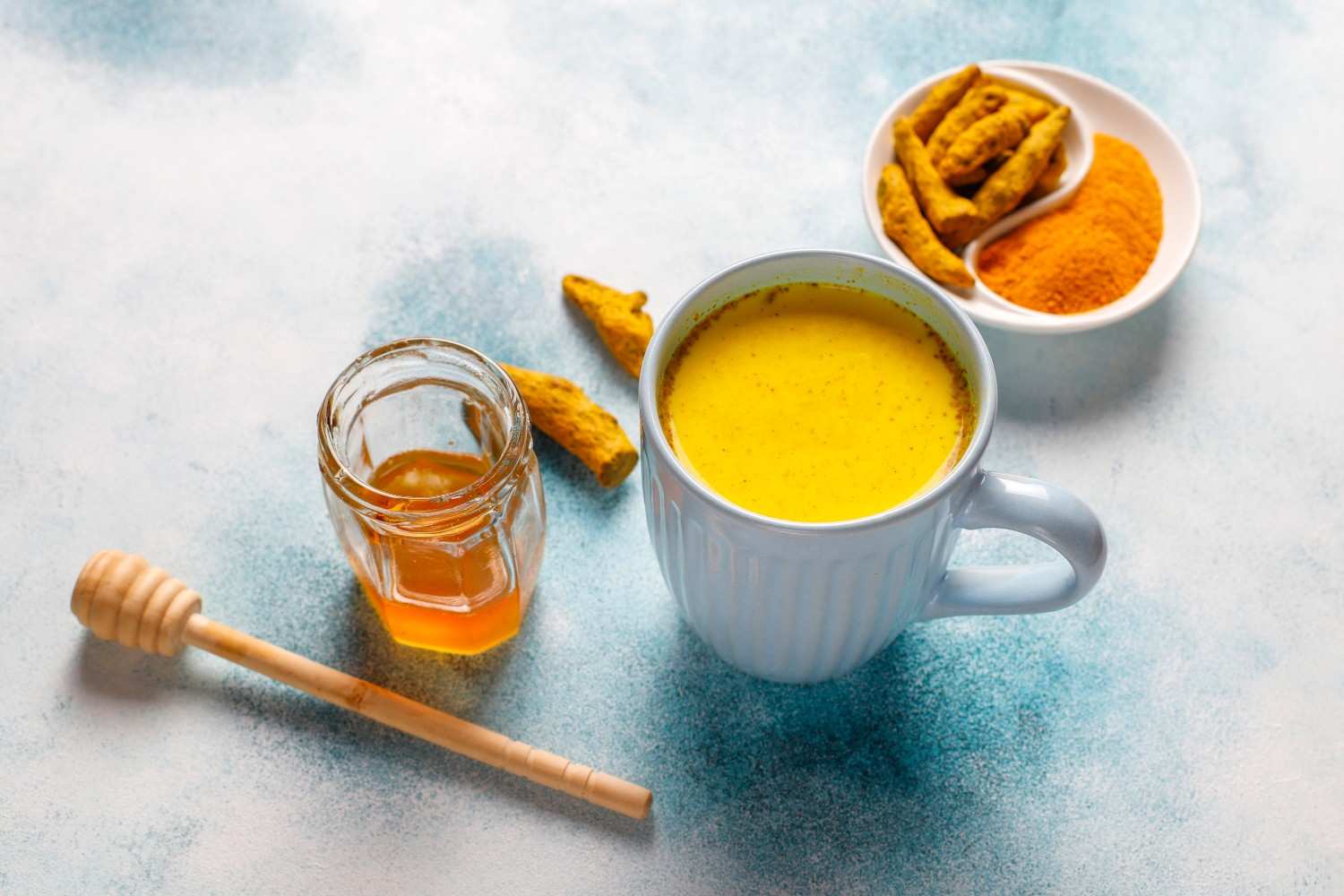
The Prep: Create a calming turmeric tea to wind down before bed. You will need turmeric powder, honey, lemon, and hot water. This soothing drink helps reduce inflammation while promoting relaxation.
The Action: Boil water and pour it into a cup. Add one teaspoon of turmeric powder, a teaspoon of honey, and a squeeze of lemon juice. Stir well and let it steep for a few minutes before drinking.
The Feeling: The tea has a warm, soothing effect that calms the mind and body. The sweetness from honey balances the earthy taste of turmeric. This comforting beverage can help ease tension and prepare you for a restful night.
Pro Tip: Consider adding chamomile for extra relaxation benefits.
Common Mistakes to Avoid When Using Turmeric
Using Low-Quality Herbs
Choosing low-quality turmeric can significantly diminish its benefits. Many turmeric products on the market contain fillers or lack the necessary curcumin concentration. These low-grade options may not provide the anti-inflammatory effects you are seeking.
To ensure you are getting the best quality, opt for organic turmeric sourced from reputable suppliers. Check for third-party testing and certifications. This guarantees that your turmeric is pure and potent, providing the maximum benefits for inflammation and aging.
Neglecting Absorption Enhancers
Curcumin has poor bioavailability, meaning that your body struggles to absorb it effectively. Many individuals consume turmeric without considering ways to enhance absorption, limiting its potential benefits.
Incorporating black pepper is essential, as it contains piperine, which can increase curcumin absorption by up to 2000 percent. Additionally, consuming turmeric with healthy fats can further enhance its bioavailability. Always pair turmeric with these enhancers to maximize its effectiveness.
Overlooking Dosage Guidelines
Many people assume that more turmeric equals better results. However, excessive consumption can lead to digestive upset and other side effects. Proper dosage is crucial for reaping the benefits without adverse effects.
Generally, a daily intake of 500 to 2000 mg of curcumin is recommended for therapeutic effects. Start with a lower dosage and gradually increase as tolerated. This approach ensures that you enjoy the benefits while minimizing the risk of side effects.
The Mechanism Behind Turmeric’s Benefits
Turmeric exerts its anti-inflammatory effects primarily through the modulation of inflammatory pathways. Curcumin inhibits various pro-inflammatory cytokines and enzymes, effectively reducing inflammation at the cellular level. This action helps alleviate symptoms associated with chronic inflammatory conditions, contributing to overall health and well-being.
The key compound in turmeric, curcumin, is responsible for its therapeutic properties. Curcumin’s chemical structure allows it to interact with multiple molecular targets in the body. This multifaceted interaction enhances its ability to combat inflammation and oxidative stress, both of which play significant roles in the aging process.
Clinical studies have demonstrated turmeric’s effectiveness in reducing inflammation and improving health markers in various populations. Research indicates that curcumin supplementation can lead to significant reductions in inflammatory markers such as C-reactive protein (CRP). For more in-depth information, refer to this PubMed search that compiles relevant studies.
Choosing the Right Product
– **Potency:** Look for products with high curcumin content. Higher potency ensures that you receive effective doses for anti-inflammatory and anti-aging benefits.
-
Purity: Ensure the product is free from additives and fillers. Pure turmeric or curcumin supplements provide maximum health benefits without unnecessary ingredients.
-
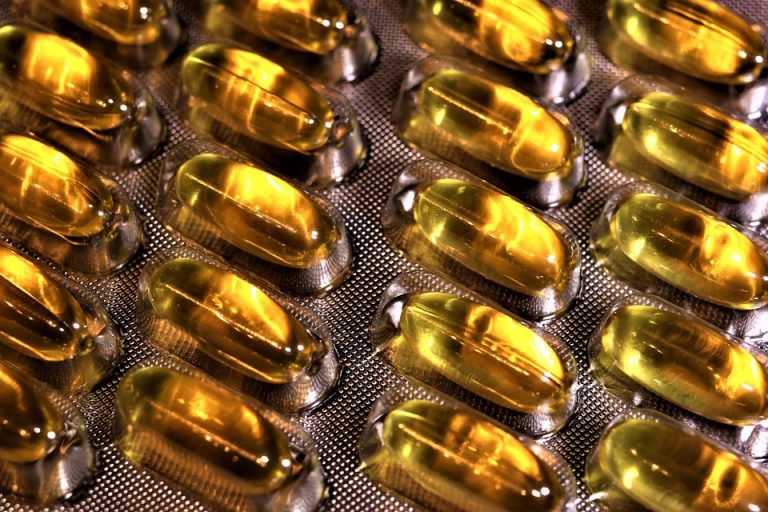
Form: Consider whether you prefer capsules, powders, or fresh turmeric. Each form has its own advantages, so choose one that fits your lifestyle for easier incorporation into your routine.
Benefits vs Risks
| The Benefits | Potential Downsides |
|---|---|
| Reduces inflammation and alleviates pain | May cause digestive issues in high doses |
| Supports skin health and reduces signs of aging | Interactions with blood thinners and certain medications |
| Enhances cognitive function and mood | Not suitable for everyone, particularly those with specific health conditions |
Habits to Enhance Turmeric’s Benefits
Engaging in regular physical activity can significantly enhance the anti-inflammatory effects of turmeric. Exercise helps to reduce inflammation and improve overall health, making it a perfect complement to turmeric supplementation.
Maintaining a balanced diet rich in antioxidants can also amplify turmeric’s effects. Consuming a variety of fruits, vegetables, and whole grains supports the body’s natural defense mechanisms, further reducing inflammation and promoting longevity.
Who Should Avoid This?
– Individuals on blood-thinning medications
– Those with gallbladder issues
– Pregnant or nursing women
– People with certain gastrointestinal disorders
Common Questions
Can turmeric help with joint pain?
Turmeric has anti-inflammatory properties that may help alleviate joint pain by reducing inflammation in the joints.
How long does it take to see results from turmeric?
Results can vary, but many individuals report noticing improvements within a few weeks of consistent use.
Is turmeric safe for everyone?
While turmeric is generally safe, it may not be suitable for individuals with specific health conditions or those taking certain medications.
Can I take turmeric with other supplements?
Yes, turmeric can be taken with other supplements. However, consult a healthcare provider for personalized advice.
The Bottom Line
Turmeric offers significant potential in reducing inflammation and signs of aging.
- The Truth: Turmeric is not a cure-all but can be a valuable part of a holistic wellness strategy.
- The Strategy: Incorporate turmeric into meals or take supplements with meals for better absorption.
- The Next Step: Adopt a balanced lifestyle that includes regular exercise and a nutrient-rich diet.
Get Your FREE Natural Health Guide!
Subscribe now and receive our exclusive ebook packed with natural health tips, practical wellness advice, and easy lifestyle changes, delivered straight to your inbox.