
Dry skin can be a frustrating and uncomfortable condition that affects many people. The itchiness, flakiness, and tightness can detract from daily life, leading to a constant search for effective solutions. Many individuals turn to commercial lotions and creams, often loaded with synthetic ingredients that may not deliver the desired results. Thankfully, nature offers potent remedies, and one of the most powerful is coconut oil. This versatile oil has garnered attention not only for its culinary benefits but also for its remarkable ability to hydrate and nourish dry skin.
Using coconut oil as a moisturizer may seem simple, yet its benefits are profound. Rich in fatty acids, this oil penetrates deeply into the skin, providing lasting hydration and enhancing skin health. Its natural composition means it can be used by various skin types, making it a universal solution. As people become increasingly aware of the importance of using natural products, coconut oil emerges as a top contender for those seeking relief from dryness.
Incorporating coconut oil into a skincare routine can transform the way skin feels and looks. Its anti-inflammatory and antibacterial properties further enhance its appeal. This oil not only hydrates but also protects and heals the skin, making it an all-in-one solution for dry body skin. Understanding the practical applications of coconut oil can empower individuals to harness its benefits fully.
This guide explores the myriad ways coconut oil can be utilized for dry skin, delving into practical applications, scientific backing, and tips for optimal results. Whether looking for daily hydration or solutions for specific skin concerns, this comprehensive overview will equip readers with the knowledge needed to make the most of nature’s moisture miracle.
Contents
How to Use Coconut Oil for Real Results
- Best Form: Organic, cold-pressed coconut oil
- Best Time: After bathing or showering
- Expected Result: Increased hydration and improved skin texture
For Daily Protection
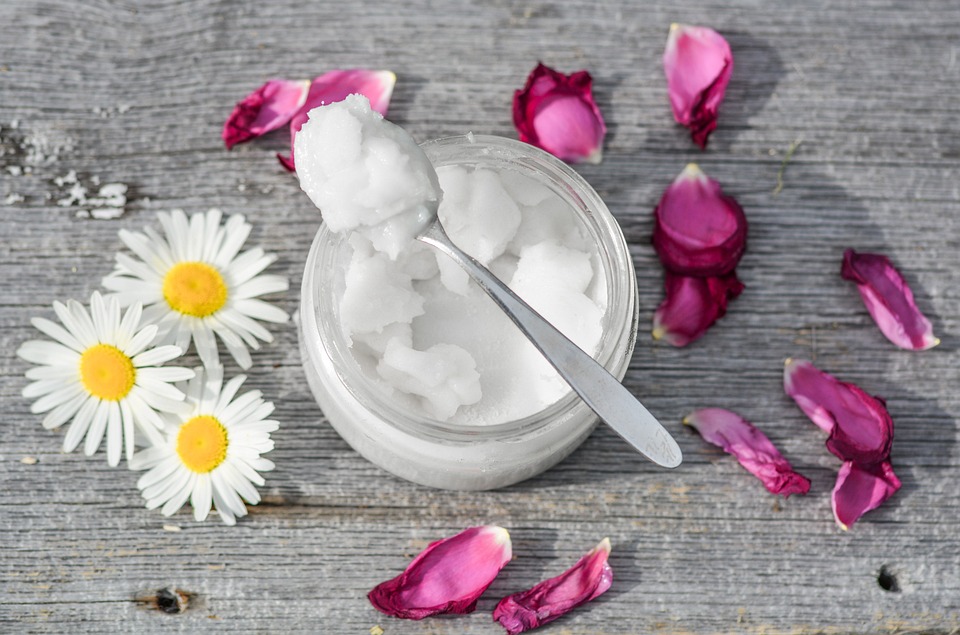
The Prep: Start with organic, cold-pressed coconut oil. This ensures the oil retains its beneficial properties. Have a small bowl ready for easy application. If desired, you can mix in a few drops of essential oils like lavender or tea tree for added benefits.
The Action: After your shower, pat your skin dry with a towel, leaving it slightly damp. Scoop a small amount of coconut oil into your hands and rub them together until the oil melts. Apply it to your skin in circular motions, focusing on particularly dry areas like elbows and knees. Allow the oil to absorb fully.
The Feeling: Initially, the oil may feel slightly greasy, but it quickly absorbs, leaving your skin soft and hydrated. The sensation is soothing and calming, with a subtle coconut aroma that lingers. Expect your skin to feel nourished throughout the day.
Pro Tip: For added hydration, consider mixing coconut oil with shea butter for a thicker consistency that provides even more moisture.
Targeting Specific Dry Patches
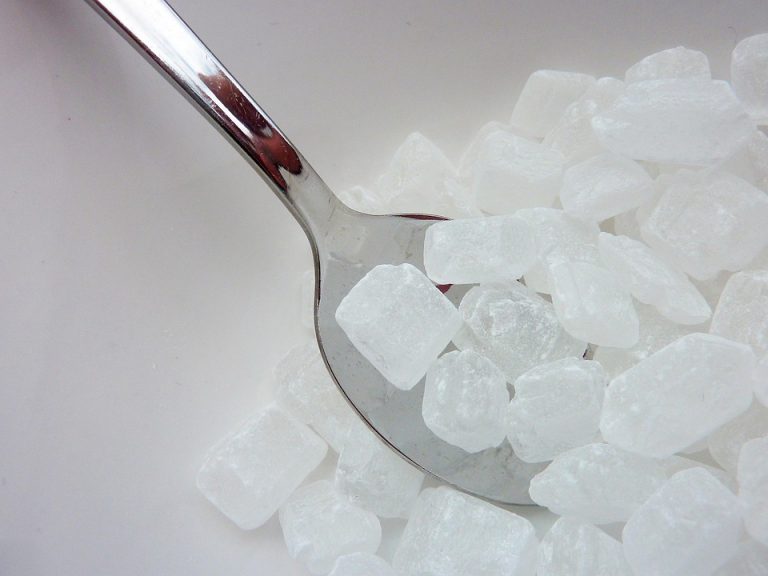
The Prep: Gather your coconut oil and any additional ingredients like sugar or coffee grounds for a natural exfoliant. This will help slough off dead skin cells before moisturizing.
The Action: In a small bowl, mix equal parts coconut oil and your chosen exfoliant. Apply this mixture to the dry patches and gently rub in circular motions for a couple of minutes. Rinse off with warm water and pat dry before applying straight coconut oil to seal in moisture.
The Feeling: The exfoliation will create a tingling sensation, while the subsequent application of pure coconut oil will feel smooth and refreshing. Your skin will feel revitalized and significantly softer after this treatment.
Pro Tip: Use this method once a week for persistent dry patches to maintain a smooth texture.
The Nighttime Routine
The Prep: Choose a generous amount of coconut oil and a soft cloth or cotton pads. This will help you apply the oil evenly and effectively before bed.
The Action: After cleansing your skin in the evening, take a tablespoon of coconut oil and warm it between your hands. Apply it liberally over your body, focusing on areas that tend to dry out overnight. Use the cloth to help massage the oil into your skin, ensuring even coverage.
The Feeling: As you apply the oil, a warm, comforting sensation envelops your skin. The oil will feel rich but not overly heavy, allowing for a restful sleep. Wake up to skin that feels deeply hydrated and rejuvenated.
Pro Tip: To enhance absorption, consider wrapping yourself in soft, breathable fabrics after application to lock in moisture overnight.
Avoiding Common Pitfalls
Choosing Low-Quality Products
Pairing coconut oil use with a balanced diet rich in omega fatty acids can enhance skin health. Foods like avocados, nuts, and fish provide essential nutrients that support skin hydration from the inside out. Staying hydrated is equally crucial. Drinking adequate water daily helps maintain skin elasticity and moisture levels, complementing the topical application of coconut oil.
Get Your FREE Natural Health Guide!Overusing Coconut Oil
Neglecting Skin Types
The Science Behind the Hydration
Choosing the Right Coconut Oil Product
Understanding the Trade-Offs
The Benefits
Potential Downsides
Deep hydration for dry skin
May cause greasiness if overapplied
Natural antibacterial properties
Can clog pores for sensitive skin
Multi-purpose use (cooking, skincare)
Quality varies between brands
Incorporating Healthy Habits
Who Should Avoid This?
Common Questions
Can coconut oil be used on the face?
How often should I apply coconut oil?
Does coconut oil expire?
Can I mix coconut oil with other oils?
The Bottom Line
Subscribe now and receive our exclusive ebook packed with natural health tips, practical wellness advice, and easy lifestyle changes, delivered straight to your inbox.