
Many women experience a range of symptoms during the luteal phase of their menstrual cycle. This phase, occurring after ovulation and before menstruation, can bring about mood swings, anxiety, insomnia, and physical discomfort. The hormonal changes during this time can lead to an imbalance, making it crucial to find effective dietary solutions to alleviate these symptoms. One potential ally in this endeavor is sunflower seeds, which may provide essential nutrients that support hormonal balance and overall well-being.
Sunflower seeds are nutrient-dense, packed with vitamins, minerals, and healthy fats. They are particularly high in magnesium, vitamin E, and selenium, which are known to play significant roles in hormone regulation and mood enhancement. Incorporating sunflower seeds into your diet could offer a natural approach to mitigating the discomforts often associated with the luteal phase.
The unique combination of nutrients found in sunflower seeds may help stabilize mood, improve sleep quality, and reduce anxiety. These seeds can serve as a versatile snack or ingredient in various meals, making them easy to include in your daily routine. Understanding how to effectively use sunflower seeds could empower women to better manage their luteal phase symptoms.
This guide will delve into the practical applications of sunflower seeds, common mistakes to avoid, the scientific mechanisms behind their benefits, and tips for choosing the right products. By the end, you will have a comprehensive understanding of how sunflower seeds can support your luteal phase balance.
Contents
How to Use Sunflower Seeds for Real Results
- Best Form: Raw or roasted seeds
- Best Time: Daily, ideally in the luteal phase
- Expected Result: Improved mood and reduced symptoms
For Daily Nutritional Support
Prepare a simple trail mix with sunflower seeds, nuts, and dried fruits. Combine one cup of raw sunflower seeds with half a cup of almonds and half a cup of dried cranberries. Ensure all ingredients are fresh and organic for the best results.
Mix the ingredients in a bowl, then store them in an airtight container. This mix can be a quick snack throughout the day, providing a balanced source of nutrients. Aim to consume a handful each day.
Upon eating the trail mix, you may notice a gradual sense of energy as the nutrients begin to work. The combination of healthy fats and proteins can stabilize your blood sugar levels, leading to a more balanced mood throughout the day.
Pro Tip: Pair this mix with a piece of dark chocolate for added magnesium and a mood boost.
For Evening Relaxation
Prepare a soothing sunflower seed milk. Blend one cup of soaked sunflower seeds with four cups of water and a pinch of salt. Strain the mixture using a cheesecloth to achieve a smooth consistency.
Once prepared, enjoy this milk as a warm beverage before bed. You can sweeten it with honey or add a dash of cinnamon for flavor. This calming drink can help prepare your body for restful sleep.
As you sip this warm milk, a soothing sensation may wash over you, promoting relaxation. The magnesium in sunflower seeds can help calm the nervous system, supporting a good night’s sleep.
Pro Tip: Add a few drops of vanilla extract for an aromatic experience.
For Targeted Hormonal Balance
Create a sunflower seed salad by mixing two cups of leafy greens with one quarter cup of sunflower seeds, diced cucumber, and cherry tomatoes. Dress it with olive oil and lemon juice.
Combine all ingredients in a large bowl, tossing them gently to ensure even distribution. This salad can be enjoyed as a main dish or a side, providing essential nutrients that support hormonal balance.
After eating this salad, you may feel rejuvenated. The vitamins and minerals in sunflower seeds work synergistically with the greens, promoting overall hormonal health.
Pro Tip: Add avocado for healthy fats that further support hormone production.
Common Mistakes to Avoid
Overconsumption of Processed Seeds
Many individuals opt for flavored or salted sunflower seeds, thinking they will enhance taste. However, these processed versions often contain unhealthy additives and excessive sodium. This can counteract the health benefits you seek.
To avoid this mistake, choose raw or lightly roasted sunflower seeds. Look for options that have no added preservatives or flavors. This ensures that you receive the full spectrum of nutrients without unnecessary ingredients.
Ignoring Portion Control
Sunflower seeds are energy-dense, and consuming them in large quantities can lead to unwanted weight gain. It’s easy to overindulge, especially when they are used as snacks.
Be mindful of portion sizes. A handful, or about one ounce, is typically sufficient to gain the benefits without exceeding caloric needs. Measuring out portions can help you stay on track.
Not Pairing with Other Nutrients
Relying solely on sunflower seeds for hormonal balance can limit the effectiveness of your dietary approach. While they are beneficial, they should be part of a broader, balanced diet.
Incorporate a variety of foods rich in omega-3 fatty acids, fiber, and antioxidants. This holistic approach will enhance the benefits of sunflower seeds and promote overall hormonal health.
The Science Behind the Benefits
Sunflower seeds contain a variety of nutrients that support hormonal health. Magnesium, for example, is essential for the production and regulation of hormones. It can alleviate symptoms of anxiety and mood swings often experienced during the luteal phase.
Vitamin E, another key compound found in sunflower seeds, has antioxidant properties that protect cells from oxidative stress. This protection is crucial during hormonal fluctuations, as it can help stabilize mood and reduce symptoms.
Research supports the benefits of sunflower seeds for hormonal balance. A study published in the journal PubMed highlights the role of nutrients in supporting women’s health, particularly during the luteal phase.
Choosing the Right Product
- Potency: Look for seeds that are high in nutrients. The more nutrient-dense the seeds, the more benefits they can provide.
- Purity: Select organic seeds to avoid pesticides and harmful chemicals. This ensures that you are consuming clean and safe products.
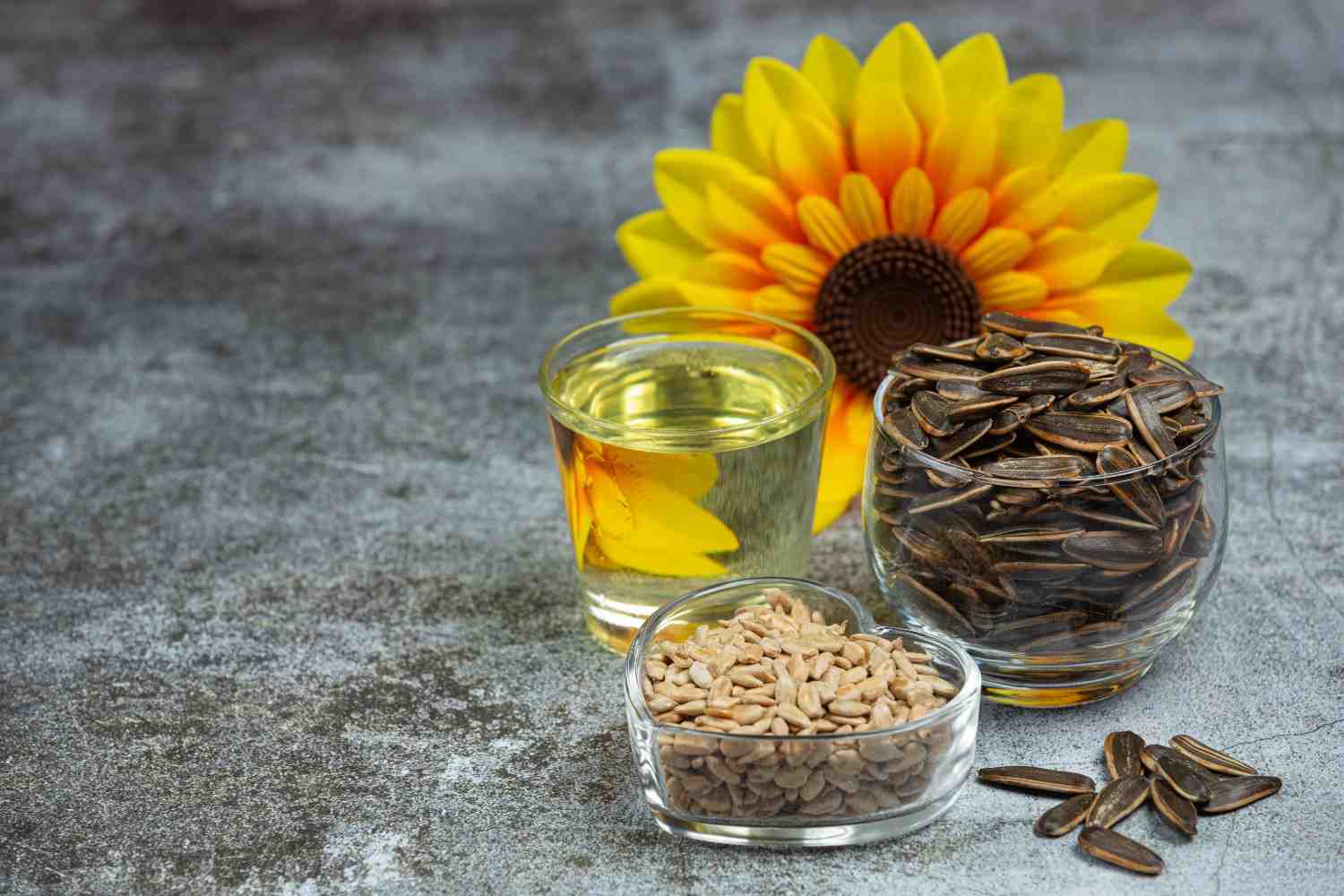
- Form: Choose between raw, roasted, or sprouted seeds based on your preference. Each form has unique benefits and can be used in various recipes.
Benefits vs Risks
| The Benefits | Potential Downsides |
|---|---|
| Rich in essential nutrients that support hormonal balance | Can be high in calories, leading to weight gain if consumed excessively |
| May improve mood and reduce anxiety symptoms | Processed versions often contain unhealthy additives |
| Versatile for various recipes and snacks | Some individuals may be allergic to seeds |
Habits to Enhance Benefits
Incorporate regular physical activity into your routine. Exercise can help regulate hormones and improve overall mood. Activities like yoga or walking can be especially beneficial during the luteal phase.
Practice mindfulness or meditation. These techniques can help alleviate stress and anxiety, complementing the mood-stabilizing effects of sunflower seeds. Taking time to relax can enhance your overall well-being.
Who Should Avoid This?
- Individuals with a history of seed allergies
- People on sodium-restricted diets should limit salted versions
- Those with a history of digestive issues may need to moderate intake
Common Questions
Can sunflower seeds help with PMS symptoms?
Yes, sunflower seeds are rich in magnesium and vitamin E, which can alleviate PMS symptoms by stabilizing mood and reducing bloating.
How should I store sunflower seeds?
Store sunflower seeds in an airtight container in a cool, dark place to maintain freshness. Refrigeration can extend shelf life.
Are roasted sunflower seeds less nutritious?
Roasting can reduce certain nutrients, particularly heat-sensitive vitamins. Opt for raw or lightly roasted seeds for maximum benefits.
Can I use sunflower seeds in smoothies?
Absolutely. Adding sunflower seeds to smoothies can enhance nutrient content while providing a creamy texture.
The Bottom Line
Sunflower seeds offer a range of benefits that can support hormonal balance during the luteal phase.
- The Truth: While beneficial, they should be part of a balanced diet.
- The Strategy: Incorporate them daily during the luteal phase for optimal results.
- The Next Step: Pair with other nutrient-dense foods for comprehensive support.
Get Your FREE Natural Health Guide!
Subscribe now and receive our exclusive ebook packed with natural health tips, practical wellness advice, and easy lifestyle changes, delivered straight to your inbox.