
Gum inflammation can be a nagging issue, often signaling underlying dental problems. Individuals may experience discomfort, swelling, and even bleeding. These symptoms can lead to more serious oral health issues if left unaddressed. Many people seek quick solutions that provide relief without resorting to medications that may have unwanted side effects.
A warm salt water rinse emerges as a simple yet effective remedy. This practice has been used for centuries in various cultures as a natural way to soothe irritation and promote oral health. The combination of warm water and salt creates a solution that can help reduce inflammation and kill harmful bacteria in the mouth.
Understanding how to implement this rinse properly can maximize its benefits. It is essential to know not only the procedure but also the best practices for enhancing its effectiveness. Regular use can lead to noticeable improvements in gum health, making it a valuable addition to any oral hygiene routine.
This guide will delve into practical applications, common mistakes, the science behind the rinse, and essential safety considerations. By the end, you will be equipped with the knowledge to effectively use a warm salt water rinse to ease gum inflammation.
Contents
How to Use a Warm Salt Water Rinse for Real Results
- Best Form: Dissolved salt in warm water
- Best Time: Twice daily
- Expected Result: Reduced inflammation and discomfort
For Daily Protection
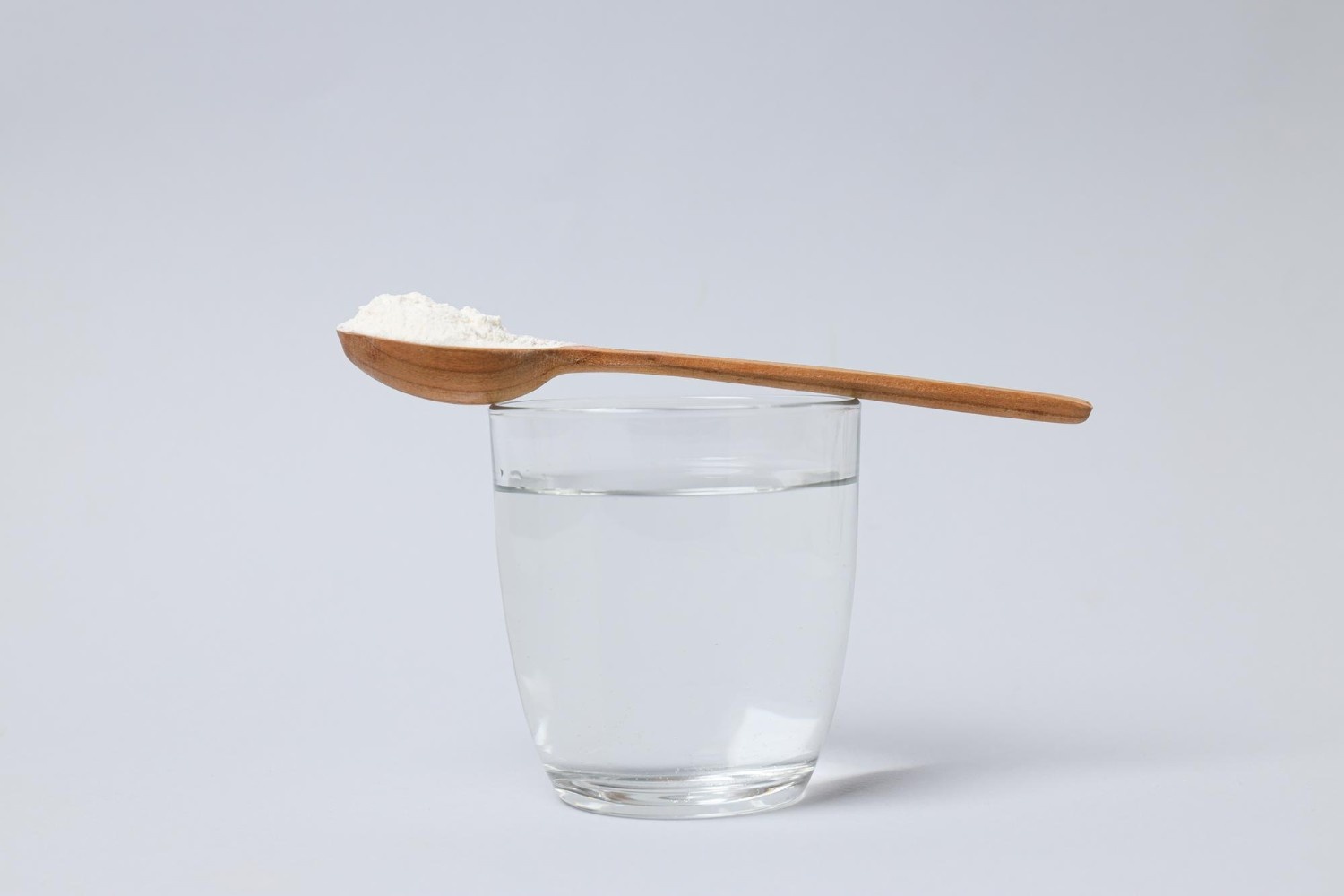
The Prep: Begin with a teaspoon of non-iodized sea salt. Mix this with eight ounces of warm water. It is crucial to ensure the water is warm but not too hot to avoid burns. Stir the salt until it fully dissolves.
The Action: Take a sip of the solution and swish it around your mouth for about 30 seconds. Focus on the areas where you feel inflammation. Spit out the solution and repeat until the entire cup is used.
The Feeling: You may experience a slight tingling sensation as the rinse works. This is normal and indicates the solution is interacting with the tissues in your mouth. The effects can last for about an hour, providing a soothing relief.
Pro Tip: Use this rinse in the morning and evening for optimal results.
Targeting Acute Pain
The Prep: For acute pain, increase the salt concentration. Use one and a half teaspoons of salt in eight ounces of warm water. This stronger solution can help target inflammation more aggressively.
The Action: Follow the same swishing method, but extend the time to one minute to allow the saline solution to penetrate deeper into the gums. Avoid swallowing any of the rinse.
The Feeling: You may notice a more intense tingling or even a slight burning sensation due to the higher salt concentration. This is a sign that the rinse is effectively working on the inflamed areas.
Pro Tip: Use this stronger rinse only when experiencing acute pain, as frequent use can lead to dryness in the mouth.
The Nighttime Routine
The Prep: Prepare a standard solution with one teaspoon of salt in eight ounces of warm water. This concentration is gentle enough for nighttime use.
The Action: After brushing your teeth, use the rinse as a final step in your oral hygiene routine. Swish it around for 30 seconds before going to bed.
The Feeling: You will likely feel a calming effect as the rinse soothes your gums. This can help set the stage for a more comfortable night’s sleep.
Pro Tip: Incorporate this rinse into your nightly routine to help maintain gum health while you rest.
Avoiding Common Errors in Rinsing
Using Low Quality Salt
Many people opt for table salt, thinking it will suffice. However, low-quality or iodized salt may contain additives that can irritate the gums further. Non-iodized sea salt is recommended because it is pure and contains minerals that can benefit oral health.
Switching to a higher quality salt can make a significant difference in the effectiveness of your rinse. Look for salts that are free from additives and impurities to maximize the potential benefits.
Rinsing Too Frequently
Some may think that more frequent rinsing equates to better results. Overusing a salt water rinse can lead to dryness and irritation in the mouth. The recommended frequency is twice daily.
Stick to this guideline to avoid unwanted side effects. If you feel the need for more frequent rinsing, consider consulting with a dental professional for personalized advice.
Neglecting Oral Hygiene
Using a warm salt water rinse should not replace regular oral hygiene practices. Brushing and flossing are still essential for maintaining overall dental health.
Integrating the rinse into a comprehensive oral care routine is key. Ensure that you continue to brush twice daily and floss regularly for optimal results.
The Science Behind the Rinse
Gum inflammation often arises from bacterial buildup, leading to irritation and pain. The warm salt water rinse creates a hypertonic environment that draws moisture from swollen tissues. This process can help reduce inflammation and promote healing.
Salt, or sodium chloride, has natural antibacterial properties. It can inhibit the growth of harmful bacteria, which may contribute to gum disease. By rinsing with salt water, you can help maintain a healthier oral environment.
Research supports the effectiveness of salt water rinses in reducing gum inflammation. A study published in the Journal of Periodontology highlights the benefits of saline solutions in promoting oral health. For more detailed information, check out the findings on PubMed.
Choosing the Right Product
– **Potency:** Look for salt products that specify their mineral content. Higher mineral content may offer additional benefits for gum health.
-
Purity: Ensure the salt is free from additives. Purity matters because any unnecessary ingredients can irritate the gums.
-
Form: Opt for granulated salt that dissolves easily in water. This form will ensure a smooth mixture that can effectively reach inflamed areas.
Benefits and Risks
| The Benefits | Potential Downsides |
|---|---|
| Reduces gum inflammation. | May cause dryness if used excessively. |
| Promotes healing of oral tissues. | Using low-quality salt can irritate the gums. |
| Cost-effective and easy to prepare. | Not a substitute for regular dental care. |
Habits to Enhance Efficacy
Maintaining a balanced diet rich in vitamins and minerals can support gum health. Foods high in Vitamin C, like oranges and strawberries, can help strengthen gum tissue.
Staying hydrated is also crucial. Adequate hydration helps maintain saliva flow, which is essential for natural oral health.
Who Should Avoid This?
– Individuals with salt-sensitive conditions, such as hypertension.
– Those with open wounds or sores in the mouth.
– People who experience allergic reactions to salt or its components.
– Pregnant women should consult a healthcare provider before use.
Common Questions
How often should I use a salt water rinse?
Using it twice daily is generally recommended for optimal results.
Can I use regular table salt?
Non-iodized sea salt is preferred because it is free from additives that may irritate the gums.
Is this rinse safe for children?
Consult a pediatric dentist before introducing it to children’s oral care routines.
What should I do if the rinse irritates my gums?
Discontinue use and consult a dental professional for alternative solutions.
The Bottom Line
A warm salt water rinse can be an effective way to ease gum inflammation.
- The Truth: This method is not a replacement for professional dental care.
- The Strategy: Use the rinse twice daily for best results.
- The Next Step: Incorporate a diet rich in vitamins to support oral health.
Get Your FREE Natural Health Guide!
Subscribe now and receive our exclusive ebook packed with natural health tips, practical wellness advice, and easy lifestyle changes, delivered straight to your inbox.