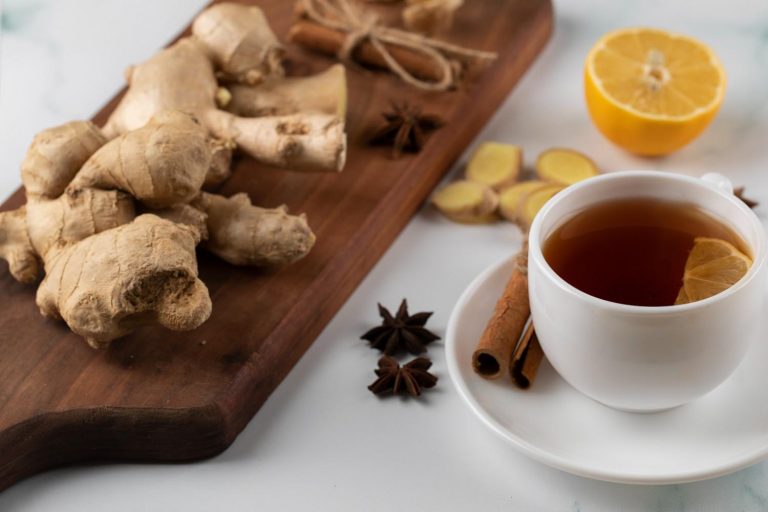

Parsley tea has garnered attention for its potential benefits in supporting kidney health. As kidneys play a crucial role in filtering waste and balancing bodily fluids, maintaining their health is essential. Many individuals overlook the importance of dietary choices in promoting kidney wellness. Parsley, often viewed as a mere garnish, possesses properties that can significantly aid in this journey.
The journey to optimal kidney health often includes lifestyle changes and dietary adjustments. Incorporating parsley tea into your routine can be a simple yet effective step. This herbal infusion not only hydrates the body but also introduces beneficial nutrients that may support kidney function. Understanding how to prepare and consume parsley tea correctly can maximize its health benefits.
The role of hydration cannot be overstated when discussing kidney health. Drinking adequate fluids aids in flushing out toxins and preventing the formation of kidney stones. Parsley tea serves as a flavorful alternative to plain water, making it easier to reach hydration goals. The benefits extend beyond hydration; the active compounds in parsley may also contribute to kidney health.
The following guide will delve into the practical applications of parsley tea, common mistakes to avoid, the scientific mechanisms behind its benefits, and much more. This comprehensive look at parsley tea can empower you on your kidney health journey.
Contents
How to Use Parsley Tea for Real Results
- Best Form: Fresh parsley leaves
- Best Time: Morning or early afternoon
- Expected Result: Enhanced hydration and potential detoxification
For Daily Protection
The Prep: Gather fresh parsley leaves, ideally organic, for optimal nutrient retention. You will need about a handful of leaves and two cups of water. Rinse the parsley thoroughly to remove any dirt or impurities. This ensures that you are consuming a clean infusion that is free from contaminants.
The Action: Boil two cups of water in a small pot. Once boiling, add the fresh parsley leaves and reduce the heat. Allow the mixture to simmer for about 10 minutes. After simmering, strain the tea into your favorite cup. You can enjoy it hot or let it cool for a refreshing iced option.
The Feeling: As you sip the tea, expect a fresh and slightly earthy taste. The sensation may feel invigorating, providing a subtle warmth that spreads through your body. This refreshing drink can leave you feeling hydrated and energized for several hours.
Pro Tip: Experiment by adding a slice of lemon for added flavor and vitamin C.
Targeting Acute Discomfort
The Prep: For this variation, you will need fresh parsley leaves, boiling water, and a pinch of salt. This combination may help with occasional kidney discomfort. Use about a handful of parsley leaves and two cups of water.
The Action: Bring two cups of water to a boil. Once boiling, add the parsley leaves and a pinch of salt. Let it steep for approximately 15 minutes. Strain the tea and enjoy it warm. The salt can help enhance the flavor while potentially aiding in hydration.
The Feeling: This tea will provide a soothing warmth as you drink it. You may notice a slight tingling sensation, signaling your body’s response to the infusion. The comforting warmth can be particularly pleasant if consumed during colder months.
Pro Tip: Drink this tea in the evening to promote relaxation before bed.
The Nighttime Routine
The Prep: For a calming nighttime tea, gather fresh parsley leaves and a teaspoon of honey if you prefer a sweeter flavor. Use about a handful of parsley and two cups of water.
The Action: Boil the water and add the parsley leaves. Allow it to steep for 10 minutes. After straining, add honey to taste. This soothing tea is perfect for winding down and preparing for a restful night.
The Feeling: This tea has a gentle soothing quality that can help ease any tension accumulated throughout the day. The honey adds a comforting sweetness that can enhance your overall experience. You may feel a sense of calm enveloping you as you sip.
Pro Tip: Pair this tea with a light bedtime snack for a comforting routine.
Avoiding Common Missteps
Using Low-Quality Herbs
Many individuals overlook the importance of quality when selecting parsley for tea. Low-quality herbs may lack the essential nutrients and compounds that contribute to kidney health. Choosing organic, fresh parsley ensures that you are consuming a product free from harmful pesticides and chemicals.
Opting for dried parsley can also diminish the health benefits. Fresh parsley contains higher levels of vitamins and antioxidants compared to its dried counterpart. Always prioritize quality to maximize the potential health benefits of your tea.
Overconsumption of Parsley Tea
While parsley tea can be beneficial, moderation is key. Excessive consumption may lead to unwanted side effects. High doses can potentially cause an imbalance in electrolytes and lead to dehydration.
A balanced approach is essential. Limiting intake to one to two cups a day allows you to enjoy the benefits without overdoing it. This approach also helps your body adjust to the infusion gradually, minimizing any adverse reactions.
Neglecting Other Kidney-Friendly Practices
Relying solely on parsley tea while neglecting other aspects of kidney health can be a mistake. It is essential to maintain a balanced diet rich in fruits, vegetables, and whole grains. Staying hydrated with water is also vital for supporting kidney function.
Incorporating parsley tea should complement a holistic approach to kidney health. Pairing it with other healthy lifestyle choices can create a robust strategy for maintaining optimal kidney function.
The Science Behind Parsley Tea
The biological mechanisms of parsley tea’s potential benefits are linked to its diuretic properties. These properties may help increase urine production, which can aid in flushing out toxins and preventing kidney stones. The infusion encourages the kidneys to filter waste more effectively, contributing to overall kidney health.
Key compounds in parsley, such as flavonoids and vitamins A, C, and K, play a role in its health benefits. Flavonoids possess antioxidant properties that combat oxidative stress in the body. This stress can contribute to kidney damage over time. Antioxidants help neutralize free radicals, potentially reducing the risk of kidney-related issues.
Clinical evidence supports the use of parsley for kidney health. Research indicates that parsley may have protective effects on kidney function and can assist in detoxification processes. For more detailed information, refer to this study on PubMed that explores these effects further.
Choosing the Right Product
- Potency: High potency ensures that you receive the maximum benefits from the tea. Look for products that specify the concentration of active compounds.
- Purity: Ensure that the parsley is free from additives and preservatives. Pure products are more likely to retain their beneficial properties.
- Form: Fresh parsley is often the best choice for making tea. It retains more nutrients compared to dried versions, ensuring a more potent infusion.
Benefits and Risks
| The Benefits | Potential Downsides |
|---|---|
| May support kidney function | Excessive consumption can lead to dehydration |
| Rich in antioxidants | May cause allergic reactions in some individuals |
| Hydrating herbal infusion | Quality can vary significantly between products |
Habits for Enhanced Wellbeing
Regular exercise can significantly enhance kidney health. Engaging in physical activity helps maintain a healthy weight and can improve overall body function. Aim for at least 30 minutes of moderate exercise most days of the week.
Incorporating a balanced diet rich in fruits and vegetables complements the benefits of parsley tea. Foods high in potassium and fiber can further support kidney health. Aim for a colorful plate to ensure a variety of nutrients.
Who Should Avoid This?
– Pregnant or breastfeeding women should consult a healthcare provider before consuming parsley tea.
– Individuals with kidney disease should seek medical advice due to potential complications.
– Those on blood-thinning medications should avoid parsley, as it may affect blood clotting.
– Individuals with known allergies to parsley should refrain from this herbal infusion.
Common Questions
Can parsley tea help with kidney stones?
Parsley tea may aid in the prevention of kidney stones by promoting hydration and flushing out toxins.
How often can I drink parsley tea?
One to two cups a day is generally recommended for optimal benefits without overconsumption.
Is there a specific time to drink parsley tea?
Morning or early afternoon is ideal for hydration and energy.
Can I combine parsley tea with other herbs?
Yes, combining parsley with other kidney-friendly herbs can enhance its benefits. Always ensure compatibility before mixing.
The Bottom Line
Incorporating parsley tea into your routine may offer benefits for kidney health.
- The Truth: While beneficial, parsley tea is not a cure-all.
- The Strategy: Consume one to two cups in the morning or early afternoon.
- The Next Step: Pair with other healthy habits for a holistic approach.
Get Your FREE Natural Health Guide!
Subscribe now and receive our exclusive ebook packed with natural health tips, practical wellness advice, and easy lifestyle changes, delivered straight to your inbox.