
Ginger tea has become a soothing companion for those seeking relief from muscle discomfort. Many individuals experience muscle soreness or tension after a long day, whether due to physical exertion or stress. This discomfort can disrupt not only physical well-being but also mental tranquility, leading to restless nights. The quest for effective remedies often leads people to natural solutions that provide both comfort and relaxation.

The ritual of drinking ginger tea has been embraced by many as part of their evening routine. This simple yet powerful beverage offers a wealth of benefits, making it an excellent choice for those looking to ease muscle tension before bedtime. By incorporating ginger tea into your routine, you can create a calming experience that promotes relaxation and prepares your body for restorative sleep.
Understanding how to effectively prepare and consume ginger tea can significantly enhance its efficacy for muscle comfort. This guide delves into the practical applications of ginger tea, explores common mistakes to avoid, highlights the underlying science, and provides essential buying tips. By the end, you will be well-equipped to make ginger tea a staple in your evening wellness ritual.
Embracing this soothing beverage can lead to improved muscle comfort and overall well-being. You will discover not only how to prepare ginger tea but also how to maximize its benefits for a peaceful night’s rest.
Contents
How to Use Ginger Tea for Real Results
- Best Form: Fresh ginger root or high-quality ginger tea bags
- Best Time: 30 to 60 minutes before bedtime
- Expected Result: Relaxed muscles and improved sleep quality
Creating Your Evening Ritual
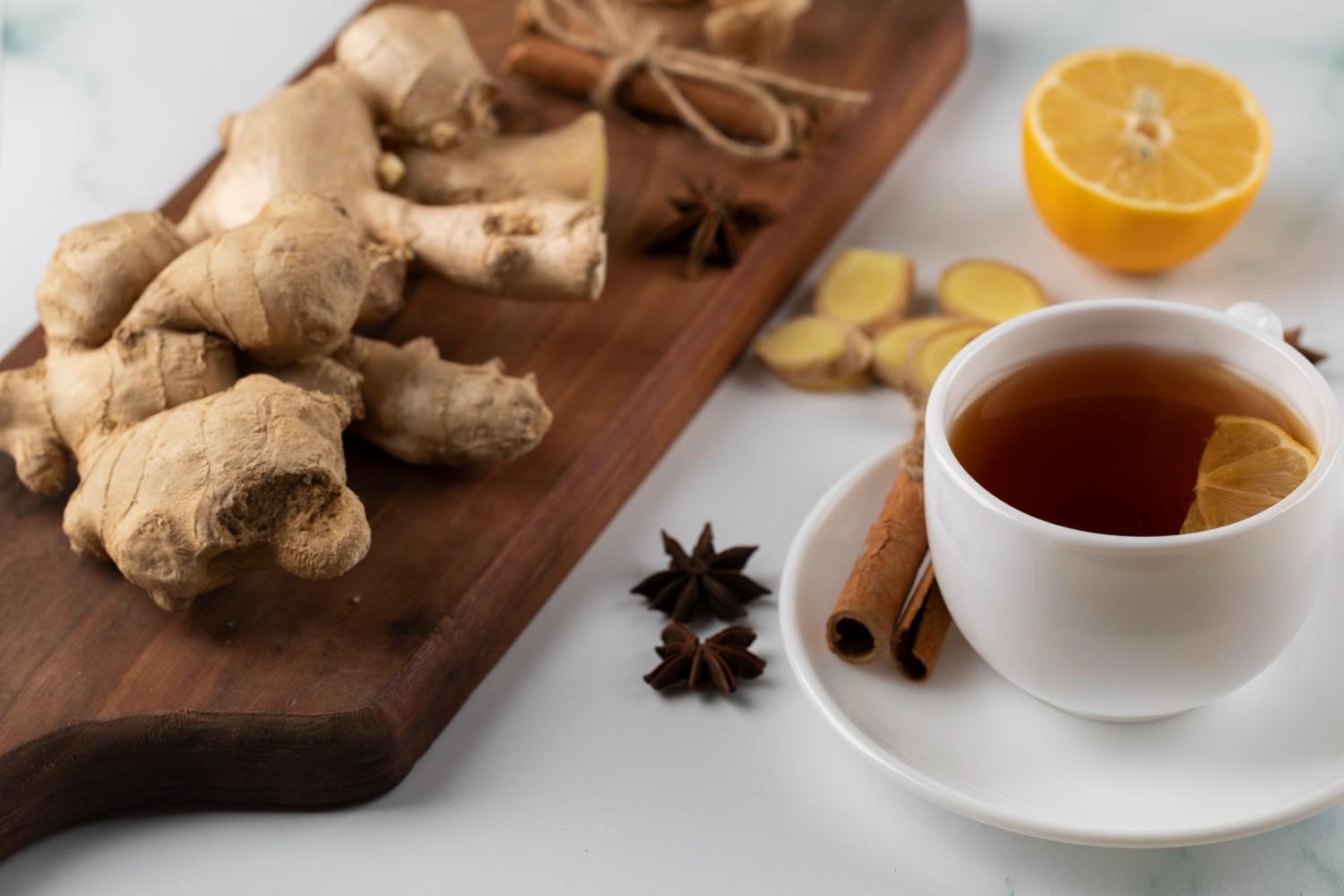
The preparation of ginger tea begins with fresh ginger root, known for its potent anti-inflammatory properties. You will need about one to two inches of ginger, peeled and sliced. Additionally, having water and optional sweeteners like honey or lemon on hand can enhance the flavor and benefits of the tea.
Start by boiling two cups of water in a small pot. Once the water reaches a rolling boil, add the sliced ginger. Allow it to simmer for about ten to fifteen minutes. This process extracts the essential compounds from the ginger, making the tea both flavorful and beneficial. After simmering, strain the tea into a mug and add honey or lemon if desired.
As you sip the warm ginger tea, you may feel a gentle warmth spreading through your body. This sensation can be soothing, allowing you to unwind. Expect to feel the effects within thirty minutes as your muscles begin to relax, paving the way for a restful night.
Pro Tip: For an added boost, consider incorporating turmeric into your ginger tea. This combination enhances anti-inflammatory effects, providing additional muscle comfort.
Targeting Post-Workout Discomfort
For those who engage in physical activity, ginger tea can be a powerful ally in recovery. To prepare, gather fresh ginger, water, and optional ingredients like cinnamon or honey to enhance flavor and health benefits.
Begin by boiling two cups of water and adding one to two inches of sliced ginger. If you choose to add cinnamon, include a stick or a teaspoon of ground cinnamon. Simmer for about ten minutes, allowing the flavors to meld. Strain the tea and sweeten as preferred.
After consuming the tea, you may experience a warming sensation in your muscles. This warming effect can help alleviate soreness and promote relaxation. The tea acts as a gentle reminder for your body to recover, making it an excellent choice after a workout session.
Pro Tip: Enjoy this tea after your workouts to maximize recovery and reduce muscle soreness.
The Calming Bedtime Brew
If you find it challenging to unwind before sleep, ginger tea can serve as a calming bedtime brew. Use fresh ginger root, water, and optional ingredients like chamomile or lavender for added relaxation.
Start by boiling water in a pot. Once boiling, add sliced ginger and any additional herbs you wish to include. Allow it to simmer for about ten minutes. The combined aroma of ginger and herbs will create a calming atmosphere, conducive to relaxation.
As you drink this soothing tea, you may feel a gentle warmth radiating throughout your body. This sensation promotes comfort and prepares you for sleep. Expect the calming effects to last, helping you drift off into a peaceful slumber.
Pro Tip: To enhance relaxation, consider creating a quiet environment by dimming lights and engaging in calming activities while enjoying your tea.
Common Mistakes to Avoid
Using Low-Quality Ingredients
One common mistake individuals make is using low-quality ginger. Fresh ginger root is preferable due to its potency and health benefits. Dried ginger or low-quality tea bags may not provide the same level of effectiveness.
To avoid this mistake, source your ginger from reputable suppliers. Look for firm, plump roots with a fresh aroma. Fresh ginger contains higher levels of gingerol, the compound responsible for its anti-inflammatory properties, making it essential for muscle comfort.
Investing in high-quality ingredients enhances the overall experience and effectiveness of your ginger tea. The benefits are worth the effort in sourcing fresh ginger.
Neglecting Proper Brewing Techniques
Another mistake is not brewing the ginger tea correctly. Simply boiling ginger for a short duration can result in a weak infusion that lacks the desired benefits.
To maximize the efficacy of your tea, allow it to simmer for at least ten minutes. This process extracts the essential oils and compounds, ensuring you receive the full benefits. Straining the tea is equally important to remove any solid pieces that may affect the drinking experience.
By mastering the brewing technique, you enhance the flavor and health benefits of the tea. This simple adjustment can make a significant difference in your muscle comfort.
Overlooking Personal Preferences
Individuals often overlook their taste preferences when preparing ginger tea. Some may find the flavor too strong or spicy, leading to an unappealing experience.
To create a more enjoyable drink, experiment with sweeteners or additional flavors. Honey, lemon, or herbs like mint can complement ginger while softening its intensity. Adjusting these elements allows you to tailor the tea to your liking.
Personalizing your ginger tea not only enhances the flavor but also increases the likelihood of making it a regular part of your routine. Enjoyment plays a crucial role in wellness rituals.
The Science Behind Ginger’s Benefits
Ginger contains bioactive compounds that play a significant role in muscle comfort. One of the most notable is gingerol, which exhibits anti-inflammatory and antioxidant properties. These compounds work by inhibiting inflammatory pathways in the body, reducing muscle soreness and promoting recovery.
The presence of other compounds, such as shogaol and zingerone, also contributes to ginger’s therapeutic effects. Shogaol, formed when ginger is dried or cooked, enhances its potency. These compounds together create a powerful blend that aids in muscle relaxation and overall well-being.
Clinical studies have demonstrated the effectiveness of ginger in reducing muscle pain and soreness. Research indicates that ginger supplementation can lead to significant reductions in muscle pain after exercise. For more detailed findings, you can explore additional research on the subject at PubMed.
Choosing the Right Product
- Potency: Look for products that specify the concentration of ginger extract. Higher potency ensures more effective relief.
- Purity: Choose organic or natural products without artificial additives. Purity enhances the health benefits of ginger tea.
- Form: Decide between fresh ginger, tea bags, or powdered forms based on your preference and convenience. Each form offers unique benefits and flavors.
Pros & Cons of Ginger Tea
| The Benefits | Potential Downsides |
|---|---|
| Reduces muscle soreness and discomfort | May cause digestive upset in sensitive individuals |
| Promotes relaxation and better sleep | Possible interaction with certain medications |
| Natural anti-inflammatory properties | Strong flavor may not be appealing to everyone |
Complementary Lifestyle Habits
Incorporating gentle stretching or yoga into your evening routine can enhance the benefits of ginger tea. These practices promote muscle relaxation and help alleviate tension, making your evening ritual even more effective.
Prioritizing hydration throughout the day also supports muscle recovery. Drinking enough water aids in flushing out toxins and maintaining optimal muscle function. This synergy between hydration and ginger tea can maximize your comfort and wellness.
Who Should Avoid This?
– Individuals with certain bleeding disorders
– Pregnant women or those trying to conceive
– People taking blood-thinning medications
– Those with known allergies to ginger
Common Questions
Can ginger tea help with chronic pain?
Ginger tea may provide relief for chronic pain due to its anti-inflammatory properties. Regular consumption can contribute to overall pain management.
How often can I drink ginger tea?
You can enjoy ginger tea daily. However, moderation is key, especially for those with sensitive stomachs.
Is it safe to consume ginger tea before bed?
Yes, ginger tea can be safely consumed before bed. Its calming effects may improve sleep quality.
Can I use dried ginger instead of fresh?
While dried ginger can be used, fresh ginger typically offers more potent benefits. Fresh ginger provides higher concentrations of beneficial compounds.
The Bottom Line
Ginger tea offers a natural solution for muscle comfort and relaxation. By integrating it into your evening routine, you can experience its soothing effects and improve your overall well-being.
- The Truth: While ginger tea is beneficial, it may not replace medical treatment for serious conditions.
- The Strategy: Consume it 30 to 60 minutes before bedtime for optimal results.
- The Next Step: Consider adding gentle stretching to your routine for enhanced muscle comfort.
Get Your FREE Natural Health Guide!
Subscribe now and receive our exclusive ebook packed with natural health tips, practical wellness advice, and easy lifestyle changes, delivered straight to your inbox.