
Ginger root tea has been cherished for centuries for its robust flavor and numerous health benefits. Among these, its potential for alleviating joint discomfort stands out. Many individuals struggle with joint pain caused by various conditions, including arthritis and inflammation. This persistent discomfort can hinder daily activities and impact overall quality of life.
The good news is that ginger root tea offers a natural alternative to conventional pain relief methods. This soothing brew harnesses the anti-inflammatory properties of ginger, which may help reduce swelling and pain in the joints. A warm cup of ginger tea not only provides comfort but also promotes relaxation and wellbeing.
Exploring ginger root tea as a remedy for joint discomfort can lead to a deeper understanding of its properties and how to effectively incorporate it into your daily routine. This guide will provide you with practical advice, scientific insights, and tips for maximizing the benefits of this ancient beverage.
As you delve into the world of ginger root tea, you will discover how to prepare it, common mistakes to avoid, and the science backing its efficacy. Whether you are new to herbal remedies or looking for additional ways to manage joint pain, this comprehensive guide will empower you to make informed choices for your health.
Contents
How to Use Ginger Root Tea for Real Results
- Best Form: Fresh ginger root
- Best Time: Morning or evening
- Expected Result: Reduced joint pain and inflammation
For Daily Protection
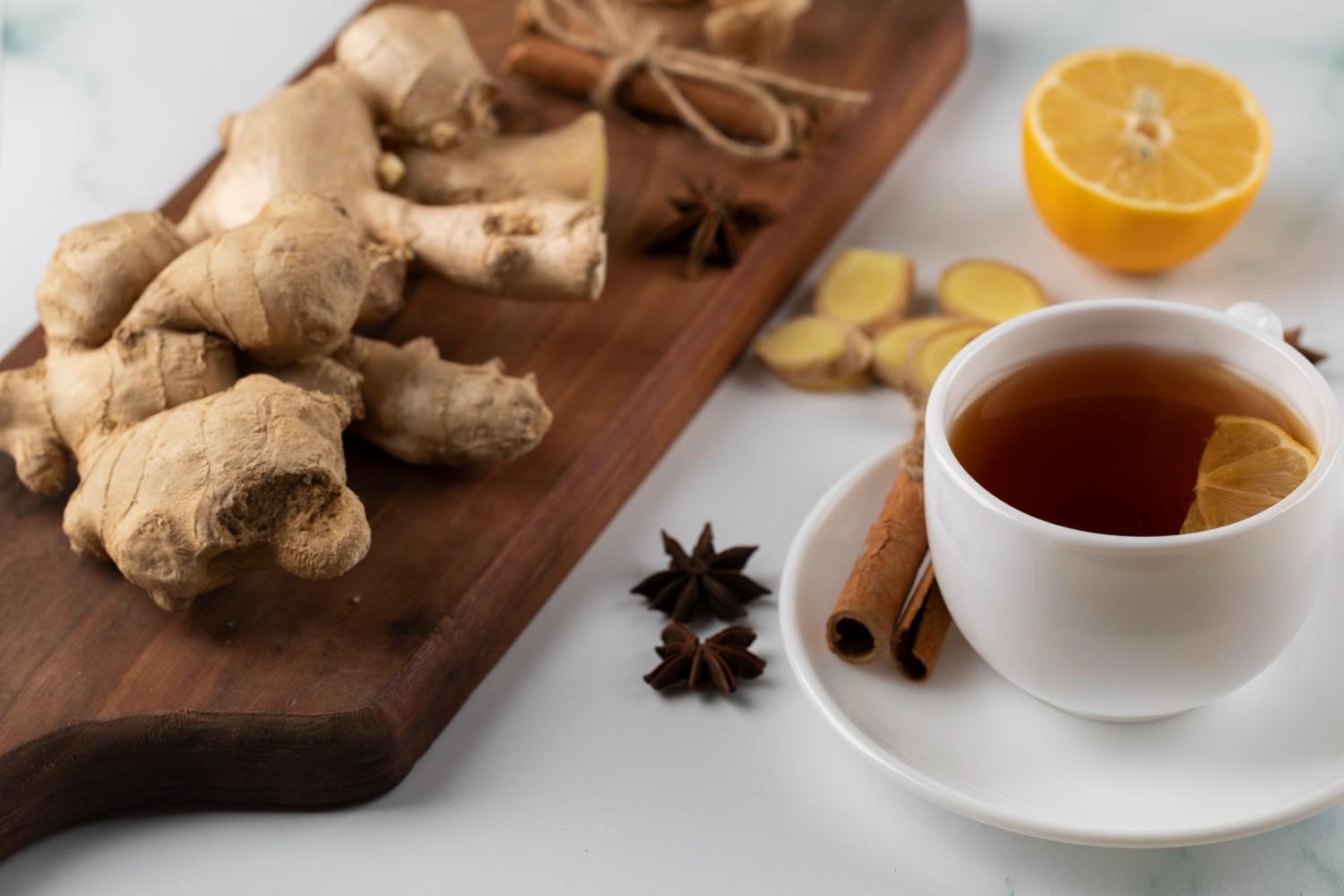
The preparation begins with selecting high-quality fresh ginger root. Aim for a piece that is firm and smooth. You will need about two inches of ginger, peeled and sliced thinly. Place the sliced ginger in a pot with four cups of water.
Bring the water to a boil, then reduce the heat and let it simmer for about ten minutes. This allows the ginger to release its beneficial compounds. After simmering, strain the tea into a cup and enjoy it warm.
The flavor is spicy and invigorating, with a slight warmth that spreads through your body. Many people report feeling a soothing sensation in their joints shortly after consumption. This tea can be enjoyed daily for ongoing benefits.
Pro Tip: Add a splash of lemon juice or a teaspoon of honey to enhance the flavor and boost the tea’s antioxidant properties.
Targeting Acute Pain
When experiencing acute joint pain, a stronger infusion of ginger may provide immediate relief. Start with a larger piece of ginger, about three inches, and prepare it similarly to the daily brew.
Slice the ginger and place it in a pot with two cups of water. Bring it to a boil, then let it steep for fifteen minutes. Strain the tea and sip it slowly, allowing the warmth to envelop you.
This concentrated brew delivers a more potent dose of gingerol, the active compound in ginger known for its anti-inflammatory effects. Users often describe a warming sensation that alleviates pain and promotes comfort.
Pro Tip: Consider adding turmeric to the brew for an additional anti-inflammatory boost.
The Nighttime Routine
For those who struggle with nighttime joint pain, a calming ginger tea can promote relaxation before bed. Use a smaller piece of ginger, about one inch, and combine it with chamomile flowers for added soothing effects.
Prepare the tea by boiling the ginger and chamomile in three cups of water for ten minutes. Strain and serve warm.
The combination creates a gentle, aromatic tea that can help ease tension and promote better sleep. Many find that the soothing warmth helps reduce nighttime discomfort, allowing for a more restful night.
Pro Tip: Add a pinch of cinnamon for extra flavor and potential blood sugar regulation benefits.
Avoiding Common Mistakes
Using Low-Quality Ingredients
Selecting high-quality ginger root is crucial for maximizing the health benefits of your tea. Low-quality ginger may not have the same potency, leading to subpar results.
To avoid this mistake, purchase fresh ginger from reputable sources. Look for roots that are firm and free from blemishes. Organic ginger is often a better choice as it is less likely to contain harmful pesticides.
Investing in quality ingredients ensures you receive the full spectrum of benefits that ginger root has to offer.
Neglecting Proper Preparation
Improper preparation can diminish the effectiveness of ginger root tea. Some may make the mistake of using powdered ginger or not allowing the tea to steep long enough.
For optimal benefits, always use fresh ginger and allow it to simmer adequately. The longer the ginger steeps, the more beneficial compounds are released.
Taking the time to prepare the tea correctly enhances its flavor and efficacy, ensuring you gain the most from your efforts.
Overconsuming Ginger
While ginger is generally safe, excessive consumption can lead to digestive discomfort and other issues. Some individuals may mistakenly believe that more ginger equals more benefits.
Stick to recommended servings. Typically, two to four grams of fresh ginger per day is sufficient. Monitor your body’s response to ginger and adjust your intake accordingly.
Being mindful of consumption helps prevent adverse effects while still allowing you to enjoy the benefits of ginger root tea.
The Science Behind Ginger’s Benefits
Ginger contains bioactive compounds, primarily gingerols and shogaols, that have anti-inflammatory and antioxidant properties. These compounds work by inhibiting the production of inflammatory markers in the body, providing relief from joint discomfort.
Gingerol, the most studied compound in ginger, has been shown to reduce pain and inflammation in various studies. This makes ginger an excellent natural alternative for those seeking to alleviate joint pain without the side effects of pharmaceuticals.
Clinical studies have demonstrated ginger’s efficacy in reducing pain associated with osteoarthritis and rheumatoid arthritis. For more detailed research, explore this link for relevant scientific literature.
Choosing the Right Product
- Potency: Look for products that specify the amount of ginger per serving. Potency matters as it directly affects the effectiveness of the tea.
- Purity: Choose organic or minimally processed ginger to avoid contaminants. Purity ensures you receive the full benefits without harmful additives.
- Form: Fresh ginger root is often preferred, but high-quality tea bags can be convenient. Consider your lifestyle when choosing the form of ginger to use.
Benefits vs Risks
| The Benefits | Potential Downsides |
|---|---|
| Reduces inflammation and pain in joints | May cause digestive issues if consumed in excess |
| Supports overall digestive health | Possible interaction with blood-thinning medications |
| Rich in antioxidants | Not suitable for everyone, particularly pregnant individuals |
Habits to Enhance Benefits
Incorporating regular physical activity into your routine can complement the effects of ginger root tea. Gentle exercises such as yoga or swimming reduce stiffness and improve joint mobility.
Maintaining a balanced diet rich in anti-inflammatory foods amplifies the benefits of ginger. Foods like leafy greens, berries, and nuts work synergistically with ginger to support joint health.
Who Should Avoid This?
– Pregnant individuals
– People on blood-thinning medications
– Those with gallstones or bile duct obstruction
– Individuals with allergies to ginger or related plants
Common Questions
How often can I drink ginger root tea?
You can safely enjoy ginger root tea daily, typically two to four cups, depending on your tolerance.
Can ginger tea interact with medications?
Yes, ginger may interact with blood thinners and certain medications. Consult your healthcare provider if you are on medication.
Is there a best time to drink ginger tea?
Morning or evening is ideal, but listen to your body. Find a time that works best for you.
Can I add other ingredients to my ginger tea?
Absolutely. Ingredients like lemon, honey, or turmeric can enhance flavor and health benefits.
The Bottom Line
Ginger root tea is a natural option for those seeking relief from joint discomfort.
- The Truth: While effective, it may not replace all conventional treatments.
- The Strategy: Drink it regularly to experience cumulative effects.
- The Next Step: Consider integrating gentle exercise into your routine for enhanced joint health.
Get Your FREE Natural Health Guide!
Subscribe now and receive our exclusive ebook packed with natural health tips, practical wellness advice, and easy lifestyle changes, delivered straight to your inbox.