
The challenge of managing visceral fat is increasingly pertinent in today’s society. This type of fat, which accumulates around the organs, poses significant health risks, including heart disease and diabetes. Many people find themselves grappling with lifestyle choices that lead to weight gain and metabolic imbalances. While diet and exercise are fundamental, additional natural strategies can enhance visceral fat metabolism and overall wellness.

Oolong tea, a semi-oxidized tea that sits between green and black tea, has gained attention for its potential health benefits. Rich in antioxidants and unique compounds, oolong tea may provide an effective means to improve fat metabolism and support weight management. Integrating this beverage into daily routines can be a flavorful and beneficial approach to tackling visceral fat.
The science behind oolong tea’s effects on metabolism is compelling. It contains polyphenols, which can influence fat oxidation and energy expenditure. This guide delves into the practical applications of oolong tea for visceral fat metabolism, common mistakes to avoid, the underlying science, and much more.
Understanding how to incorporate oolong tea can transform not only your approach to visceral fat but also enhance your overall health. The following sections will provide detailed insights into using this tea effectively, ensuring you can sip your way to better health outcomes.
Contents
How to Use Oolong Tea for Real Results
- Best Form: Loose leaf or high-quality tea bags
- Best Time: Morning or early afternoon
- Expected Result: Enhanced metabolism and fat oxidation
The Morning Boost
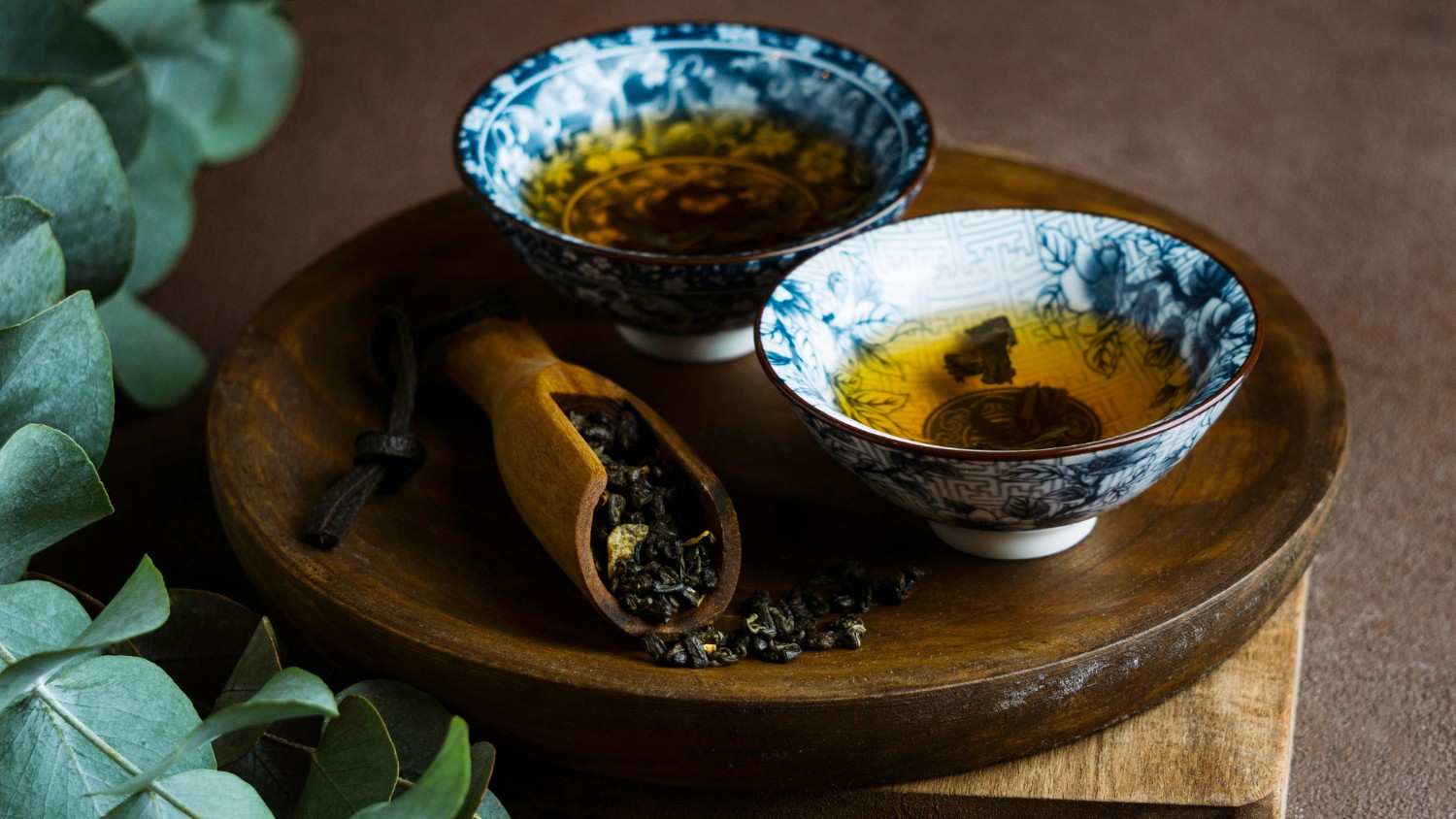
The Prep: Start your day with high-quality loose-leaf oolong tea. You will need about two teaspoons of tea leaves and a cup of freshly boiled water. Ensure that the water has cooled slightly to around 190°F to avoid burning the leaves.
The Action: Place the oolong leaves in a teapot or infuser. Pour the hot water over the leaves and let it steep for about three to five minutes. This allows the flavors and beneficial compounds to infuse into the water. After steeping, strain the leaves and enjoy your tea.
The Feeling: You will likely experience a warm, soothing sensation as you sip the tea. The rich, slightly floral flavor can awaken your senses and provide a gentle energy lift that lasts for hours. The effects of increased alertness and improved focus can be felt almost immediately.
Pro Tip: For added benefits, consider adding a slice of lemon to enhance flavor and vitamin C content.
Midday Metabolism Helper
The Prep: For an afternoon boost, prepare a refreshing iced oolong tea. Use the same two teaspoons of loose-leaf tea and a cup of hot water.
The Action: Brew the oolong tea as you would for hot tea, but once it has steeped for three to five minutes, pour it over a glass filled with ice. This cooling method retains the tea’s beneficial properties while providing hydration.
The Feeling: As you sip the chilled tea, you may notice a refreshing sensation that invigorates you, particularly during a midday slump. The invigorating taste can help clear your mind and enhance your focus as you tackle the rest of your day.
Pro Tip: Infuse your iced tea with fresh herbs like mint for an additional flavor boost and digestive aid.
The Evening Ritual
The Prep: Wind down with a calming cup of oolong tea before bed. Use one teaspoon of leaves per cup of water.
The Action: Brew the tea in the same manner as before, but allow it to steep for a slightly longer time, about five to seven minutes. This enhances the flavor while providing a calming effect.
The Feeling: The warm tea can create a soothing atmosphere, helping you relax as you prepare for sleep. The gentle aroma and taste can promote tranquility, which is essential for a restful night.
Pro Tip: Avoid adding sugar or sweeteners to maintain the tea’s natural benefits and promote better sleep.
Avoiding Common Mistakes
Using Poor-Quality Tea
Many individuals overlook the importance of tea quality, opting for low-grade, mass-produced options. These lower-quality teas may contain fewer beneficial compounds and more additives. Choosing high-quality loose-leaf oolong ensures that you receive the maximum health benefits.
Opt for organic sources whenever possible. This reduces exposure to pesticides and ensures that you are consuming a product that is pure and rich in antioxidants. Research reputable brands that focus on sustainable sourcing and quality control.
Oversteeping the Tea
Oversteeping oolong tea can lead to a bitter taste and diminish its health benefits. Each tea type has an optimal steeping time, and oolong is no exception. Steeping for too long can release excessive tannins, which may cause digestive discomfort and reduce the enjoyable flavor profile.
Follow recommended steeping times closely. Experiment with different steeping durations to find the perfect balance that suits your taste while maximizing health benefits.
Neglecting Other Lifestyle Factors
Relying solely on oolong tea without considering other lifestyle factors can limit its effectiveness in managing visceral fat. Nutrition and physical activity play crucial roles in weight management. Focusing solely on tea consumption can create an imbalance in one’s approach to health.
Incorporate oolong tea as part of a balanced diet rich in whole foods, lean proteins, and healthy fats. Pair regular tea consumption with physical activities like walking or strength training to enhance metabolic processes and achieve optimal results.
The Science Behind Oolong Tea and Metabolism
Oolong tea influences visceral fat metabolism through its unique biological mechanisms. The polyphenols found in oolong tea, particularly catechins, promote fat oxidation and enhance energy expenditure. These compounds stimulate the body’s metabolic pathways, leading to improved fat utilization, especially during exercise.
One key compound in oolong tea is epigallocatechin gallate (EGCG). This catechin has been extensively studied for its role in fat metabolism and weight management. EGCG enhances fat oxidation and can potentially increase the rate at which the body burns calories.
Clinical studies have shown that oolong tea can significantly impact weight management and fat reduction. Research indicates that regular consumption of oolong tea is associated with reduced body fat percentage and waist circumference. For more in-depth clinical evidence, visit PubMed for a comprehensive overview of relevant research.
Choosing the Right Oolong Tea Product
– **Potency:** Look for oolong tea with a high concentration of polyphenols. A higher potency typically leads to better health benefits and enhanced metabolism.
-
Purity: Ensure the tea is organic and free from additives. Pure oolong tea will provide the most health benefits without the risk of consuming harmful chemicals.
-
Form: Loose-leaf tea is generally preferred over tea bags, as it often contains higher quality leaves and provides a more robust flavor.
Benefits vs Risks of Oolong Tea
| The Benefits | Potential Downsides |
|---|---|
| Enhances fat metabolism and energy expenditure. | May cause digestive discomfort if consumed in excess. |
| Rich in antioxidants that combat oxidative stress. | High caffeine content may lead to insomnia if consumed late in the day. |
| Supports cardiovascular health and reduces the risk of chronic diseases. | Possible interactions with certain medications, such as blood thinners. |
Complementary Lifestyle Habits
Incorporating regular physical activity into your routine can significantly enhance the effects of oolong tea. Aim for a mix of cardiovascular exercises and strength training to maximize fat loss and improve metabolic health.
Mindfulness practices, such as meditation or yoga, can also complement your oolong tea routine. These practices reduce stress, which is vital for maintaining a healthy weight and supporting overall wellness.
Who Should Avoid This?
– Pregnant or breastfeeding individuals.
– Those with caffeine sensitivity or anxiety disorders.
– Individuals taking medications that may interact with caffeine.
– People with certain heart conditions or high blood pressure.
Common Questions
How much oolong tea should I drink daily?
Drinking two to three cups per day is generally recommended for optimal benefits without excessive caffeine intake.
Can oolong tea help with weight loss?
Yes, when combined with a balanced diet and regular exercise, oolong tea may assist in weight management by enhancing fat metabolism.
Is there a best time to drink oolong tea?
Morning or early afternoon is ideal for maximizing its energizing effects without disrupting sleep.
Are there any side effects of oolong tea?
Excessive consumption can lead to digestive issues or insomnia due to its caffeine content. Moderation is key.
The Bottom Line
Integrating oolong tea into your routine can enhance visceral fat metabolism and overall health.
- The Truth: While oolong tea offers benefits, it should not replace other healthy lifestyle practices.
- The Strategy: Consume it in the morning or early afternoon for maximum effectiveness.
- The Next Step: Consider pairing your tea consumption with regular exercise for optimal results.
Get Your FREE Natural Health Guide!
Subscribe now and receive our exclusive ebook packed with natural health tips, practical wellness advice, and easy lifestyle changes, delivered straight to your inbox.