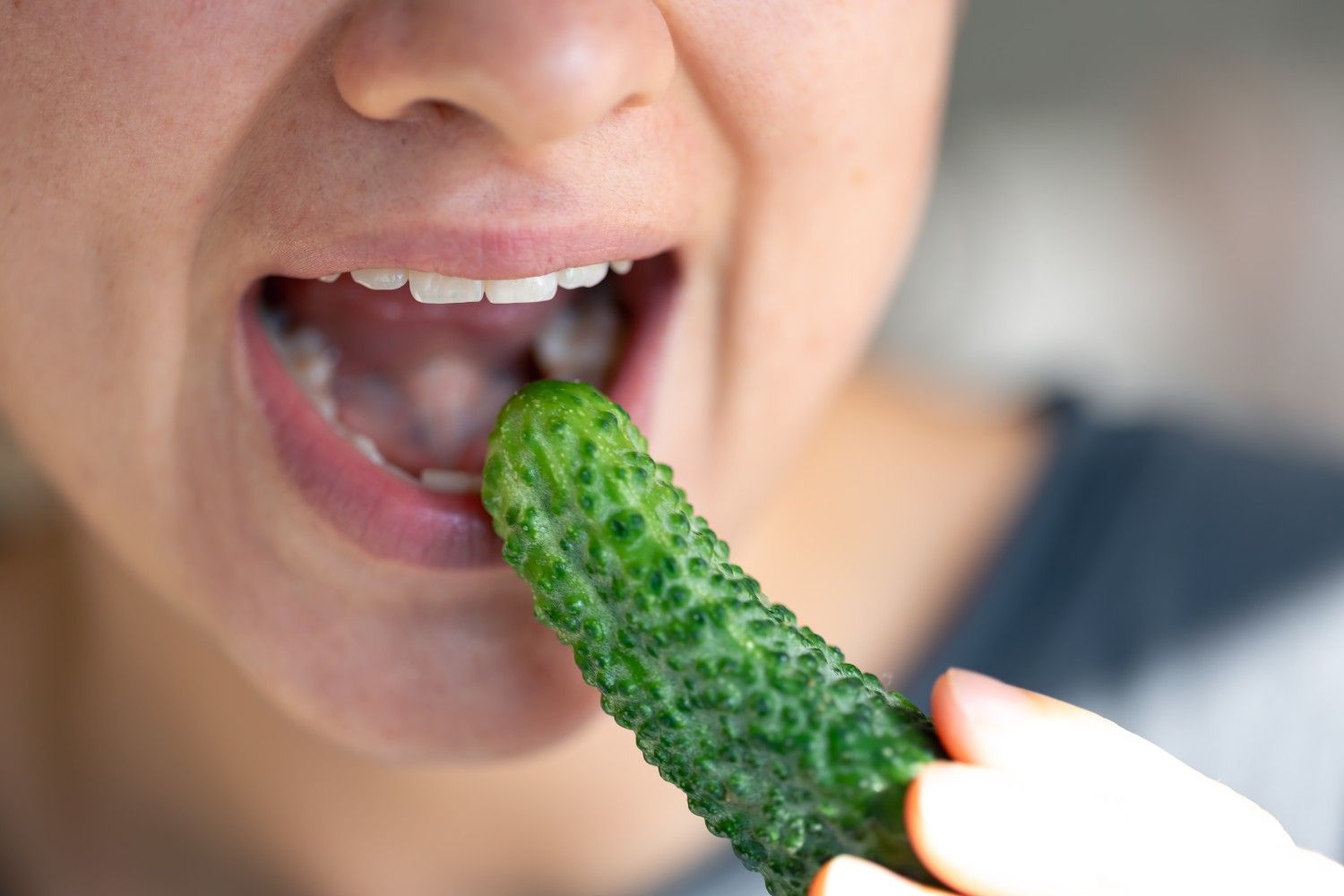

Many individuals experience issues related to oral health, including bad breath, gum disease, and tooth decay. These problems often stem from an imbalance within the oral microbiome, which houses various bacteria that play crucial roles in maintaining oral health. When harmful bacteria overpower beneficial ones, the result can be inflammation, pain, and even chronic health issues. The good news is that dietary adjustments can help restore this balance, leading to a revitalized smile.
By focusing on a specific diet aimed at restoring the oral microbiome, individuals can improve their oral health significantly. This approach emphasizes foods that nourish beneficial bacteria while minimizing those that encourage harmful growth. Implementing this diet not only enhances oral health but can also contribute to overall wellness. The path to a healthier mouth and body starts with informed dietary choices.
This guide explores how to effectively implement an oral microbiome restoration diet. Readers will learn practical applications, common mistakes to avoid, and the scientific evidence supporting these dietary changes. By understanding the intricate relationship between diet and oral health, individuals can take actionable steps toward a brighter, healthier smile.
Revitalizing your smile is within reach by embracing this holistic approach to oral care.
Contents
How to Use Dietary Changes for Real Results
- Best Form: Whole foods rich in fiber and probiotics.
- Best Time: Incorporate throughout meals daily.
- Expected Result: Balanced oral microbiome and improved gum health.
For Daily Protection
Start your day with a nutrient-rich breakfast. Include foods like oats, yogurt, and fresh fruits such as berries. Prepare a bowl of oatmeal topped with a dollop of yogurt and a handful of berries. This combination provides prebiotics and probiotics that support beneficial bacteria in the mouth.
Eat your breakfast while being mindful of chewing slowly. This allows saliva to mix with the food, helping to neutralize acids and wash away harmful bacteria. After eating, consider drinking a glass of water to further cleanse the mouth.
After enjoying your meal, you may notice a refreshing sensation in your mouth, with a slight sweetness from the berries. The cooling effect from the yogurt can also soothe any gum sensitivity. The pleasant taste of this breakfast will linger, encouraging you to maintain this routine.
Pro Tip: Keep a variety of berries on hand to switch up flavors and maximize nutrient intake.
Targeting Acute Pain
When experiencing acute gum pain, consider making a soothing herbal tea. Ingredients like chamomile and peppermint are excellent choices due to their anti-inflammatory properties. Brew a cup using fresh herbs or tea bags, allowing it to steep for at least five minutes.
After brewing, sip the tea slowly, letting it coat your gums. The warmth will offer comfort, while the natural compounds in the herbs work to reduce inflammation. Swishing the tea around your mouth can enhance its benefits.
You may feel a soothing warmth spreading through your mouth, easing discomfort and promoting relaxation. The taste will be calming, with a hint of sweetness from chamomile that makes the experience enjoyable. This can be a great way to alleviate pain while contributing to oral health.
Pro Tip: Drink this tea before bedtime for added relaxation and pain relief.
The Nighttime Routine
Before sleep, a mouth rinse can be beneficial for maintaining oral health. Combine warm water with a teaspoon of sea salt and a few drops of tea tree oil, known for its antibacterial properties. Mix well until dissolved.
Swish the mixture in your mouth for about a minute before spitting it out. This rinse helps to reduce harmful bacteria while promoting gum health. It can also provide a refreshing feeling before bedtime.
You might experience a tingling sensation from the tea tree oil, which indicates its active properties working against bacteria. The saltwater will leave your mouth feeling clean and invigorated. This nightly ritual can enhance your oral hygiene routine significantly.
Pro Tip: Make this rinse part of your nightly self-care to promote lasting oral health.
Common Missteps to Avoid
Ignoring Whole Foods
Many individuals opt for processed foods that lack essential nutrients. This choice can lead to an imbalance in the oral microbiome, promoting harmful bacteria. Whole foods provide vitamins and minerals necessary for maintaining oral health.
To correct this, focus on incorporating a variety of fruits, vegetables, whole grains, and fermented foods into your diet. These options offer the nutrients needed to support beneficial bacteria. Prioritize whole, unprocessed foods over packaged options.
Overlooking Hydration
Dehydration can lead to dry mouth, which allows harmful bacteria to thrive. Many people forget the importance of drinking enough water throughout the day. A hydrated mouth is essential for washing away food particles and bacteria.
To ensure adequate hydration, set reminders to drink water regularly. Carry a water bottle to encourage consistent intake. This habit will help maintain saliva production, which is crucial for oral health.
Neglecting Regular Dental Visits
Some may think that dietary changes alone can resolve oral health issues. However, neglecting regular dental check-ups can lead to undetected problems. Professional cleanings and examinations are vital for maintaining oral health.
Schedule routine dental visits at least twice a year. This proactive approach will allow for early detection and treatment of any issues. Combining dietary changes with professional care offers the best outcomes for oral health.
The Biological Mechanism Behind Oral Health
The oral cavity is home to a diverse ecosystem of microorganisms. This balance is crucial for preventing diseases such as gum inflammation and tooth decay. Beneficial bacteria help to inhibit the growth of harmful ones, thereby maintaining a healthy oral environment.
One key compound in this balance is lactobacillus, a probiotic that supports the health of gum tissue and helps to fend off pathogenic bacteria. By consuming foods rich in lactobacillus, individuals can enhance their oral microbiome and improve health outcomes.
Research indicates that dietary changes can significantly impact oral health. A study published in the PubMed database highlights the importance of specific nutrients and their role in sustaining beneficial bacteria. This evidence supports the notion that an oral microbiome restoration diet can lead to lasting improvements in oral health.
Choosing the Right Product
- Potency: Ensure the product contains sufficient amounts of active ingredients to be effective.
- Purity: Look for products that are free from artificial additives and fillers to maximize health benefits.
- Form: Choose forms that suit personal preferences, such as powders, capsules, or liquid options for ease of use.
The Benefits vs. Potential Downsides
| The Benefits | Potential Downsides |
|---|---|
| Improved gum health and reduced inflammation | Initial discomfort during dietary adjustments |
| Balanced oral microbiome leading to fresher breath | Time and effort required to shift eating habits |
| Enhanced overall health from nutrient-rich foods | Potential for allergic reactions to specific ingredients |
Habits for a Healthier Smile
Incorporating mindful eating practices can significantly improve oral health. Taking time to chew food thoroughly promotes saliva production, which is essential for neutralizing acids and washing away harmful bacteria. This habit can make a noticeable difference in mouth health.
Regularly practicing stress management techniques, such as yoga or meditation, can also benefit oral health. Stress can contribute to teeth grinding and gum issues. By managing stress effectively, individuals can reduce these oral health risks.
Who Should Avoid This?
- Individuals with specific allergies to ingredients in the diet.
- Those undergoing treatments that compromise the immune system.
- People with chronic health conditions that require specialized dietary considerations.
Common Questions
What foods should I avoid for better oral health?
Avoid sugary snacks and processed foods as they can promote harmful bacteria in the mouth.
How long does it take to see results from dietary changes?
Results can vary, but many individuals notice improvements within a few weeks of consistent dietary adjustments.
Can I combine this diet with other health practices?
Yes, combining dietary changes with good oral hygiene practices enhances overall effectiveness.
Are there any supplements recommended for oral health?
Probiotic supplements can be beneficial in supporting a healthy oral microbiome.
The Bottom Line
Revitalizing your smile through dietary changes is a proactive approach to oral health.
- The Truth: Dietary changes may take time to show significant results.
- The Strategy: Incorporate these foods consistently for the best outcomes.
- The Next Step: Start by replacing one meal a day with nutrient-rich options.
Get Your FREE Natural Health Guide!
Subscribe now and receive our exclusive ebook packed with natural health tips, practical wellness advice, and easy lifestyle changes, delivered straight to your inbox.