
Contents
In Brief
- Safety: Generally safe for most people, but moderation is key.
- Effectiveness: Evidence suggests certain foods can enhance sleep quality.
- Key Benefit: Natural food sources can promote better sleep without medication.
You’ve tried counting sheep, sipping warm milk, and even meditating, yet the elusive quality sleep remains just out of reach. It’s frustrating, isn’t it? For many, the solution might be as simple as rethinking what’s on their plate. Certain foods, including almonds, contain nutrients that may help you drift off into a peaceful slumber.

Research shows that specific nutrients found in food can influence sleep patterns. Magnesium, tryptophan, and melatonin are just a few compounds that play a crucial role in regulating sleep. By incorporating these nutrients into your diet, you may find it easier to relax and achieve restful sleep.
Imagine swapping out late-night snacks for a handful of almonds or a warm bowl of oatmeal. These options not only nourish your body but also support your sleep cycle. The journey to better sleep could be as simple as making mindful choices about what you eat.
So, what should you include in your diet to enhance your sleep? Let’s explore the science behind these foods and how they can benefit your nightly routine.
What the Research Says
Studies indicate that certain foods can significantly affect sleep quality. Almonds, for instance, are rich in magnesium, a mineral linked to improved sleep. According to the National Institutes of Health, magnesium deficiency can lead to sleep disturbances, while adequate intake may promote longer sleep duration.
Another key player is tryptophan, an amino acid that helps produce serotonin and melatonin, both of which are vital for regulating sleep. Foods high in tryptophan include turkey, cheese, and nuts, including almonds.
The following table provides a comparison of almonds versus a common alternative, such as a sugary snack, to highlight their benefits:
| Food | Benefits for Sleep | Common Alternatives |
|---|---|---|
| Almonds | Rich in magnesium and tryptophan; promotes relaxation | Chocolate |
| Oatmeal | Contains melatonin; helps induce sleepiness | Sugary cereals |
| Bananas | High in potassium and magnesium; muscle relaxation | Potato chips |
These findings underscore the importance of diet in managing sleep quality. By making simple dietary adjustments, you can harness the power of food to improve your rest.
Effective Ways to Use This
-
Snack on Almonds Before Bed
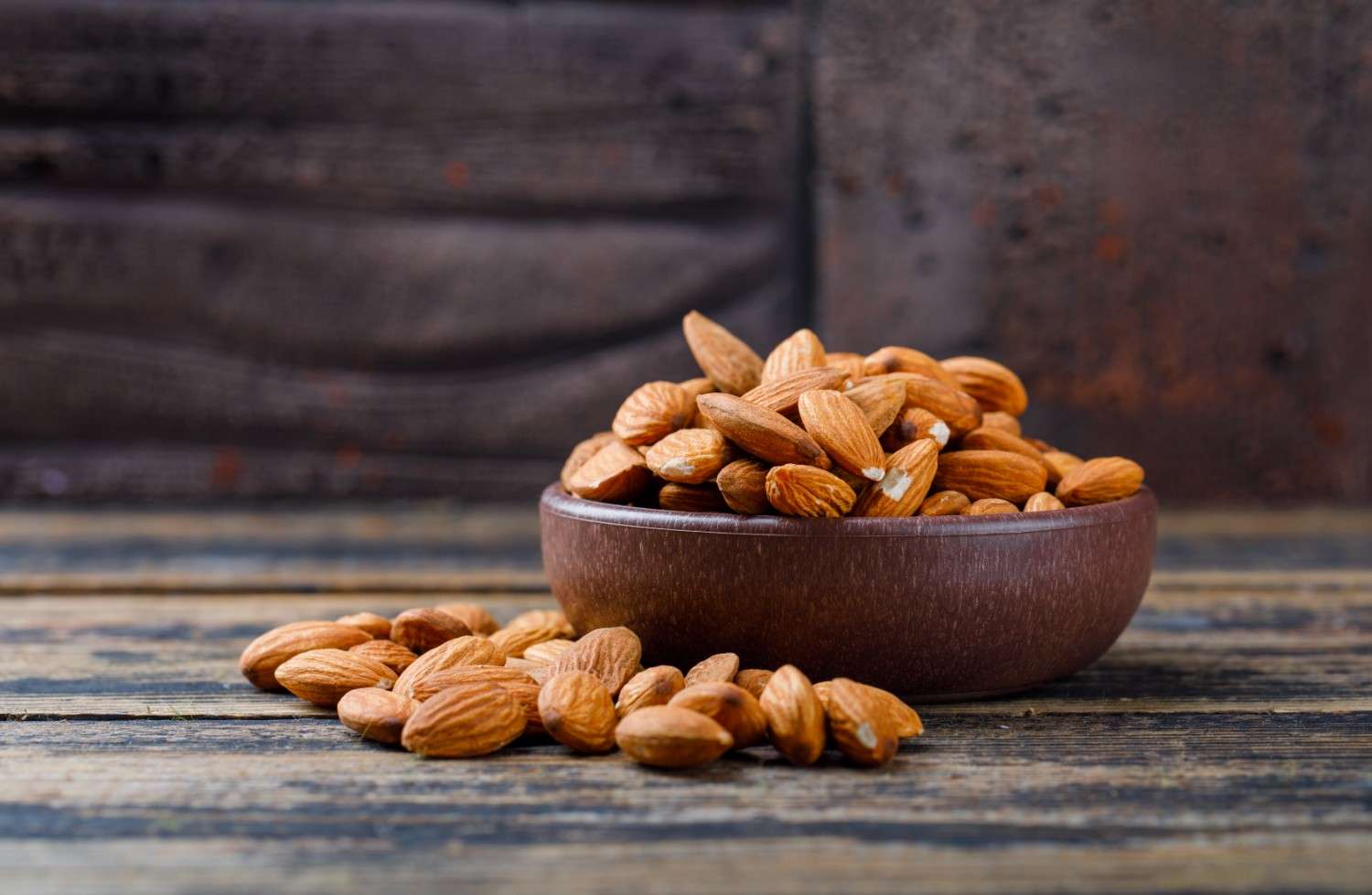
Almonds are not just a delicious snack; they are packed with magnesium, which has been shown to improve sleep quality. A handful of almonds contains about 76 mg of magnesium, significantly contributing to your daily needs. Consider making almonds a part of your evening routine. Enjoy them raw or lightly roasted. This simple addition may help you relax and prepare your body for sleep. -
Incorporate Oatmeal into Your Dinner
Oatmeal is not just for breakfast. This warm, comforting dish can be a soothing bedtime snack. Oats contain melatonin, which can help signal to your body that it’s time to wind down. Top your oatmeal with some sliced bananas or a drizzle of honey for added flavor and benefits. This can create a calming pre-sleep ritual that helps you relax. -
Enjoy Turkey or Chicken
Lean meats like turkey and chicken are excellent sources of tryptophan. This amino acid is essential for the production of melatonin and serotonin, which regulate sleep. A small serving of turkey or chicken in your evening meal may help promote better sleep. Pair it with leafy greens, which are high in magnesium, for a well-rounded meal. -
Add Cherries to Your Diet
Cherries, especially tart varieties, are one of the few natural sources of melatonin. Including a small bowl of cherries as an evening snack can not only satisfy your sweet tooth but also help regulate your sleep-wake cycle. This simple fruit can be a delightful addition to your nighttime routine. -
Try Herbal Tea
Herbal teas, such as chamomile or valerian root, can have calming effects that promote sleep. Chamomile contains antioxidants that may promote sleepiness and reduce insomnia. Consider sipping a warm cup of herbal tea an hour before bedtime to help ease your mind and prepare for sleep. -
Include Fatty Fish in Your Diet
Fatty fish like salmon and mackerel are rich in omega-3 fatty acids and vitamin D, both of which have been linked to improved sleep quality. A serving of fatty fish a few times a week can help enhance your sleep cycle. This nutrient-dense option is not only good for your overall health but also supports better rest. -
Opt for Whole Grains
Whole grains, such as brown rice and quinoa, can help increase serotonin levels in the brain. This can promote relaxation and improve sleep quality. Consider making whole grains a staple in your evening meals. They provide fiber and essential nutrients, making them a healthy choice for dinner.
Best Time & Dosage
Timing is crucial when it comes to food and sleep. Aim to eat your last meal 2-3 hours before bedtime to allow for digestion. This helps prevent discomfort that may interfere with your sleep.
For specific foods like almonds, a recommended serving size is about 1 ounce (approximately 23 almonds). This portion provides enough magnesium and healthy fats without overdoing it on calories. If you’re incorporating oats, a serving of 1 cup cooked can be beneficial.
Incorporating these foods into your evening routine can create a calming atmosphere conducive to sleep. Pay attention to how your body responds and adjust accordingly.
Safety & Precautions
-
Moderation is Key
While almonds and other sleep-promoting foods are beneficial, consuming them in excessive amounts can lead to unwanted weight gain or digestive issues.
Safety Note: Stick to recommended serving sizes to avoid negative side effects. -
Allergy Awareness
Some individuals may be allergic to nuts, including almonds. If you have a known nut allergy, it’s crucial to avoid them.
Safety Note: Always consult with a healthcare provider if you suspect an allergy. -
Watch for Interactions
Certain foods can interact with medications, particularly those that affect sleep or mood.
Safety Note: Discuss dietary changes with your healthcare provider if you are on medication. -
Consider Individual Needs
Dietary needs can vary greatly among individuals based on health conditions, lifestyle, and personal preferences.
Safety Note: Tailor your diet to your specific health needs and consult a nutritionist if necessary. -
Avoid Sugary Snacks
While it may be tempting to reach for sugary snacks before bed, these can lead to spikes in blood sugar that disrupt sleep.
Safety Note: Opt for healthier alternatives like nuts or fruit to promote better sleep.
5 Common Myths vs. Facts
-
Myth: Eating before bed will always lead to weight gain.
Fact: Choosing healthy snacks like almonds can actually support better sleep without contributing to weight gain. -
Myth: All carbs before bedtime are bad.
Fact: Complex carbohydrates, like oatmeal, can promote sleep by increasing serotonin levels. -
Myth: Alcohol helps you sleep better.
Fact: While alcohol may initially make you feel sleepy, it disrupts sleep cycles and can lead to poorer quality rest. -
Myth: You should avoid fats before bed.
Fact: Healthy fats from sources like almonds can be beneficial for sleep when consumed in moderation. -
Myth: Herbal teas are ineffective for sleep.
Fact: Certain herbal teas, like chamomile, have been shown to promote relaxation and improve sleep quality.
The Final Verdict
Incorporating almonds and other sleep-supportive foods into your evening routine can be a game-changer for your sleep quality. With the right choices, you can nourish your body while promoting restful nights. Embrace these foods, listen to your body, and watch as your sleep improves naturally.
Get Your FREE Natural Health Guide!
Subscribe now and receive our exclusive ebook packed with natural health tips, practical wellness advice, and easy lifestyle changes, delivered straight to your inbox.