
Contents
In Brief
- Safety: Generally considered safe for most people; however, consult a healthcare provider if pregnant or taking medications.
- Effectiveness: Shown to reduce anxiety and improve sleep quality in various studies.
- Key Benefit: A natural remedy that promotes relaxation and inner peace without the side effects of pharmaceuticals.
You’ve tossed and turned all night, unable to escape the whirlwind of thoughts racing through your mind. The constant chatter can feel overwhelming, leaving you drained and anxious. Finding a way to calm that mental storm is essential for your well-being.
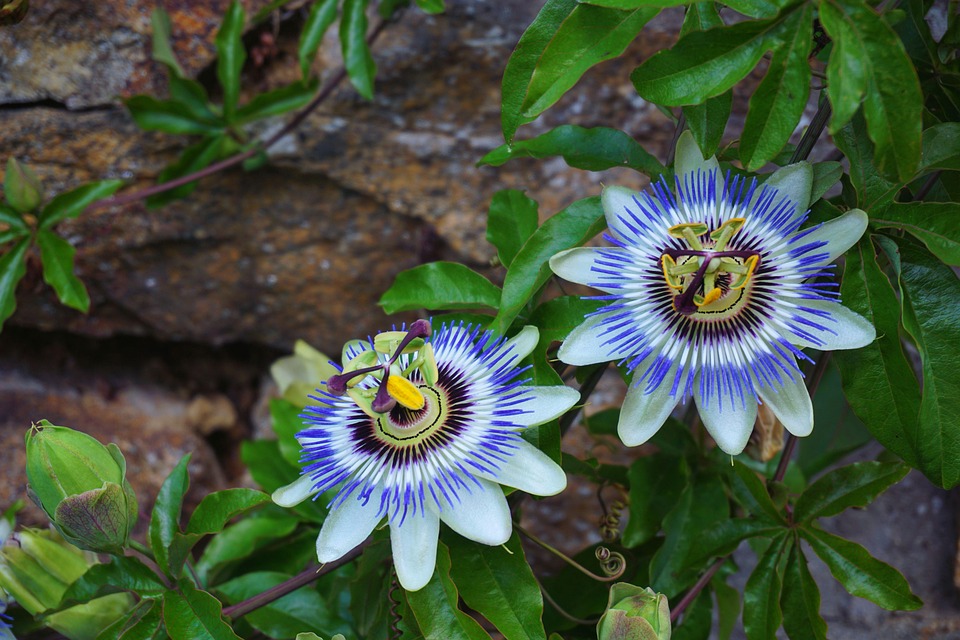
As you search for solutions, you might stumble upon passionflower—a beautiful plant with a long history of use in traditional medicine. This herb has been praised not only for its calming effects but also for its ability to help individuals find a sense of tranquility amidst chaos.
Research supports the use of passionflower for anxiety and sleep disturbances. Its natural compounds work synergistically to promote relaxation, allowing you to reclaim your inner peace. With its growing popularity, understanding how to incorporate passionflower into your routine can lead to a more serene life.
Imagine waking up refreshed, with a clear mind ready to tackle the day. Passionflower may be the key to transforming your restless nights into peaceful slumbers, guiding you toward the calm you’ve been seeking.
What the Research Says
Numerous studies have explored the efficacy of passionflower in alleviating anxiety and promoting sleep. One notable study published in the journal Phytotherapy Research found that participants who took passionflower extract reported significantly lower anxiety levels compared to those who received a placebo. The active compounds in passionflower, such as flavonoids, are believed to interact with gamma-aminobutyric acid (GABA) receptors in the brain, which play a crucial role in regulating mood and anxiety.
In another study, patients with generalized anxiety disorder who consumed passionflower experienced notable improvements in their symptoms after just a few weeks. These findings suggest that passionflower can be an effective natural alternative to conventional anti-anxiety medications.
| Passionflower | Valerian Root | Chamomile |
|---|---|---|
| Reduces anxiety and promotes relaxation | Improves sleep quality but may not directly reduce anxiety | Known for its calming effects but less effective for severe anxiety |
| Contains flavonoids that enhance GABA activity | Contains valerenic acid that may affect GABA receptors | Contains apigenin, which has sedative properties |
| Can be taken as tea, tincture, or capsules | Typically consumed as tea or capsules | Usually consumed as tea or essential oil |
Effective Ways to Use This
-
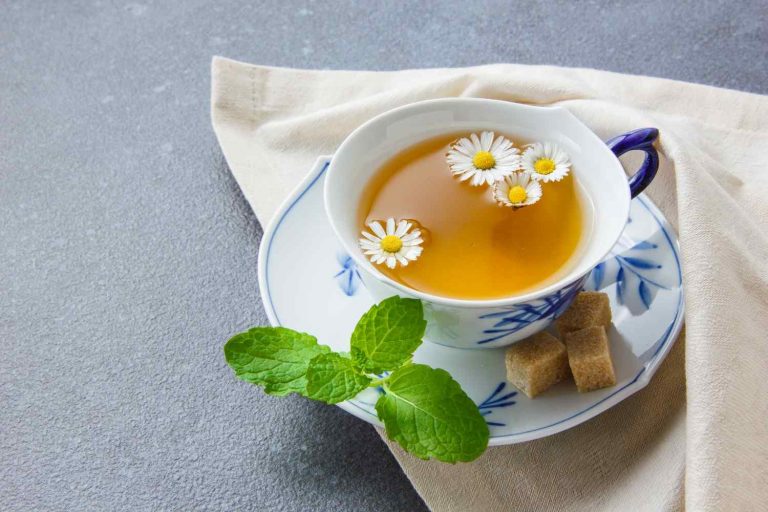
Passionflower Tea: Brewing passionflower tea is a calming ritual that can set the tone for your evening. Steep dried passionflower leaves in hot water for about 10 minutes. Enjoying this warm beverage before bedtime may help ease your mind and prepare your body for restful sleep.
-
Tinctures: For a more concentrated dose, consider taking passionflower tinctures. These liquid extracts can be added to water or taken directly under the tongue. A few drops may provide immediate calming effects, making it an excellent option for when anxiety strikes unexpectedly.
-
Capsules: If you prefer a tasteless option, passionflower capsules are available and can be easily integrated into your daily supplement routine. Follow the recommended dosage on the label to experience its benefits without the need for brewing or mixing.
-
Aromatherapy: Incorporating passionflower essential oil into your self-care routine can enhance relaxation. Use a diffuser or add a few drops to your bathwater. The soothing aroma may help alleviate stress and create a peaceful atmosphere.
-
Combination with Other Herbs: Passionflower can be combined with other calming herbs like valerian root or chamomile for an enhanced effect. These combinations can provide a synergistic calming effect, making it easier to unwind after a long day.
-
Mindfulness Practices: Pairing passionflower with mindfulness techniques, such as meditation or deep breathing exercises, can amplify its calming effects. Engaging in these practices while enjoying your passionflower tea can create a holistic approach to finding inner peace.
-
Journaling: Using passionflower as part of a nightly routine that includes journaling can be particularly effective. Write down your thoughts and feelings while sipping on passionflower tea. This practice can help clear your mind and promote relaxation before sleep.
Best Time & Dosage
For optimal effects, passionflower should be taken about 30 minutes to an hour before bedtime. This timing allows the active compounds to work effectively in promoting relaxation. The typical dosage varies based on the form of passionflower:
- Tea: 1-2 cups per day.
- Tincture: 20-30 drops, 1-3 times daily.
- Capsules: 250-500 mg, taken 1-3 times daily, depending on the concentration.
Always consult with a healthcare provider to determine the best dosage tailored to your individual needs, especially if you are taking other medications.
Safety & Precautions
-
Consult Before Use: If you are pregnant, nursing, or have existing health conditions, consult a healthcare provider before using passionflower.
Safety Note: Herbal remedies can interact with medications, so professional guidance is crucial. -
Monitor for Side Effects: While generally safe, some individuals may experience side effects like dizziness or drowsiness.
Safety Note: If you notice adverse reactions, discontinue use and consult a healthcare professional. -
Avoid Alcohol: Combining passionflower with alcohol can amplify sedative effects, leading to increased drowsiness.
Safety Note: Avoid consuming alcohol while using passionflower products. -
Not for Long-term Use: Using passionflower for extended periods may lead to dependency or reduced effectiveness.
Safety Note: Limit use to short-term periods unless advised otherwise by a healthcare provider. -
Check for Allergies: Individuals with allergies to other plants in the Passifloraceae family should exercise caution.
Safety Note: Always perform a patch test or consult a healthcare provider if unsure about allergies.
5 Common Myths vs. Facts
-
Myth: Passionflower is only for sleep.
Fact: While it’s effective for sleep, it also helps reduce anxiety and stress. -
Myth: Passionflower has no side effects.
Fact: Some may experience drowsiness or dizziness, especially when combined with other sedatives. -
Myth: All herbal remedies are safe.
Fact: Herbal supplements can interact with medications and are not always safe for everyone. -
Myth: Passionflower is addictive.
Fact: It is not known to cause dependency when used as directed. -
Myth: You can take any amount of passionflower.
Fact: Dosage matters; it’s important to follow recommendations for safety and effectiveness.
The Final Verdict
Incorporating passionflower into your daily routine can be a gentle yet effective way to cultivate inner peace. Its natural calming properties offer an alternative to pharmaceuticals, promoting relaxation and reducing anxiety without unwanted side effects. By understanding how to use passionflower effectively, you can pave the way for a more peaceful mind and a restful night’s sleep. Embrace the serenity it can bring into your life.
Get Your FREE Natural Health Guide!
Subscribe now and receive our exclusive ebook packed with natural health tips, practical wellness advice, and easy lifestyle changes, delivered straight to your inbox.