
Contents
In Brief
- Safety: Generally safe for dental use when used appropriately.
- Effectiveness: Can effectively reduce plaque and whiten teeth.
- Key Benefit: Offers a cost-effective alternative to commercial dental products.
You may have noticed a stubborn layer of film on your teeth despite regular brushing. This film, known as dental plaque, is a sticky substance that can lead to cavities and gum disease if not managed properly. What if there was a simple household item that could help? Baking soda, a common pantry ingredient, has been shown to tackle dental plaque effectively.
Studies indicate that baking soda, or sodium bicarbonate, can neutralize acids in the mouth, thereby reducing plaque buildup. Its mild abrasive properties allow it to scrub away stains and debris without damaging tooth enamel. This makes it a viable option for maintaining oral hygiene.
Incorporating baking soda into your dental care routine could be a game-changer. With its affordability and accessibility, it’s worth considering as part of your strategy for keeping your teeth and gums healthy.
Let’s delve deeper into how baking soda works, the evidence behind its effectiveness, and practical ways to use it for optimal oral health.
What the Research Says
Baking soda has been studied for its various benefits in oral health. Research shows that its alkaline nature helps neutralize the acids produced by plaque-forming bacteria. This action not only reduces plaque but also helps to prevent tooth decay and gum disease.
A study published in the Journal of Clinical Dentistry noted that individuals who used baking soda toothpaste exhibited significantly lower plaque levels compared to those who used regular toothpaste. Another review highlighted the antibacterial properties of baking soda, which further supports its role in maintaining oral hygiene.
| Baking Soda | Commercial Toothpaste |
|---|---|
| Neutralizes acids, reducing plaque buildup | Typically contains fluoride and other agents to combat decay |
| Mildly abrasive, helps remove stains | May contain harsher abrasives that can wear down enamel |
| Cost-effective and widely available | Can be significantly more expensive |
These findings underscore the potential of baking soda as a powerful ally in the fight against dental plaque.
Effective Ways to Use This
-
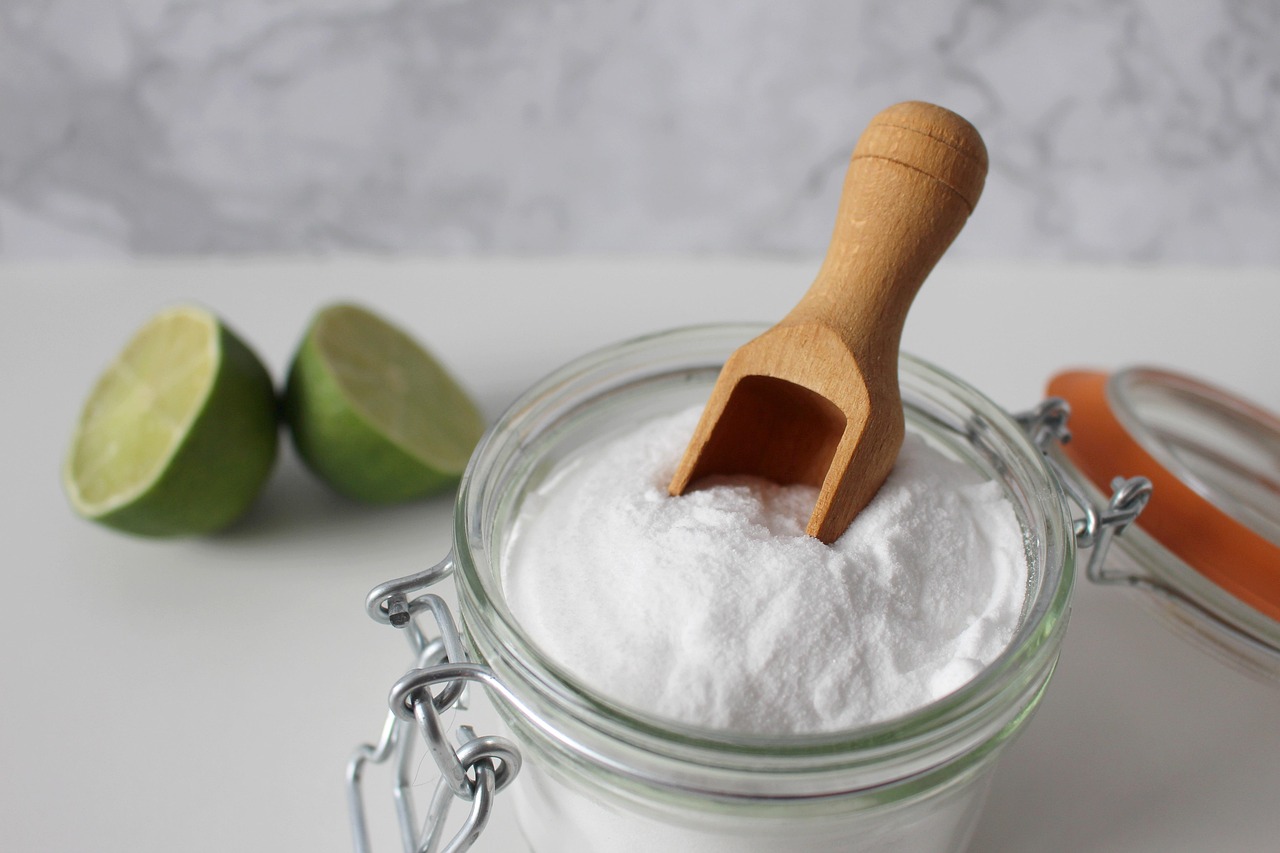
Baking Soda Toothpaste: Create a paste by mixing baking soda with a small amount of water. Use this paste as a toothpaste alternative a few times a week. This method can help effectively reduce plaque and whiten teeth.
-
Baking Soda Rinse: Dissolve a teaspoon of baking soda in a glass of water. Use this solution as a mouth rinse after brushing to neutralize acids and freshen breath. This rinse can also help in combating plaque buildup.
-
Baking Soda and Hydrogen Peroxide: Combine baking soda with hydrogen peroxide to create a potent paste. This mixture not only tackles plaque but also has antibacterial properties. Use it sparingly to avoid enamel wear.
-
Baking Soda with Essential Oils: For added flavor and antibacterial benefits, mix baking soda with a few drops of essential oils like peppermint or tea tree oil. This can enhance your brushing experience while providing additional oral health benefits.
-
Baking Soda in Your Diet: Incorporating baking soda in your diet, such as in baking or cooking, can help maintain an alkaline environment in your body, which is beneficial for oral health. However, moderation is key.
-
Baking Soda and Coconut Oil: Create a paste using baking soda and coconut oil. This mixture not only helps in plaque removal but also provides antibacterial benefits. Use it as a natural toothpaste alternative.
-
Regular Dental Check-ups: While baking soda can aid in plaque reduction, regular dental visits are essential. Discuss with your dentist how to incorporate baking soda into your oral care routine safely.
Best Time & Dosage
The optimal time to use baking soda for dental care is typically during your regular brushing routine. Using baking soda toothpaste or rinse once or twice a week is generally recommended to prevent excessive abrasion to enamel. If you opt for a baking soda paste, a pea-sized amount is sufficient for effective cleaning.
For rinses, using the baking soda solution after meals can help neutralize acids and prevent plaque formation. It’s essential to listen to your mouth’s response and adjust frequency based on sensitivity or any discomfort.
Safety & Precautions
-
Consult Your Dentist: Before starting any new oral hygiene practice, consult your dentist to ensure it fits your individual needs.
Safety Note: Your dentist can provide personalized advice based on your dental health. -
Limit Usage Frequency: Avoid using baking soda daily to prevent enamel erosion.
Safety Note: Overuse can lead to increased tooth sensitivity or damage to enamel. -
Monitor for Sensitivity: Pay attention to any discomfort or sensitivity when using baking soda.
Safety Note: If you experience pain, discontinue use and consult a dentist. -
Avoid Mixing with Acidic Products: Do not mix baking soda with acidic substances like lemon juice for dental use.
Safety Note: This can create an abrasive compound that may harm enamel. -
Keep Out of Reach of Children: Store baking soda safely away from children to prevent accidental ingestion.
Safety Note: While generally safe, ingestion in large amounts can lead to health issues.
5 Common Myths vs. Facts
-
Myth: Baking soda can replace toothpaste entirely.
- Fact: While effective, it should complement regular toothpaste and not replace it.
-
Myth: Baking soda is too abrasive for teeth.
- Fact: When used correctly, it’s mildly abrasive and safe for occasional use.
-
Myth: Baking soda whitens teeth instantly.
- Fact: It can help remove stains over time but does not provide instant results.
-
Myth: All toothpaste with baking soda works the same.
- Fact: Formulations vary, and some may contain additional beneficial ingredients.
-
Myth: Baking soda cures gum disease.
- Fact: It can help reduce plaque but is not a substitute for professional dental care.
The Final Verdict
Baking soda stands out as an effective, affordable option for tackling dental plaque. Its ability to neutralize acids, combined with its mild abrasiveness, makes it a valuable addition to your oral hygiene routine. As with any health practice, moderation and professional guidance are key. Embracing baking soda could lead to a healthier smile and improved dental health.
Get Your FREE Natural Health Guide!
Subscribe now and receive our exclusive ebook packed with natural health tips, practical wellness advice, and easy lifestyle changes, delivered straight to your inbox.