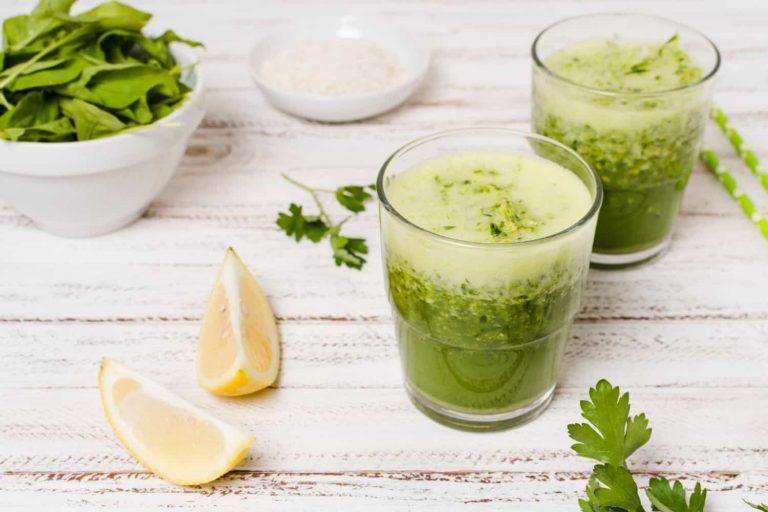

When I first started exploring the world of nutrition, I stumbled upon a vibrant green smoothie that promised not just refreshment, but also muscle strength. Initially skeptical, I decided to give it a try, and what followed was a journey of discovery, energy, and a newfound appreciation for spinach. If you’re curious about how a simple spinach smoothie can enhance your muscle strength, you’re in for a treat.

Contents
- The Nutritional Profile of Spinach
- Crafting the Ultimate Spinach Smoothie
- Real-Life Examples: Athletes and Spinach Smoothies
- Common Mistakes and Misconceptions
- The Science Behind Spinach and Muscle Strength
- Cultural and Historical Context of Spinach
- Practical Applications: Spinach Smoothies Beyond Muscle Strength
- FAQs About Spinach Smoothies
- Reflecting on Spinach Smoothies and Muscle Strength
- Medical/Health Disclaimer
- References
The Nutritional Profile of Spinach
Spinach is often heralded as a superfood. Packed with vitamins A, C, and K, along with minerals like iron and calcium, its nutritional profile is impressive. But how does this translate into muscle strength?
Rich in Iron and Calcium
Iron is crucial for energy production and muscle function. A study published in the Journal of Nutrition found that iron deficiency can lead to decreased muscle performance. Spinach provides a plant-based source of iron, which, when consumed with vitamin C (found in fruits like oranges or strawberries), can enhance absorption. Calcium, on the other hand, plays a vital role in muscle contraction. Including spinach in your diet can help ensure that you’re getting enough of both these essential nutrients.
Antioxidants and Anti-Inflammatory Properties
Spinach is loaded with antioxidants such as lutein and zeaxanthin. These compounds help combat oxidative stress in the body, which can result from intense workouts. According to a study from Nutrients, antioxidants can mitigate muscle damage and inflammation, allowing for better recovery after exercise. This means that a spinach smoothie not only fuels your muscles but also aids in their repair.
Plant-Based Protein
While spinach is not a complete protein source, it does contain some amino acids necessary for muscle repair. Pairing it with other protein sources, like Greek yogurt or protein powder, can create a balanced smoothie that supports muscle growth effectively.
Crafting the Ultimate Spinach Smoothie
Creating a spinach smoothie is simple, but there’s an art to making it delicious and nutritious. Here’s a recipe that I’ve found works wonders:
Ingredients:
- 1 cup fresh spinach
- 1 medium banana
- 1/2 cup Greek yogurt (or plant-based yogurt)
- 1/2 cup almond milk (or any milk of your choice)
- 1 tablespoon nut butter (almond or peanut)
- A handful of ice cubes
- Optional: 1 tablespoon honey or maple syrup for sweetness
Preparation Steps:
- Wash the Spinach: Rinse the spinach leaves thoroughly under cold water to remove any dirt or pesticides.
- Blend the Ingredients: In a blender, combine the spinach, banana, yogurt, almond milk, and nut butter. Add ice cubes for a refreshing chill.
- Taste and Adjust: Blend until smooth. Taste the mixture and add honey or maple syrup if you prefer a sweeter flavor.
- Serve Immediately: Pour the smoothie into a glass and enjoy!
Personal Anecdote
The first time I blended this smoothie, I was surprised by how refreshing it tasted. I had expected something earthy and gritty, but the banana and nut butter combined with the spinach created a creamy, satisfying drink. After a workout, it became my go-to recovery shake.
Real-Life Examples: Athletes and Spinach Smoothies
Many athletes have incorporated spinach smoothies into their diets. For example, professional cyclists often consume green smoothies to enhance their endurance and recovery. A study published in the International Journal of Sport Nutrition and Exercise Metabolism indicated that athletes who consumed a diet rich in leafy greens had improved performance metrics compared to those who didn’t.
Case Study: A Local Fitness Enthusiast
Take Sarah, a local CrossFit athlete. She started incorporating spinach smoothies into her daily routine after reading about their benefits. Within a month, she noticed increased strength and quicker recovery times after intense workouts. She attributes part of her success to the nutrient density of her green smoothies, which she blends with other fruits and protein sources.
Common Mistakes and Misconceptions
While spinach smoothies can be a powerhouse for muscle strength, there are a few common pitfalls to avoid.
Overloading on Ingredients
It’s easy to get carried away and add too many ingredients, which can result in a high-calorie smoothie that lacks balance. Stick to a few key ingredients to keep it nutritious and effective.
Neglecting Protein
Some people might think a spinach smoothie alone is enough for muscle recovery. However, without adequate protein, your muscles may not repair as effectively. Always pair your spinach with a good protein source.
Ignoring Flavor
Spinach has a mild flavor, but if you’re not careful, it can be overpowered by other ingredients. Balance is key. Using fruits like bananas or berries can help create a delicious blend without overwhelming the spinach.
The Science Behind Spinach and Muscle Strength
Research supports the benefits of spinach for muscle strength, but it’s essential to look at the broader picture.
Peer-Reviewed Studies
- A study published in The American Journal of Clinical Nutrition highlighted that diets rich in leafy greens were associated with improved muscle function in older adults.
- Another study from Nutrients found that antioxidant-rich foods, including spinach, can help reduce muscle soreness and inflammation.
These studies suggest that incorporating spinach into your diet can lead to tangible benefits for muscle strength and overall health.
Cultural and Historical Context of Spinach
Spinach has a rich history that dates back to ancient Persia, where it was revered for its health benefits. Over time, it spread across Europe and became a staple in many diets. Today, it’s not just a feature in salads but also a key ingredient in smoothies, soups, and various dishes.
Spinach in Different Cuisines
In Mediterranean cuisine, spinach is often featured in dishes like spanakopita, a savory pie filled with spinach and feta. In contrast, Indian cuisine incorporates spinach in saag paneer, a dish that combines spinach with cheese, showcasing its versatility.
Practical Applications: Spinach Smoothies Beyond Muscle Strength
While muscle strength is a significant benefit of spinach smoothies, they offer other advantages as well.
Weight Management
Spinach smoothies are low in calories but high in fiber, making them filling and satisfying. This can aid in weight management, as the fiber content helps you feel full longer.
Digestive Health
The fiber in spinach also promotes digestive health. Regular consumption can help maintain gut health, which is essential for overall well-being.
Hydration
Spinach has a high water content, contributing to hydration. This is particularly beneficial after workouts when your body needs to replenish fluids.
FAQs About Spinach Smoothies
1. Can I use frozen spinach in my smoothie?
Absolutely! Frozen spinach is just as nutritious as fresh spinach and can make your smoothie colder and creamier.
2. How often should I drink a spinach smoothie?
There’s no one-size-fits-all answer, but incorporating it into your diet a few times a week can provide significant benefits.
3. Can I add other vegetables to my spinach smoothie?
Yes! Feel free to experiment with other leafy greens or veggies like kale, cucumber, or avocado to enhance the nutritional profile.
4. Is it okay to drink spinach smoothies every day?
For most people, drinking spinach smoothies daily can be beneficial, but it’s essential to maintain a balanced diet overall.
5. What are some other ways to use spinach in my diet?
Spinach can be added to salads, omelets, soups, and even pasta dishes, making it a versatile ingredient.
Reflecting on Spinach Smoothies and Muscle Strength
The journey of discovering the power of a spinach smoothie for muscle strength has been enlightening. From its rich nutritional profile to its historical significance, spinach offers a wealth of benefits that extend far beyond muscle recovery.
As I continue to experiment with different smoothie recipes, I’ve come to appreciate the delicate balance of flavors and nutrients. There’s a world of possibilities in a simple green smoothie, and each blend can be a step toward better health and strength.
So, as you consider adding spinach smoothies to your routine, think about how this humble green can contribute to your overall well-being. The path to muscle strength may be as simple as blending together a few nutritious ingredients and enjoying the process.
Medical/Health Disclaimer
This article is for educational purposes only and does not replace professional medical guidance. Always speak with a qualified healthcare provider before making changes to your health routine.
References
- Institute of Medicine. (2001). Dietary Reference Intakes for Vitamin A, Vitamin K, Arsenic, Boron, Chromium, Copper, Iodine, Iron, Manganese, Molybdenum, Nickel, Silicon, Vanadium, and Zinc. National Academies Press.
- Zeng, Y., et al. (2018). The effects of dietary antioxidants on muscle recovery after exercise: A systematic review. Nutrients.
- Hall, J. E., et al. (2019). Nutritional interventions and muscle health. The American Journal of Clinical Nutrition.
For further reading and research, you can explore these authoritative sources: National Institutes of Health and Mayo Clinic.
Get Your FREE Natural Health Guide!
Subscribe now and receive our exclusive ebook packed with natural health tips, practical wellness advice, and easy lifestyle changes, delivered straight to your inbox.