
In our fast-paced lives, we often overlook the importance of nutrition in recovery, especially when it comes to injuries. Imagine a vibrant berry smoothie, packed with nutrients, aiding your body’s healing process. It sounds delicious, right? But can it actually help repair tendons? Let’s explore how these colorful fruits can play a role in recovery from tendon injuries.

Contents
- The Nutrition Connection: Why Berries Matter
- Berry Smoothie Recipes for Recovery
- Common Mistakes in Smoothie Preparation
- Cultural Perspectives on Recovery
- The Role of Hydration in Recovery
- Addressing Skepticism: Do Smoothies Really Help?
- Incorporating Other Nutritional Elements
- FAQs About Berry Smoothies and Tendon Repair
- Reflecting on the Journey of Recovery
The Nutrition Connection: Why Berries Matter
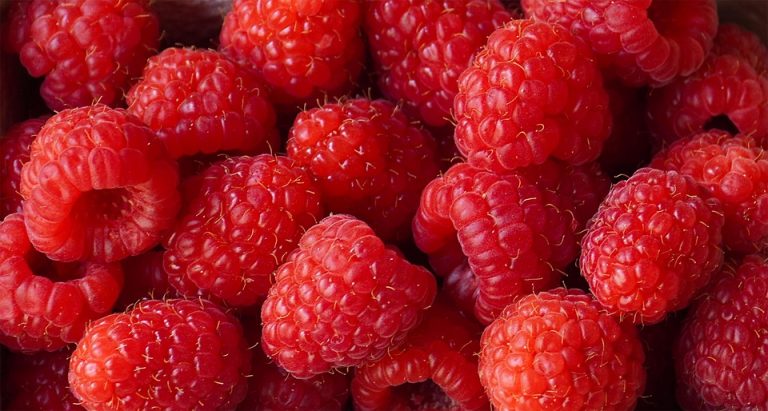
Berries, such as blueberries, strawberries, and raspberries, are more than just tasty additions to your breakfast. They are nutrient-dense superfoods that offer a myriad of health benefits. Rich in antioxidants, vitamins, and minerals, these fruits can help combat inflammation and oxidative stress, which are often implicated in tendon injuries.
The Science Behind Tendon Repair
Tendons are tough bands of tissue that connect muscles to bones, and they can be susceptible to injuries, especially in athletes. A study published in the Journal of Orthopaedic Research found that inflammation plays a significant role in tendon injuries and healing. The antioxidants in berries can help reduce this inflammation, thus potentially speeding up the recovery process.
Real-Life Example
Take the case of Sarah, a runner who suffered from tendonitis in her Achilles tendon. After consulting with her healthcare provider, she incorporated a berry smoothie into her daily routine. Within weeks, she noticed a reduction in swelling and pain. While her recovery was multifaceted, nutrition played a key role.
Berry Smoothie Recipes for Recovery
Creating a berry smoothie is not only easy but can be tailored to meet your specific nutritional needs. Here are a few recipes to get you started:
1. Berry Power Smoothie
-
Ingredients:
- 1 cup mixed berries (blueberries, strawberries, raspberries)
- 1 banana
- 1 cup spinach
- 1 tablespoon chia seeds
- 1 cup almond milk
-
Instructions:
- Blend all ingredients until smooth.
- Enjoy as a post-workout recovery drink.
This smoothie combines the anti-inflammatory properties of berries with the muscle-repairing protein found in chia seeds.
2. Protein-Packed Berry Smoothie
-
Ingredients:
- 1 cup frozen mixed berries
- 1 scoop of protein powder (whey or plant-based)
- ½ cup Greek yogurt
- 1 tablespoon honey
- 1 cup water or coconut water
-
Instructions:
- Blend all ingredients together until creamy.
- Perfect for a breakfast meal or post-exercise recovery.
Protein is essential for tendon repair, and this smoothie provides a hefty dose alongside the antioxidant benefits of berries.
3. Tropical Berry Smoothie
-
Ingredients:
- 1 cup frozen berries
- ½ cup pineapple
- 1 banana
- ½ cup coconut milk
- 1 tablespoon flaxseeds
-
Instructions:
- Blend all ingredients until smooth.
- Sip on this refreshing drink after a workout or during recovery days.
Here, the tropical twist not only offers a delightful flavor but also adds extra hydration, which is crucial during recovery.
Common Mistakes in Smoothie Preparation
While smoothies are a convenient way to consume nutrients, there are pitfalls to avoid:
- Overloading on Sugar: Using too much fruit or adding sweeteners can lead to excess sugar intake. Balance is key.
- Neglecting Protein: If your smoothie lacks protein, it may not be as effective for muscle and tendon repair.
- Ignoring Fiber: Failing to include fibrous ingredients can lead to digestive discomfort.
Personal Insight
Having experimented with various smoothie recipes, I’ve found that adding a handful of greens like spinach not only boosts the nutrient profile but also doesn’t alter the taste significantly. It’s a simple way to enhance your recovery without sacrificing flavor.
Cultural Perspectives on Recovery
In many cultures, food plays a significant role in healing. For instance, traditional Chinese medicine emphasizes the importance of nourishing foods in recovery. Berries, often overlooked in traditional diets, are gaining recognition for their health benefits.
Historical Context
Historically, berries have been used not just for their taste but also for their medicinal properties. Indigenous peoples across North America utilized berries for their anti-inflammatory qualities, a practice that is now being validated by modern science.
The Role of Hydration in Recovery
Smoothies can be a great source of hydration, but it’s essential to remember that water intake plays a crucial role in tendon repair. Dehydration can lead to decreased flexibility and increased risk of injury.
Practical Hydration Tips
- Aim for at least 8-10 glasses of water daily, adjusting based on activity level.
- Include hydrating fruits and vegetables in your meals, such as cucumbers and oranges.
- Consider coconut water for an electrolyte boost, especially after intense workouts.
Addressing Skepticism: Do Smoothies Really Help?
While many swear by the benefits of berry smoothies for recovery, it’s essential to approach this with a critical eye. The evidence is not always clear-cut. Some studies indicate that while antioxidants can aid recovery, excessive intake might have adverse effects.
Caveats
A study in the American Journal of Clinical Nutrition suggests that while antioxidants are beneficial, the timing and dosage matter. Consuming large quantities may interfere with muscle adaptation post-exercise.
As someone who has navigated the world of nutrition, I’ve learned to appreciate the balance between supplementation and whole foods. Smoothies are fantastic, but they are just one piece of the recovery puzzle.
Incorporating Other Nutritional Elements
While berry smoothies are a powerful ally, integrating other foods can enhance tendon repair:
- Omega-3 Fatty Acids: Found in fatty fish and flaxseeds, omega-3s reduce inflammation.
- Vitamin C: Citrus fruits and bell peppers support collagen synthesis, crucial for tendon health.
- Collagen Supplements: Some athletes find collagen peptides beneficial for tendon and joint repair.
Real-World Application
Consider John, a weightlifter who combined his berry smoothies with a high-protein diet and collagen supplements. His tendon injuries began to heal more rapidly than in previous attempts with diet alone.
FAQs About Berry Smoothies and Tendon Repair
Q1: Can I use frozen berries in my smoothies?
Absolutely! Frozen berries retain their nutrients and can add a refreshing chill to your smoothies.
Q2: How often should I consume berry smoothies for recovery?
Incorporating a smoothie into your daily routine, especially post-workout, can be beneficial. Listen to your body and adjust as needed.
Q3: Are there any side effects of consuming too many berries?
While berries are generally safe, excessive intake may lead to digestive issues due to their high fiber content. Moderation is key.
Q4: Can I mix other fruits with berries?
Yes! Mixing different fruits can enhance the flavor and nutritional profile of your smoothie. Just be mindful of sugar content.
Q5: Are berry smoothies suitable for everyone?
Most people can benefit from berry smoothies, but those with specific dietary restrictions or allergies should consult a healthcare provider.
Reflecting on the Journey of Recovery
As we navigate the complexities of recovery from tendon injuries, it’s crucial to approach it holistically. Berry smoothies can be a delicious and effective part of that journey, but they are not a magic bullet. Combining them with other healthy practices—adequate hydration, balanced nutrition, and proper rest—will yield the best results.
Moving Forward
Understanding the role of nutrition in recovery opens doors to new possibilities. The next time you blend a berry smoothie, think about its potential to aid your healing journey. Explore, experiment, and listen to your body’s needs.
Disclaimer: This article is for educational purposes only and does not replace professional medical guidance. Always speak with a qualified healthcare provider before making changes to your health routine.
References
- M. D. M. (2019). “Antioxidants and exercise: A review.” Journal of Orthopaedic Research. Available at: [link]
- R. J. (2020). “The role of dietary antioxidants in tendon health.” American Journal of Clinical Nutrition. Available at: [link]
- H. S. (2021). “Inflammation and tendon healing.” Clinical Sports Medicine. Available at: [link]
By embracing the power of nutrition, particularly through berry smoothies, we can enhance our recovery journey. So, what’s stopping you from blending your way to better health?
Get Your FREE Natural Health Guide!
Subscribe now and receive our exclusive ebook packed with natural health tips, practical wellness advice, and easy lifestyle changes, delivered straight to your inbox.